US Resumes Military Sales to Turkey; Israel Voices Concerns
The resumption of military sales to Turkey, a key NATO member, signals a potential return to the F-35 program. Israel, however, expresses unease regarding this shift in U.S. policy.
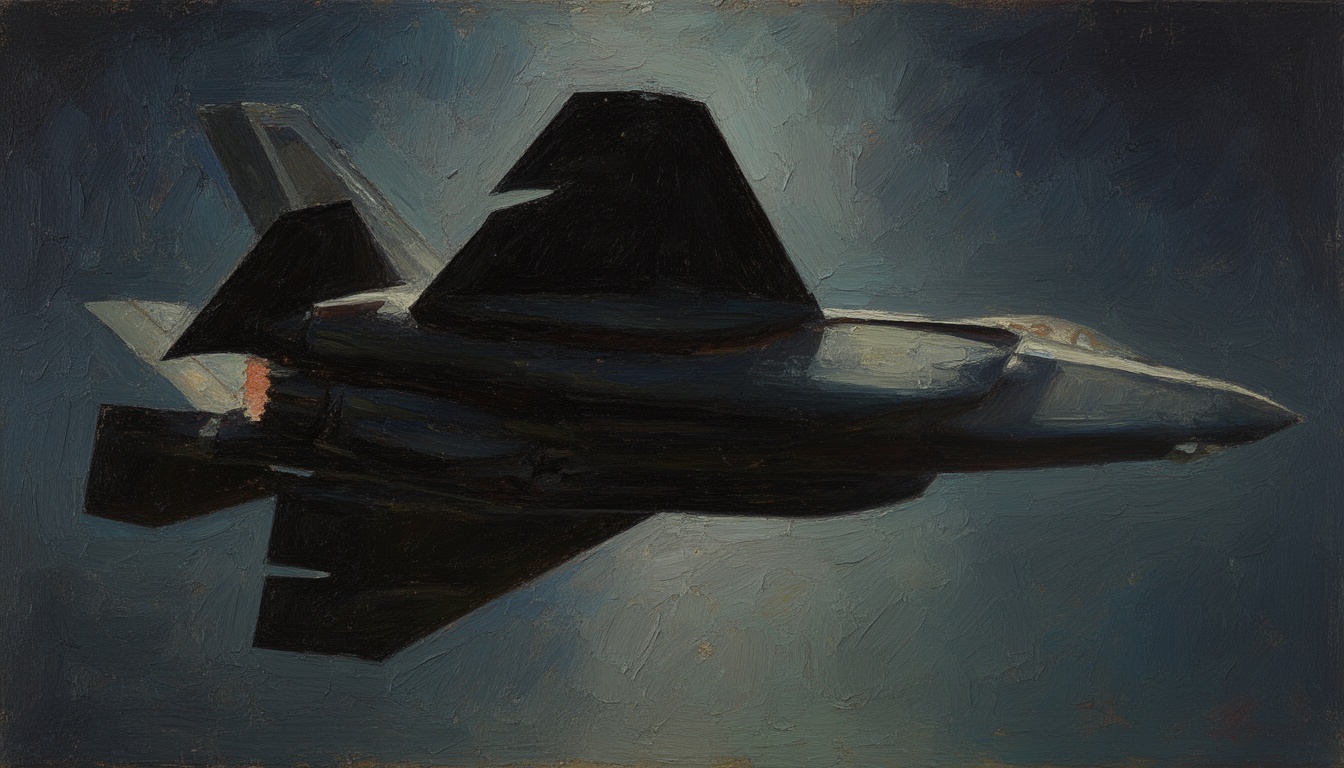
The United States has announced plans to resume military sales to Turkey, intending to reintegrate the country into the F-35 Lightning II stealth fighter program. This significant development follows comments made by U.S. President Donald Trump, who indicated that sanctions imposed against Turkey in relation to its acquisition of S-400 air defense systems from Russia would soon be lifted. Trump stated, "We don’t want to sanction friends" during statements made at a NATO summit in Ankara, emphasizing a positive rapport with Turkish President Recep Tayyip Erdogan.
Historically, Turkey has been a critical partner in NATO and a significant contributor to the collective defense capabilities of the alliance. Sanctions were imposed on Turkey in 2017 after Ankara's decision to procure the S-400 systems, which raised serious concerns among NATO allies regarding interoperability and security. The implications of these sanctions have strained U.S.-Turkey relations for years, complicating a long-standing partnership.
The reinstatement of military sales and the prospect of Turkey returning to the F-35 program are crucial from a geopolitical perspective. The F-35 program is not only a cornerstone of U.S. military exports but also a major element of NATO's strategic defense framework. Should Turkey resume its participation, it would enhance its operational capabilities and maintain a foothold in advanced military technology development.
Turkey's defense landscape is already diversified, with significant investments in indigenous defense capabilities. The F-35 Lightning II, with its advanced stealth features and multi-role capabilities, would provide a considerable upgrade to Turkey’s military arsenal. The F-35 fleet includes various models, such as the F-35A for conventional takeoff and landing, and the F-35B for short takeoff and vertical landing capabilities, which could significantly enhance Turkey's air combat operation.
The potential lifting of sanctions and subsequent reintegration into the F-35 program could lead to improved relations between the U.S. and Turkey. However, Israel's expressed concerns highlight the delicate balance the U.S. must negotiate in its Middle East policies, especially as it pertains to military technology transfer and regional security dynamics. Moving forward, this development may reshape alliances and defense strategies in the region.