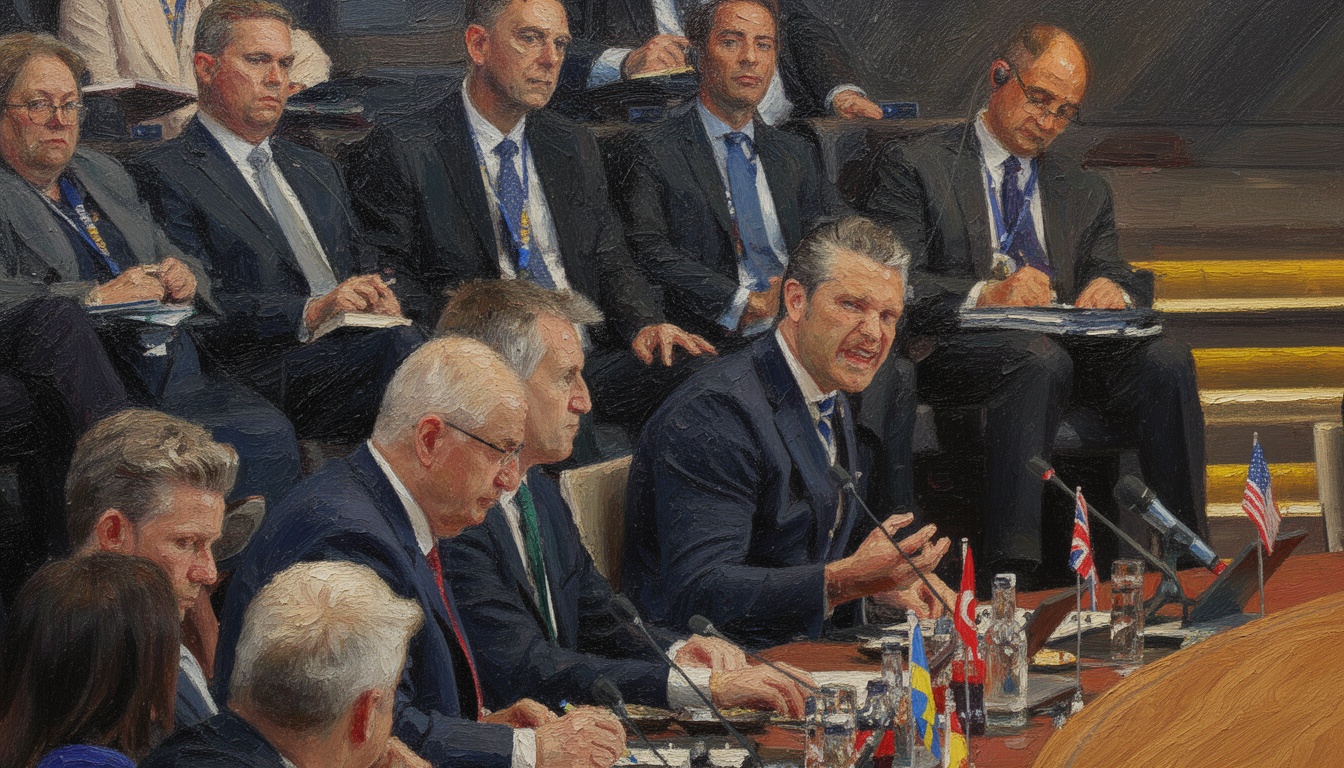
US Reviews NATO Commitment Amidst Criticism from Hegseth
The US Secretary of Defense's remarks signal a reevaluation of military commitments in Europe. This development could shift NATO's defensive posture as the alliance navigates growing global security challenges.
The US Secretary of Defense, in recent statements, announced a potential review of military presence in Europe as part of a broader reassessment of NATO commitments. This announcement follows a previous decision to scale back the US contributions to NATO's high readiness force, which has raised concerns among European allies regarding collective security.
The context of this development is framed by a shifting global security landscape, where NATO member states are increasingly pressured to enhance their military readiness amid persistent threats. Criticism from figures such as Pete Hegseth reflects concerns about the US's strategic reliability in commitments abroad, which could undermine NATO's unified stance against adversarial actions.
Strategically, revisiting the US military presence in Europe could alter the balance of power within NATO. Many European nations rely on US leadership and military capabilities to deter aggression from state and non-state actors. Any reduction in US military forces may embolden adversaries and challenge the alliance's cohesion.
The US has traditionally played a pivotal role in NATO's collective defense strategy, providing substantial resources and personnel. Specifically, the US maintains approximately 60,000 troops in various NATO deployments across Europe, including bases in Germany, Italy, and the UK. Adjustments to force levels could affect ongoing operations and overall deterrence efforts against potential aggressors.
Moving forward, the implications of the US's reassessment could lead to a strategic pivot where European allies are compelled to increase their defense spending and contributions to NATO. This recalibration may also foster discussions about enhancing EU defense capabilities independent of US support, reshaping transatlantic security dynamics.