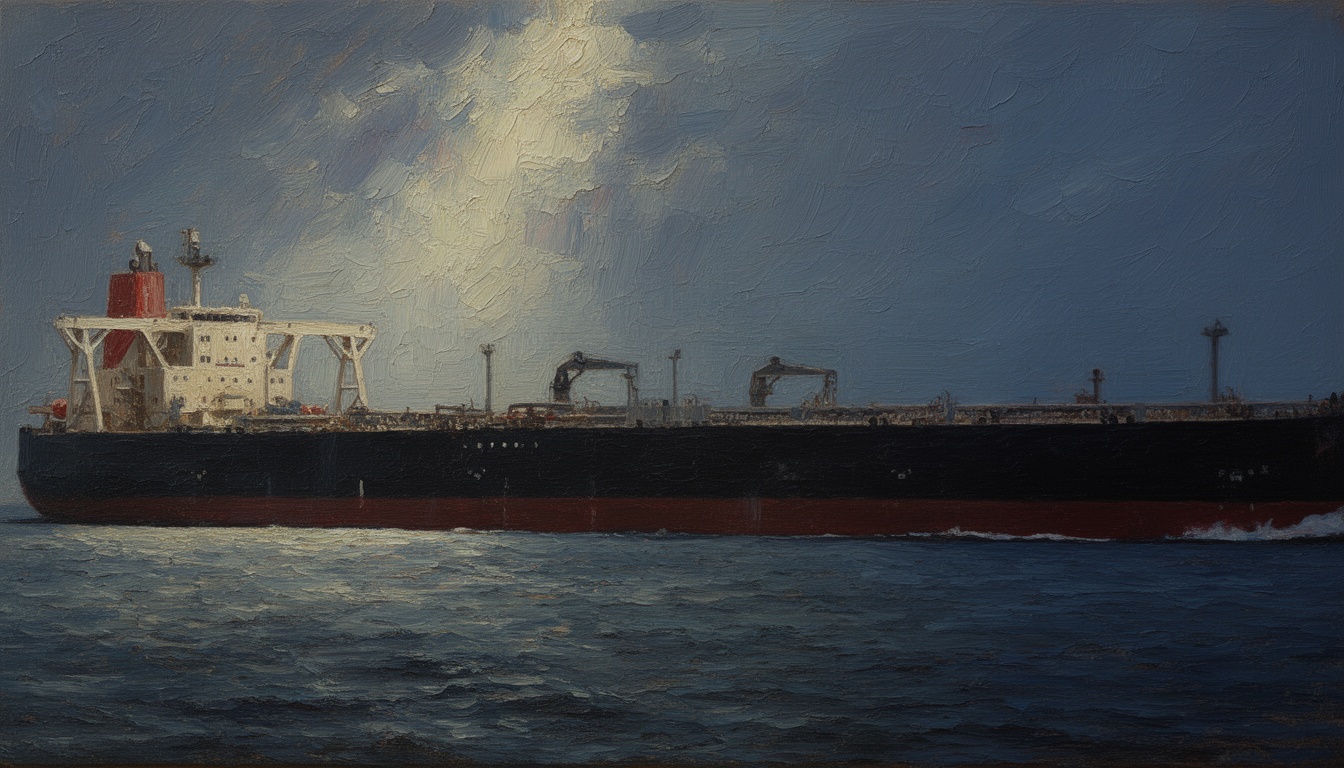
US Sanctions Chinese Shipping Firms for Iranian Oil Deliveries
US sanctions target eight Chinese and Hong Kong firms involved in Iranian oil trade. This move underscores Washington's broader economic campaign against Iran amid ongoing tensions.
On Wednesday, the United States imposed sanctions on a group of shipping companies based in mainland China and Hong Kong, accused of facilitating the transport of Iranian oil to China. This action expands Washington's economic campaign against Tehran, which is coupled with a naval blockade aiming to restrict Iranian oil exports.
The US State Department has officially designated eight companies for engaging in operations involving vessels that are responsible for delivering Iranian crude oil and petrochemical products to China and the United Arab Emirates. This is part of Iran's sanctions-evasion strategy, commonly referred to as a 'shadow fleet.'
This development holds strategic significance as it emphasizes the United States' commitment to countering Iran's oil exports, a critical revenue source for the Iranian regime. By targeting these companies, Washington seeks to disrupt the supply chain that supports Iran's economy while increasing pressure on Tehran.
Among the sanctioned entities, six of them are specifically listed, though the full details around the operational capabilities and fleet size have not been extensively detailed. The sanctions not only affect the companies involved but also signal a harsher US stance regarding compliance with Iranian sanctions, which may further challenge the operational landscape for other international shipping firms.
The likely consequences of this escalation include a potential increase in maritime tensions in the region, especially as Iran may attempt to retaliate against such economic sanctions. Additionally, shipping companies may face heightened scrutiny at ports globally, impacting their operational choices regarding engagements with Iran and potentially disrupting regional oil trade dynamics.