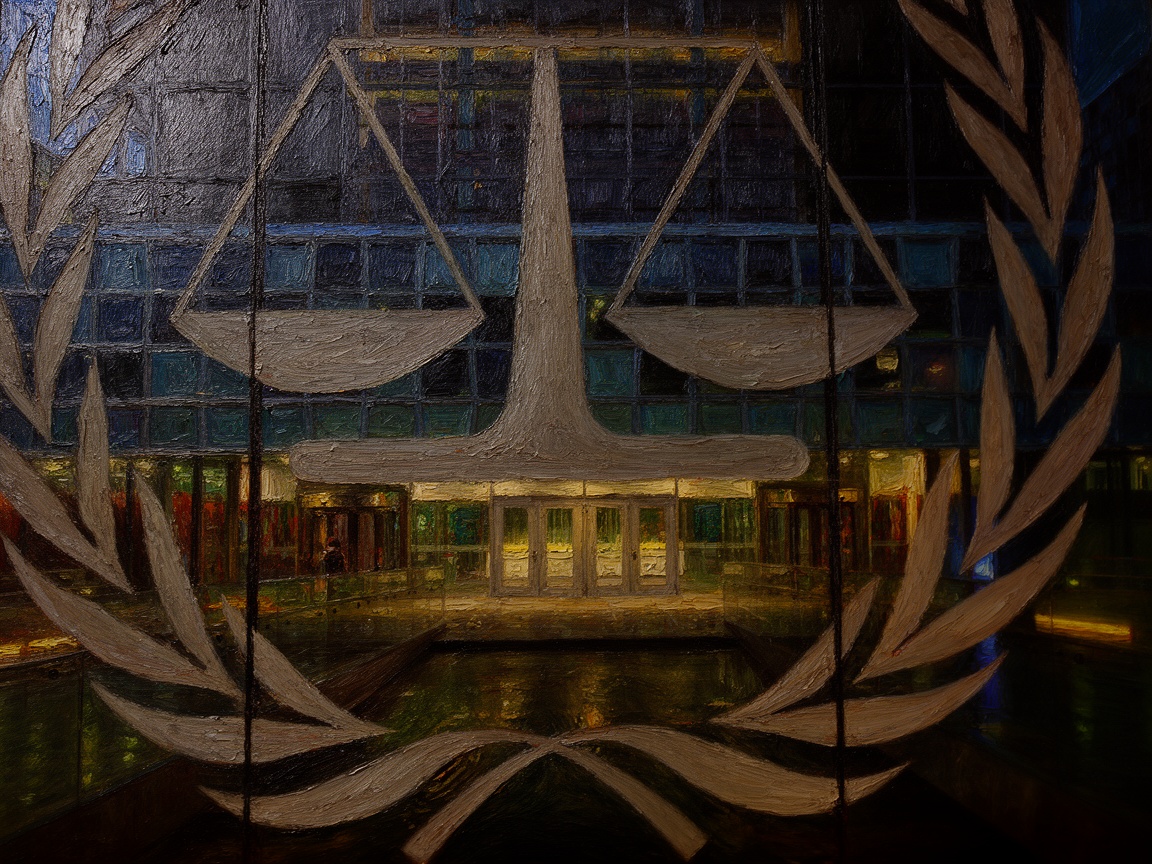
U.S. Sanctions Target ICC Judges Over Alleged War Crimes
The U.S. sanctions against ICC judges are significant as they attempt to undermine international legal proceedings concerning alleged war crimes. This action signals rising tensions between the U.S. and the ICC regarding accountability for war atrocities.
The United States has imposed sanctions on judges of the International Criminal Court (ICC), specifically targeting those involved in cases related to alleged war crimes committed by U.S. and Israeli forces. The sanctions, described as unlawful by the judges, aim to penalize the ICC for its efforts to hold individuals accountable under international law. This development may have substantial repercussions for the ICC's authority and its ability to operate independently.
Background context indicates that these sanctions have been met with criticism from various international legal experts who view them as a direct interference in the court's jurisdiction. The ICC has been investigating accusations against U.S. military personnel for actions in Afghanistan and Israeli defense forces for operations in Palestinian territories. The judges argue that this move represents not only coercion but also a broader campaign against the pursuit of justice.
Strategically, these actions by the U.S. may hinder accountability for serious human rights violations globally. The ICC is an essential body for the prosecution of war crimes and crimes against humanity, and undermining its judges could embolden perpetrators of such offenses, particularly in conflict zones where international oversight is critical.
The sanctions specifically target individuals, including ICC President Piotr Hofmański and Vice-President Chile Eboe-Osuji, who have been instrumental in advancing cases aimed at addressing allegations against the U.S. and Israel. The legal basis for these sanctions remains contested, raising questions about the future interrelations between the U.S. and international judicial bodies.
Looking ahead, this escalation could lead to diplomatic rifts and may force other nations to choose between allegiance to the U.S. or supporting international law through institutions like the ICC. The long-term implications of this development could alter the landscape of global justice and cooperation in combatting impunity for war crimes.