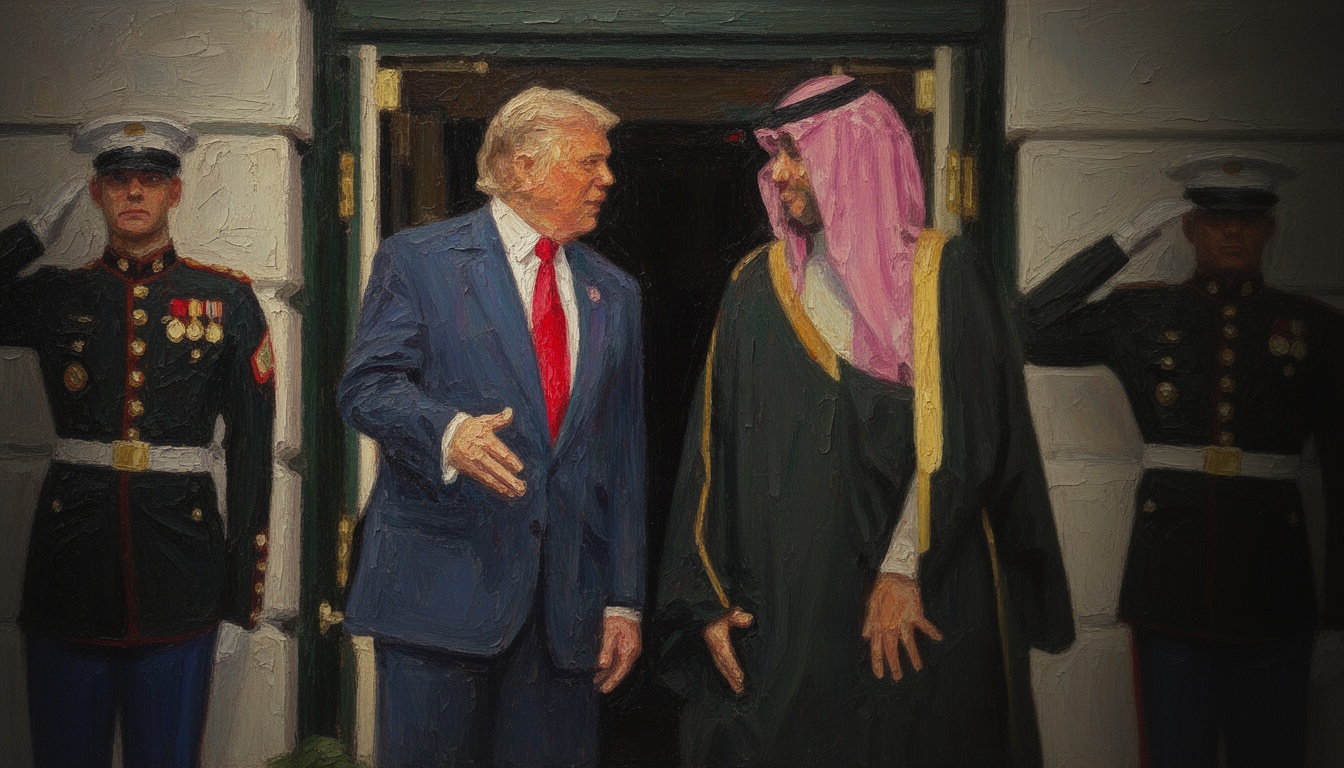
US-Saudi Nuclear Deal Linked to Israeli Normalization
The potential US-Saudi civilian nuclear agreement is contingent upon Saudi Arabia formally joining the Abraham Accords. This linkage introduces a new layer to diplomatic relations in the Middle East.
A proposed civilian nuclear deal between the United States and Saudi Arabia is reportedly contingent on Riyadh's formal normalization with Israel. President Donald Trump mentioned this condition, suggesting that progress in the nuclear agreement is intertwined with broader Middle Eastern diplomatic dynamics.
The Abraham Accords, established in 2020, normalized relations between Israel and several Arab nations, paving the way for increased regional cooperation. By tying the nuclear deal to the Abraham Accords, the Trump administration appears to be leveraging Saudi Arabia's ambitions for nuclear energy development as a means to further regional integration and stability.
Strategically, this move could alter the balance of power in the Middle East. If Saudi Arabia agrees to normalize relations with Israel, it could embolden other nations in the region to follow suit, potentially reshaping alliances and fostering a more united front against common threats.
Operationally, the proposed civilian nuclear deal may encompass technology and infrastructure sharing, which could position Saudi Arabia to develop nuclear capabilities under U.S. oversight. This arrangement would require stringent safeguards to prevent proliferation and ensure compliance with international nuclear regulations.
The consequences of this linkage are significant. Should Saudi Arabia agree to the terms, it could signal a historic shift in regional politics, potentially leading to a domino effect of normalization across the Arab world. Conversely, resistance to this condition could stall both the nuclear deal and broader diplomatic progress in the region.