US Secretary of State Calls for China Dialogue
Marco Rubio stresses the importance of continued dialogue between the US and China despite existing tensions. Communication is essential to prevent potential conflict escalation.
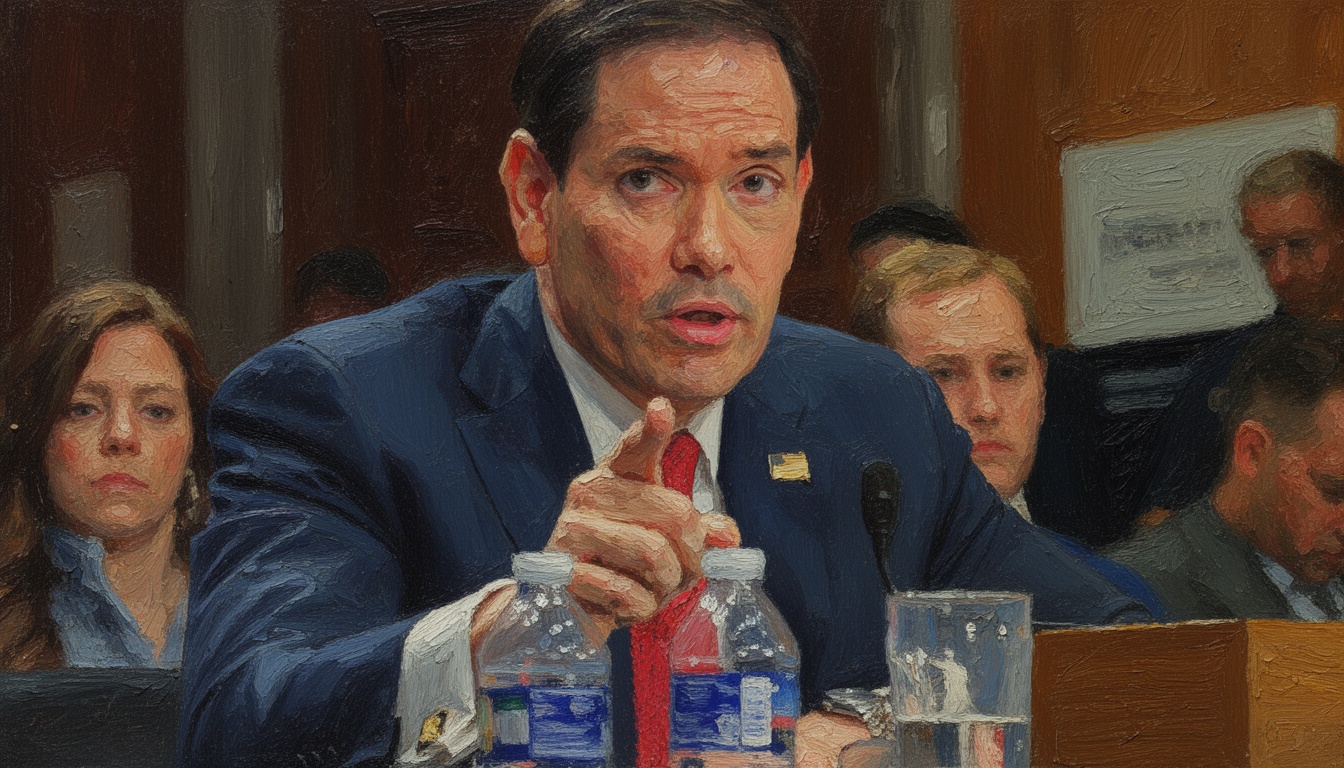
US Secretary of State Marco Rubio emphasized the need for ongoing conversations between Washington and Beijing amidst significant irritants in their relationship. During a Senate Foreign Relations Committee hearing on Tuesday, Rubio highlighted that both China and the US, as the world's two largest economies and military powers, must work together to avoid escalations that could lead to larger conflicts.
Rubio's remarks underscored the complexities of the US-China relationship, marked by various issues ranging from trade tensions to military presence in the Indo-Pacific region. The two nations are facing numerous challenges that could result in flashpoints if not addressed through effective communication. He noted that maintaining dialogue is critical to de-escalate potential points of conflict.
The strategic significance of the continued dialogue cannot be underestimated, as the US and China represent some of the most powerful nations globally. Effective communication may help prevent misunderstandings that could spark military confrontations, particularly in areas like Taiwan and the South China Sea, where tensions have risen in recent years.
Operationally, both nations have invested heavily in their military capabilities, with the US developing advanced systems like the F-35A Joint Strike Fighter and China expanding its naval forces with Type 055 destroyers. The military prowess of both nations adds urgency to maintaining diplomatic channels, especially amid ongoing geopolitical rivalries.
In conclusion, the call for dialogue from Secretary Rubio is a necessary reminder of the importance of diplomacy in international relations, particularly between two powers whose decisions can have far-reaching impacts on global stability. As both nations work to navigate their differences, the outcome will likely shape the international security landscape for years to come.