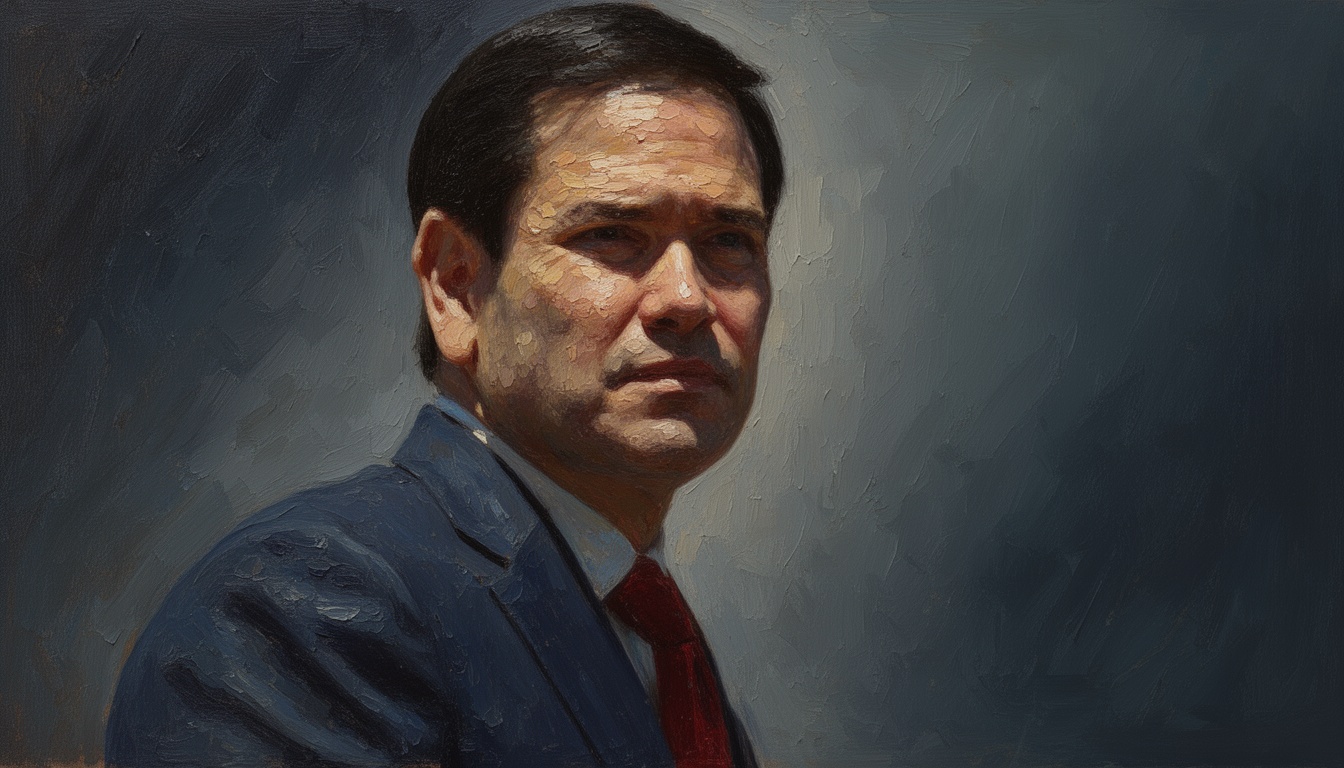
US Secretary of State Urges China to Resolve Iran Crisis
US Secretary of State Marco Rubio emphasizes the need for China's active involvement in ending the Iran conflict. This statement is expected to gain prominence during the upcoming summit between President Trump and Xi Jinping.
US Secretary of State Marco Rubio has called for China to take a more proactive role in addressing the Iran crisis, a situation he describes as a significant source of instability. Speaking on Air Force One, Rubio pointed out that the Iran conflict poses a greater threat to destabilize Asia compared to other regions due to the reliance on critical maritime routes. This marks a strategic pivot towards seeking China's assistance, especially as Washington prepares for high-stakes discussions with Chinese President Xi Jinping in the near future.
The ongoing tensions surrounding Iran, particularly its nuclear ambitions and regional actions, have raised fears among US policymakers about broader implications for stability in Asia. Rubio emphasized that China's involvement is crucial at this juncture, as its influence could help steer Iran towards a more peaceful resolution. The US administration's desire for China's engagement demonstrates a recognition of the interconnected nature of global security challenges.
The strategic significance of this outreach is underscored by the upcoming summit, which could solidify a collaborative approach among major powers in addressing regional crises. If successful, a unified stance involving both the USA and China may pressure Iran into reconsidering its current trajectory, thereby enhancing security in Asia and beyond.
Operationally, leveraging China's unique position in the region may lead to diplomatic efforts that aim to curb Iran's military provocations and nuclear development. This could involve negotiations or incentives that align with China's interests while promoting regional peace. Rubio’s appeal also reflects a broader policy shift of involving regional powers in conflict resolution efforts.
Looking ahead, the outcomes from this call for increased cooperation may reshape the dynamics of US-China relations and further influence the Middle East geopolitical landscape. A potential alignment could lead to a more concerted effort to mitigate crises and advance stability, impacting how these nations handle future international conflicts.