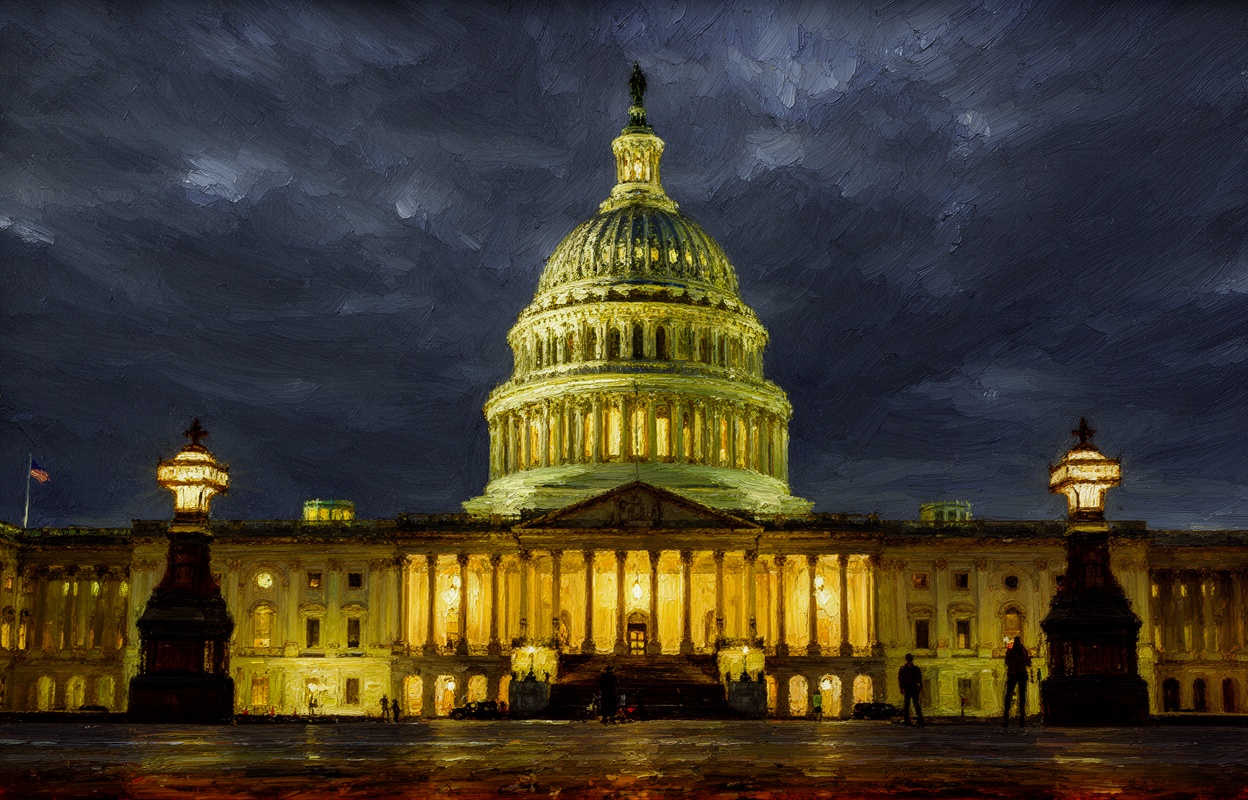
US Senate Votes to Halt Armed Forces in Iran War
The US Senate's vote represents a major legislative shift regarding military engagement. For the first time since 1973, both chambers seek to limit presidential authority to deploy forces in conflict.
On [date], the US Senate voted to join the House of Representatives in passing a resolution aimed at halting military operations in Iran. This vote marks a significant moment in US legislative history, as it directs the President to remove armed forces from hostilities, a measure rarely utilized since the War Powers Act was established in 1973. This unprecedented action signifies a growing concern among lawmakers about the nature and extent of US military involvement abroad.
The War Powers Act was put in place to ensure that Congress has a say in declaring war and deploying armed forces. The current resolution, which received bipartisan support, reflects increasing unease regarding the ongoing tensions with Iran and the potential for military escalation. With this vote, Senators are asserting their authority to check the executive branch’s power in military matters.
Strategically, this move could redefine US engagement in the Middle East. It highlights a shift towards a more cautious approach, focusing on diplomatic solutions rather than military intervention. Experts suggest that limiting military operations may encourage negotiations with Iran, potentially easing geopolitical tensions in the region.
Operationally, the resolution poses questions about the future deployment of US troops and resources, including those stationed in the Persian Gulf. The President may need to reassess military strategies, particularly regarding the 5th Fleet and surrounding assets, as pressure mounts to comply with Congress's directive.
Looking ahead, this legislative action has the potential to alter US foreign policy in the Middle East significantly. If implemented, it could set a precedent for Congressional oversight of military actions and impact future engagements not only in Iran but also in other conflict zones across the globe.