US Strikes Target Iran Amid Khamenei's Funeral Events
The arrival of Ali Khamenei's coffin in Najaf marks a pivotal moment for Iran's political landscape during heightened US-Iran tensions. The strikes may further complicate regional stability.
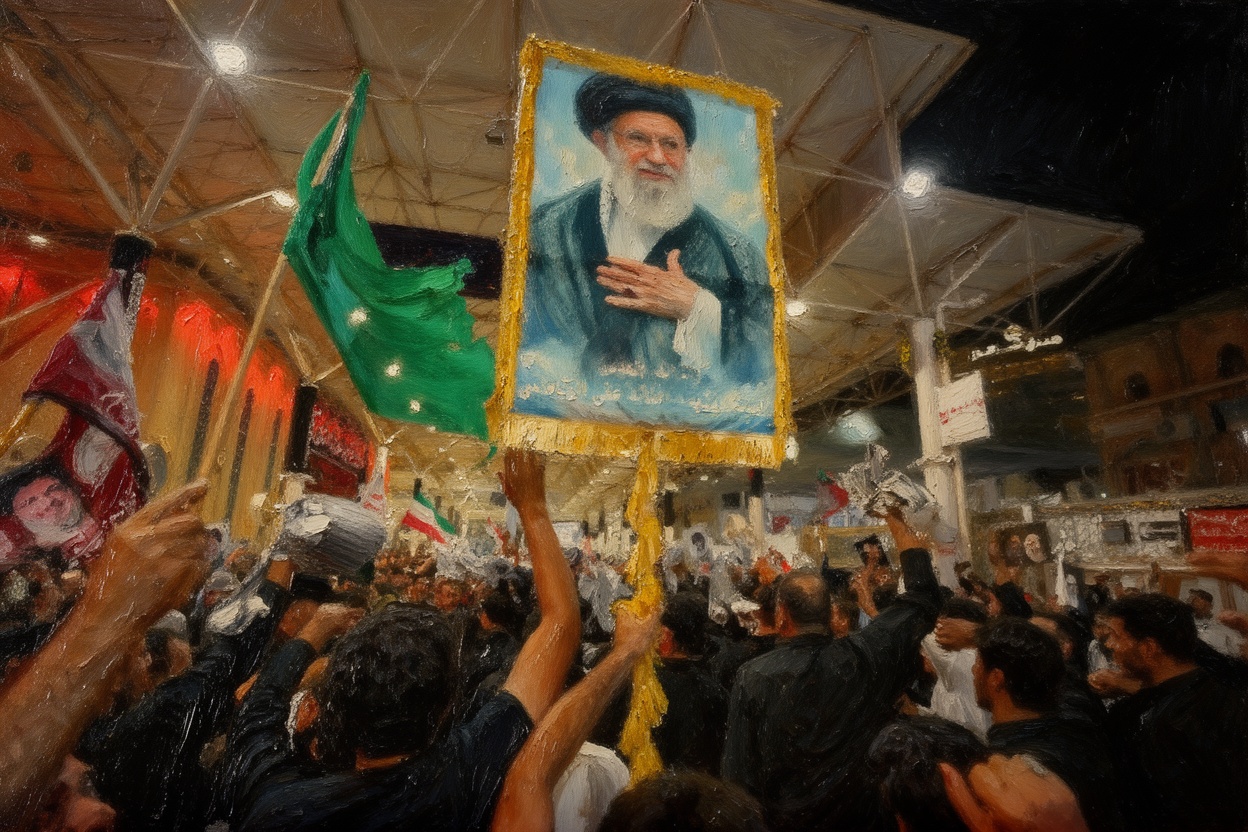
On Tuesday, news emerged that a coffin carrying the late Supreme Leader of Iran, Ali Khamenei, has arrived in Najaf, one of Shia Islam's holiest cities. This event comes at a time of escalating tensions between the United States and Iran, with the latter being impacted by recent US airstrikes.
Ali Khamenei, known for his pivotal role in Iranian politics, passed away recently, leaving a significant vacuum in the leadership structure of Iran. His funeral is likely to be attended by a large number of mourners, which could potentially lead to increased tensions both within Iran and with outside actors. This ceremony in Najaf is particularly significant, given the city’s historical and religious importance.
Strategically, the arrival of Khamenei’s coffin in Najaf could symbolize Iran’s waning influence in the region amid ongoing US military operations. The US strikes against Iranian positions are designed to deter Iranian aggression but could also incite further retaliatory measures from Tehran, complicating the already fragile state of Middle Eastern affairs.
Details surrounding the US strikes have not been thoroughly disclosed, but they are reported to focus on military installations linked to Iranian forces. These operations are indicative of a broader strategy to maintain pressure on Iran while the country is in a period of political mourning and uncertainty.
In summary, the confluence of Khamenei's funeral events and US military actions presents a critical juncture for Iran, where internal divisions may be exacerbated, and regional dynamics could shift drastically. The fallout from these events will likely reverberate far beyond Iran's borders, impacting relations with neighboring countries and global powers.