US Strikes Transport Infrastructure in Iran Amid Rising Tensions
The US military escalates its actions against Iranian infrastructure, targeting key transport links. This aggressive move occurs just over a week after renewed conflicts in the Strait of Hormuz, raising concerns over potential wider conflict in the region.
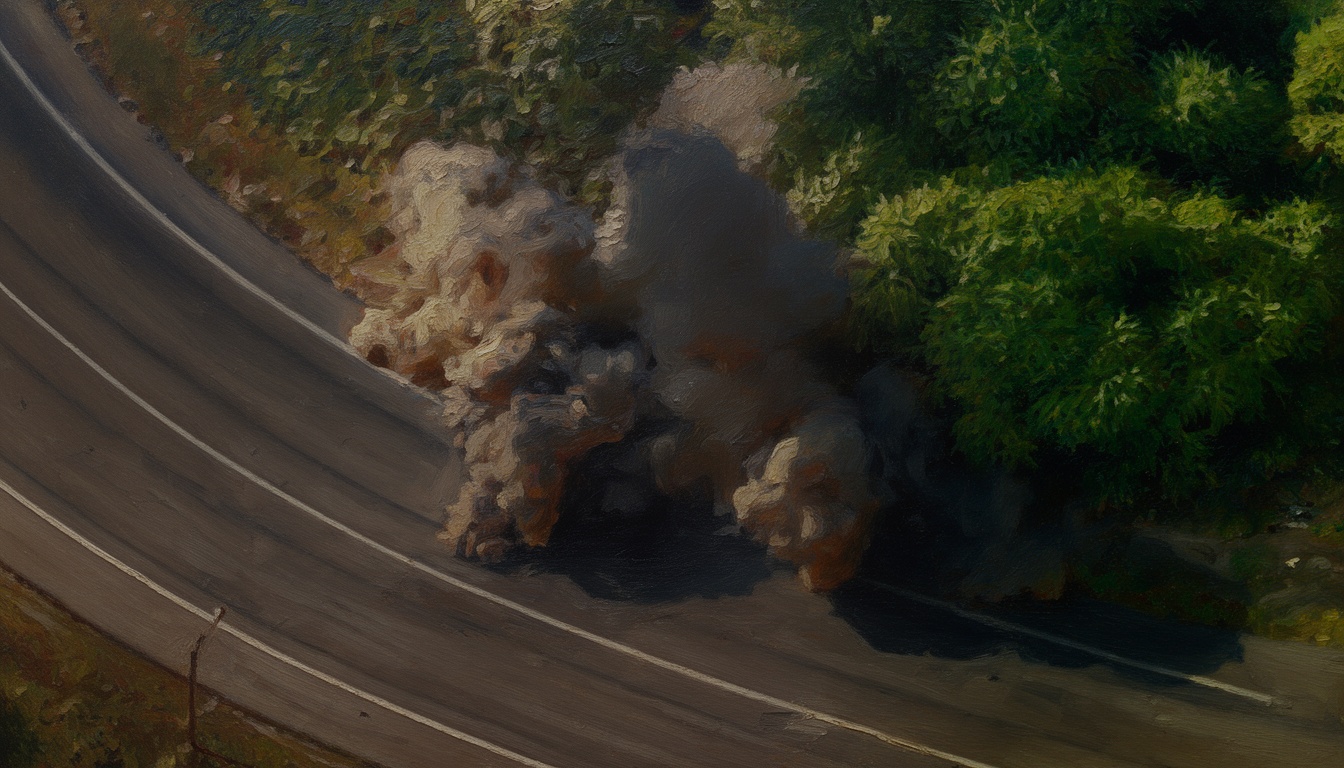
US strikes reportedly targeted critical transport infrastructure in Iran, including bridges, during the night of July 17 to 18. These strike actions signify a notable escalation in the ongoing campaign following the resumption of hostilities in the strategic Strait of Hormuz a week prior, emphasizing the evolving military landscape in the region.
Background context indicates that tensions have been heightening around the Strait of Hormuz, a vital maritime corridor through which approximately 20% of global oil supplies transit. The resurgence of fighting reflects broader geo-political complexities involving Iran and its adversaries as both sides attempt to assert their influence in this critical area.
Strategically, the decision to target transport infrastructure illustrates the cautious yet firm stance of the US on maintaining pressure on Iran. The strikes may aim to disrupt Iran's logistical capabilities, potentially impairing its operational efficiency and response mechanisms in the region, thereby attempting to deter further aggression.
Operationally, the strikes appear to have focused on specific transport nodes crucial for military and civilian logistics. While no specific details regarding the types of munitions used were disclosed, such actions often involve precision-guided munitions to minimize collateral damage. This reinforces the US military's capability in executing targeted operations in sensitive areas.
The likely consequences of these developments suggest an increased risk of retaliation from Iran, which may attempt to escalate hostilities in response to perceived threats. Additionally, the White House's public assertion that diplomacy remains an option creates a complex duality of military deterrence and potential engagement, indicating the ongoing struggle for a balanced approach to regional stability.