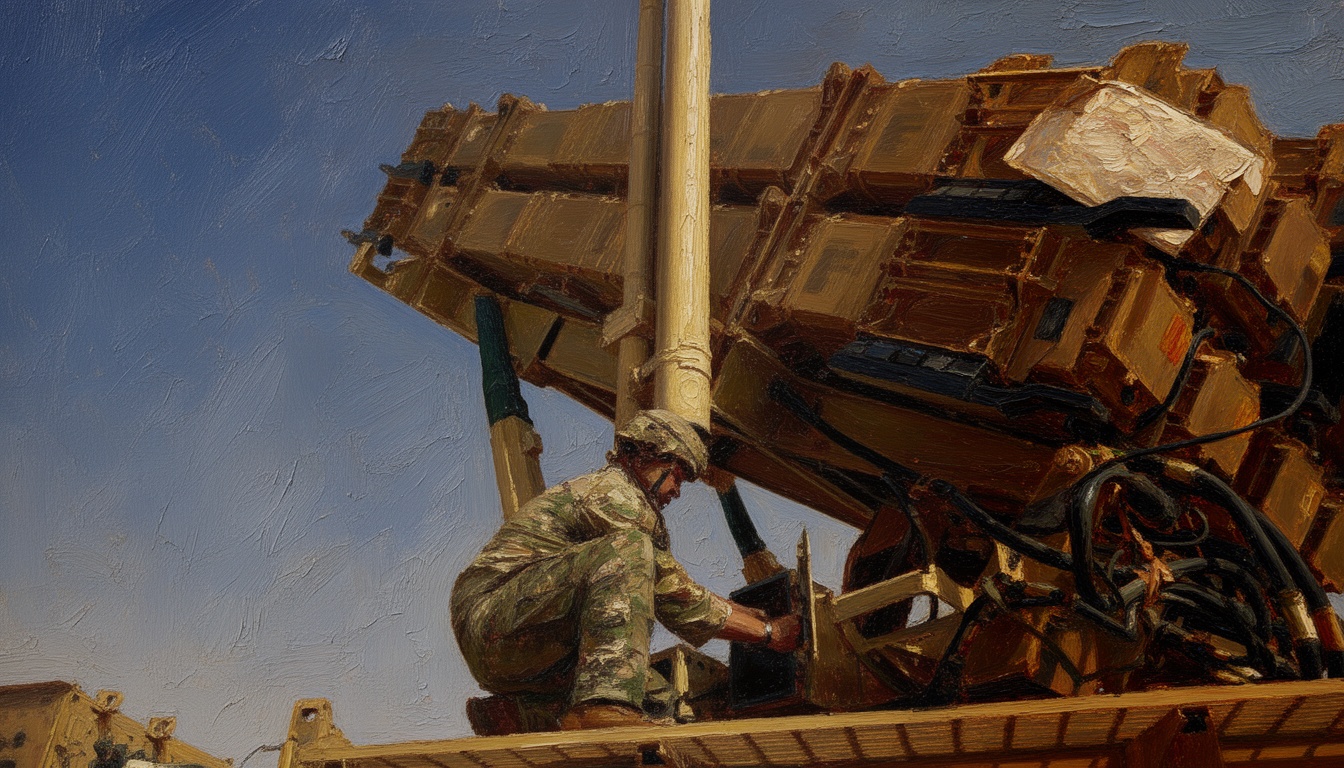
US Struggles to Meet Air and Missile Defense Needs
The United States' air and missile defense industrial base is unable to fulfill current demands. This gap highlights the necessity for increased production capacity and broader partnerships in defense manufacturing.
The United States has faced challenges in fulfilling its air and missile defense requirements through its traditional suppliers. This shortfall has prompted discussions around the urgent need to expand the industrial base to meet modern defense needs. Current geopolitical tensions and evolving threats underscore the importance of a robust defense capability.
Historically, the US relied on established manufacturers for air and missile defense systems. However, with increasing demand and limited supply from these traditional sources, the US defense strategy may be hindered. Enhanced collaboration with new and diverse suppliers could be pivotal for bridging the existing gaps in defense capabilities.
Strategically, the inability to meet air and missile defense demands could affect the US military's readiness and operational effectiveness. It also poses risks to national security, as adversaries continue to advance their own capabilities. This situation necessitates immediate attention from policymakers and defense leaders.
On the technical front, the US is known for developing leading-edge systems like the Terminal High Altitude Area Defense (THAAD) and Aegis Combat System. Yet, production constraints have been noted, particularly in sustaining the supply of components. To enhance operational readiness, investments in new manufacturing facilities and modernization of existing capabilities are essential.
Looking ahead, failure to address these production challenges will likely lead to significant vulnerabilities. A proactive approach in diversifying suppliers and increasing production capabilities could significantly bolster US air and missile defense systems, ensuring they meet future threats effectively.