US Targets Cuba Nickel Operation Affecting China-linked Supply Chains
The US sanctions on Cuba's nickel industry impact global supply chains, especially those linked to China. This move reflects a broader geopolitical strategy concerning critical minerals.
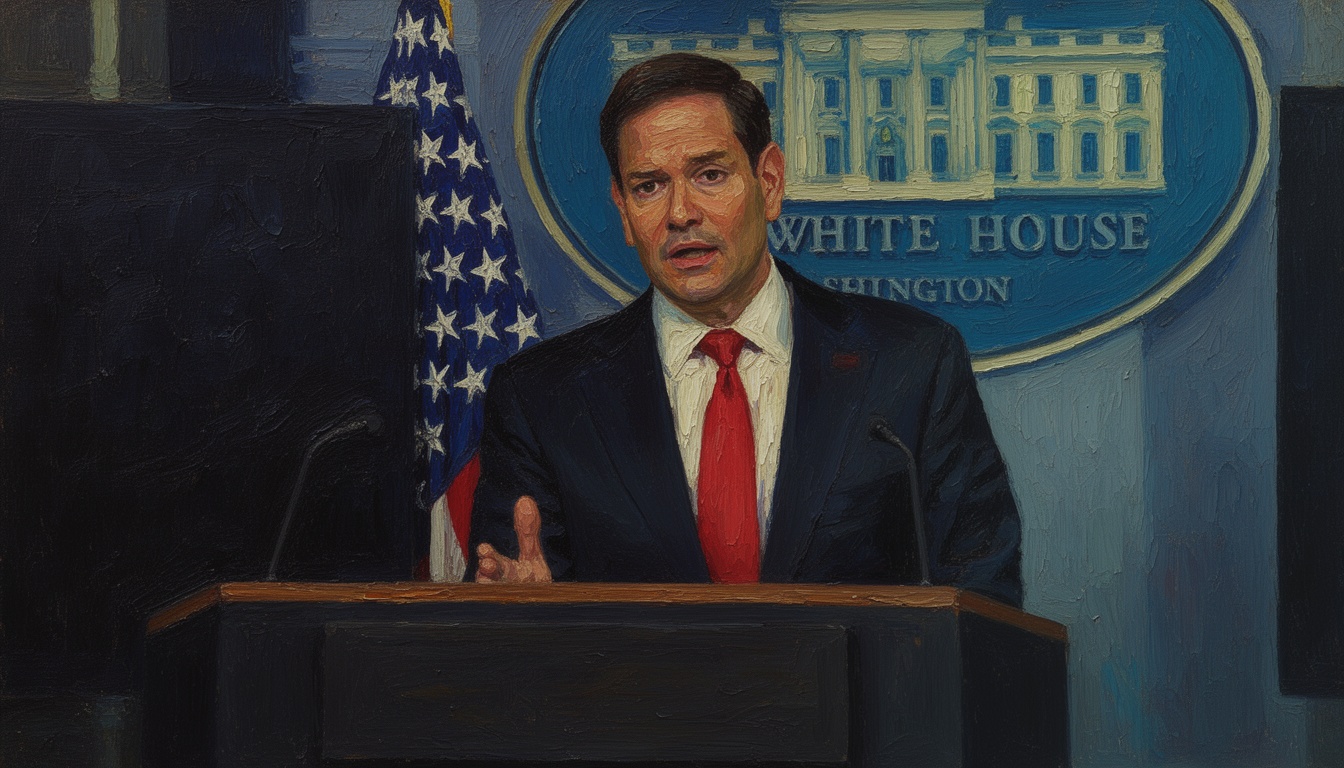
The US has imposed sanctions on Moa Nickel SA, a nickel joint venture involving Sherritt International and Cuba's state-owned General Nickel Company. This announcement was made by Secretary of State Marco Rubio on Thursday and represents an extension of the Trump administration's pressure campaign against Cuba's economic interests. The sanctions target a critical sector that plays a significant role in the production of batteries linked to China's manufacturing capabilities.
This development occurs amidst heightened tensions between the US and China over supply chain dependencies on critical minerals. Nickel is essential for battery production, and Cuba's mineral resources have been of increasing interest due to their potential application in electric vehicle batteries, which are heavily connected to China's rapidly growing EV market. By sanctioning Moa Nickel, the US aims to disrupt Chinese supply chains that rely on Cuban nickel, thereby exerting geopolitical pressure on both nations.
The strategic significance of this action cannot be understated. It underscores the US's commitment to reducing dependencies on adversarial states in critical mineral sectors while securing its supply chains for emerging technologies. This move may lead to a reassessment of investment in Cuban resources and could provoke a response from China as it looks to maintain its foothold in global battery supply chains.
Moa Nickel SA is a pivotal player in the nickel industry, operating under a joint venture model that has drawn international attention. The specific terms of the sanctions have yet to be detailed, but they signal a substantial shift in US policy towards Cuba, particularly in sectors that impact international trade and technological advancement.
As the implications unfold, the global markets may need to adapt to potential disruptions in nickel supplies, which could influence prices and availability for battery manufacturers worldwide. This action may also open the door to alternative investments from other nations seeking to fill the void left by reduced US engagement in Cuba's mineral sectors.