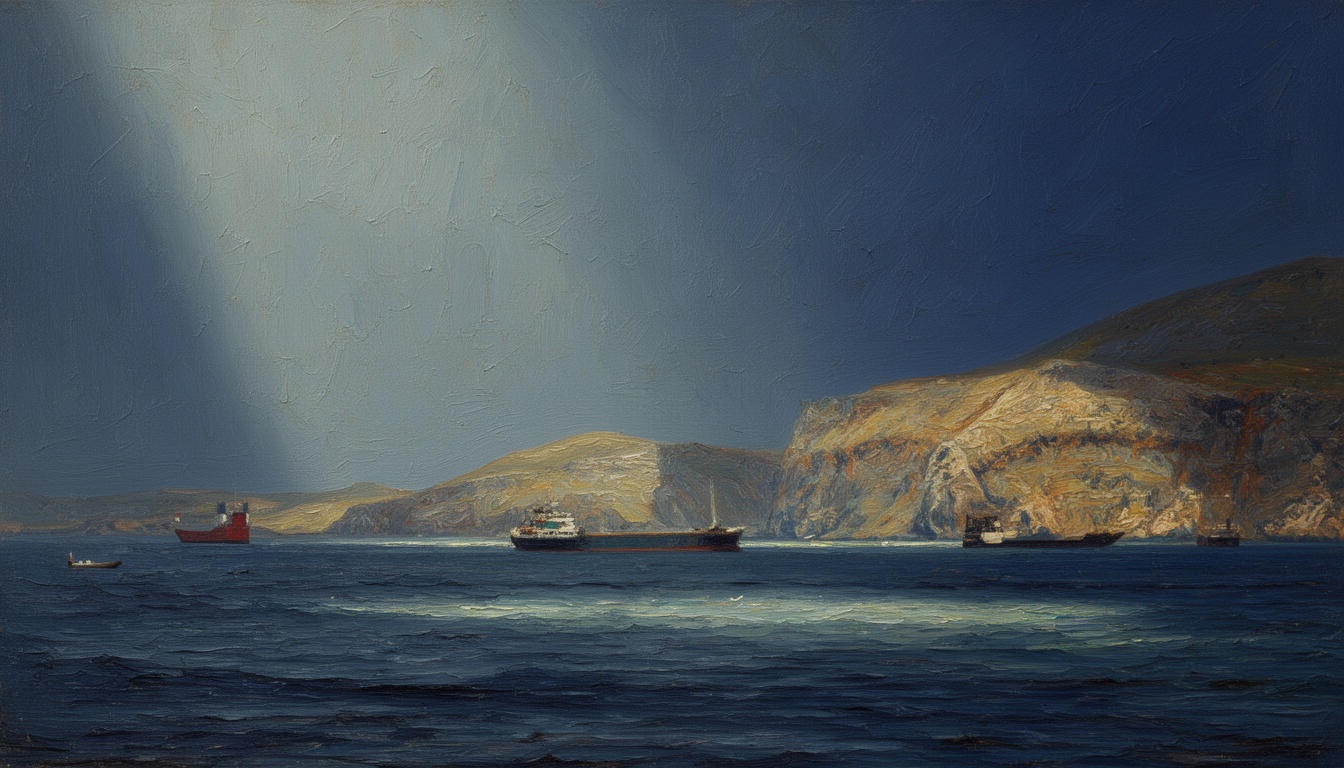
US to Escort Ships Through Hormuz Amid Iranian Warning
The US will escort vessels in the Strait of Hormuz to ensure safe passage. Iran warns that any American action constitutes a ceasefire breach, escalating regional tensions.
The United States will initiate escorts for third-country vessels in the Strait of Hormuz starting Monday morning. This is part of the newly announced 'Project Freedom' by Donald Trump on Sunday. The operation aims to secure maritime passage in a region critical for global oil shipments, given recent tensions and incidents affecting shipping security.
Background context highlights that the Strait of Hormuz is a vital shipping artery, with approximately 20% of the world's oil passing through it. Iran has previously threatened to block this passage as a form of leverage in ongoing geopolitical tensions. The reassurances provided by the US for safe passage could raise the stakes in the delicate relationship between the US and Iran.
Strategically, US escorts represent a direct challenge to Iran's maritime maneuvers and could be seen as an intervention that further escalates military posturing in the Gulf region. Iranian officials have strongly warned against any perceived American interference, labeling it a direct violation of the symbolically tense ceasefire which has been maintained for the time being.
Operationally, the escorts will likely involve naval vessels equipped with advanced surveillance systems to monitor any potential threats. The specific ships detailed for the mission have not been disclosed, but the operation aligns with broader US efforts to maintain freedom of navigation in international waters, particularly in high-stakes zones like the Strait of Hormuz where tensions are historically high.
The likely consequences of this initiative could include heightened naval encounters between US and Iranian forces, prompting a possible military escalation. Regional allies may also react to the growing military presence, complicating the already strained relations in the area. Moving forward, the focus will remain on the reactions from Iran and the broader implications for international shipping and naval strategy in the Gulf.