US Troop Withdrawal from Germany Raises Security Concerns
The potential withdrawal of thousands of US troops from Germany could significantly alter NATO's military posture and European security framework. Trump's decision reignites discussions on America's commitment to European defense.
President Donald Trump's recent announcement regarding the withdrawal of thousands of US troops from Germany has heightened concerns surrounding NATO's strategic stability. This troop drawdown potentially undermines the United States' longstanding security commitments in Europe and raises questions about the future of transatlantic relations.
The US military's presence in Europe, particularly in Germany, has been a cornerstone of American foreign policy since the end of World War II. With approximately 34,500 troops stationed in Germany, these forces play a crucial role in NATO's collective defense and in supporting regional security initiatives. Trump's intention to scale back this presence reflects a shift in US priorities that may have significant repercussions for European allies.
Strategically, the reduction of US forces could embolden adversaries and create a power vacuum in Europe, leading to increased tensions and instability in the region. European nations, relying heavily on US military support, face the dilemma of how to compensate for potential security gaps left by the drawdown, prompting them to reconsider their own defense spending and capabilities.
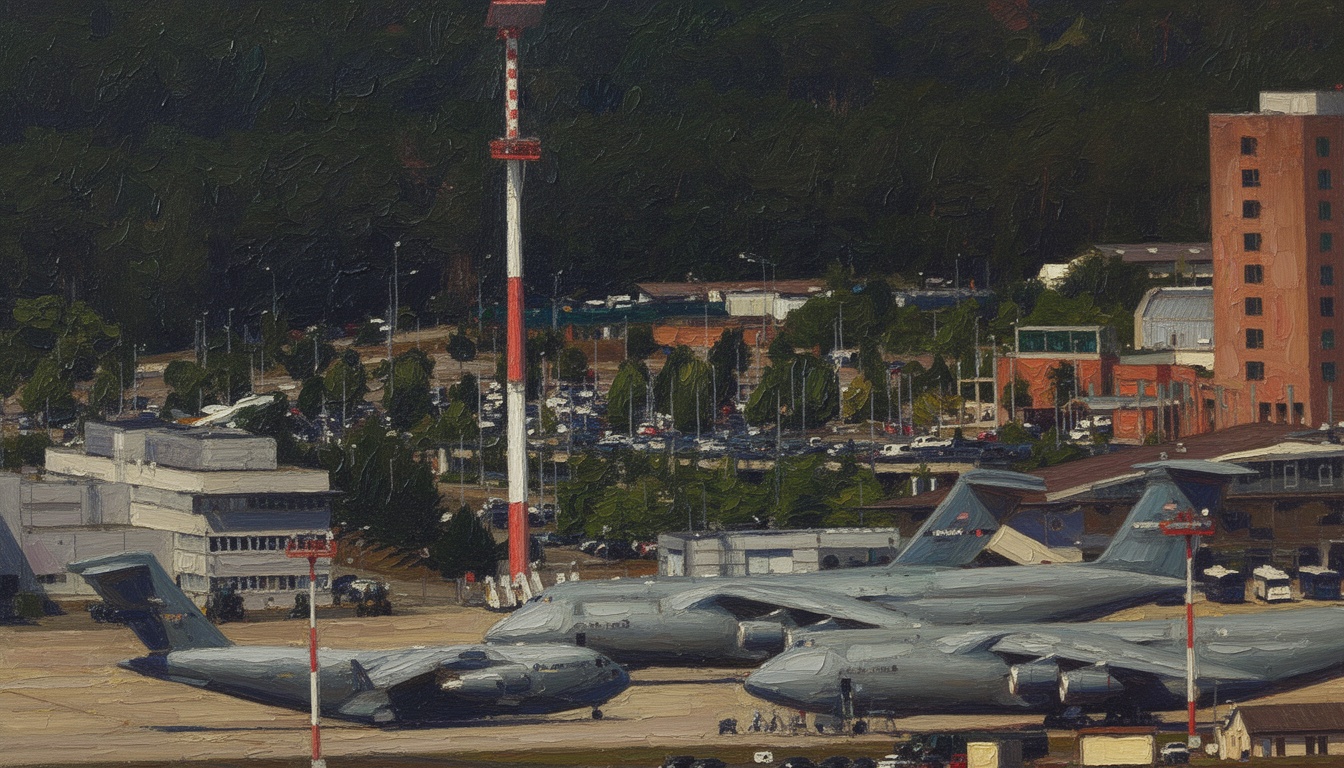
Operationally, the potential withdrawal is expected to affect key military bases in Germany, such as Ramstein Air Base and Landstuhl Regional Medical Center, which serve as vital hubs for NATO operations. The implications of this move extend beyond troop numbers, as it signals a re-evaluation of the US military's global posture in light of evolving geopolitical challenges.
Looking ahead, if Trump's decision proceeds, the US commitment to collective security in Europe will likely face scrutiny. Allies may push for enhanced European defense collaboration to mitigate risks, and the uncertainty surrounding US military engagement could complicate future diplomatic dealings and security arrangements within NATO.