US Troops Targeted Using Commercial Location Data
The Pentagon confirms that U.S. forces in conflict zones are at risk from commercially available location information, raising serious security concerns.
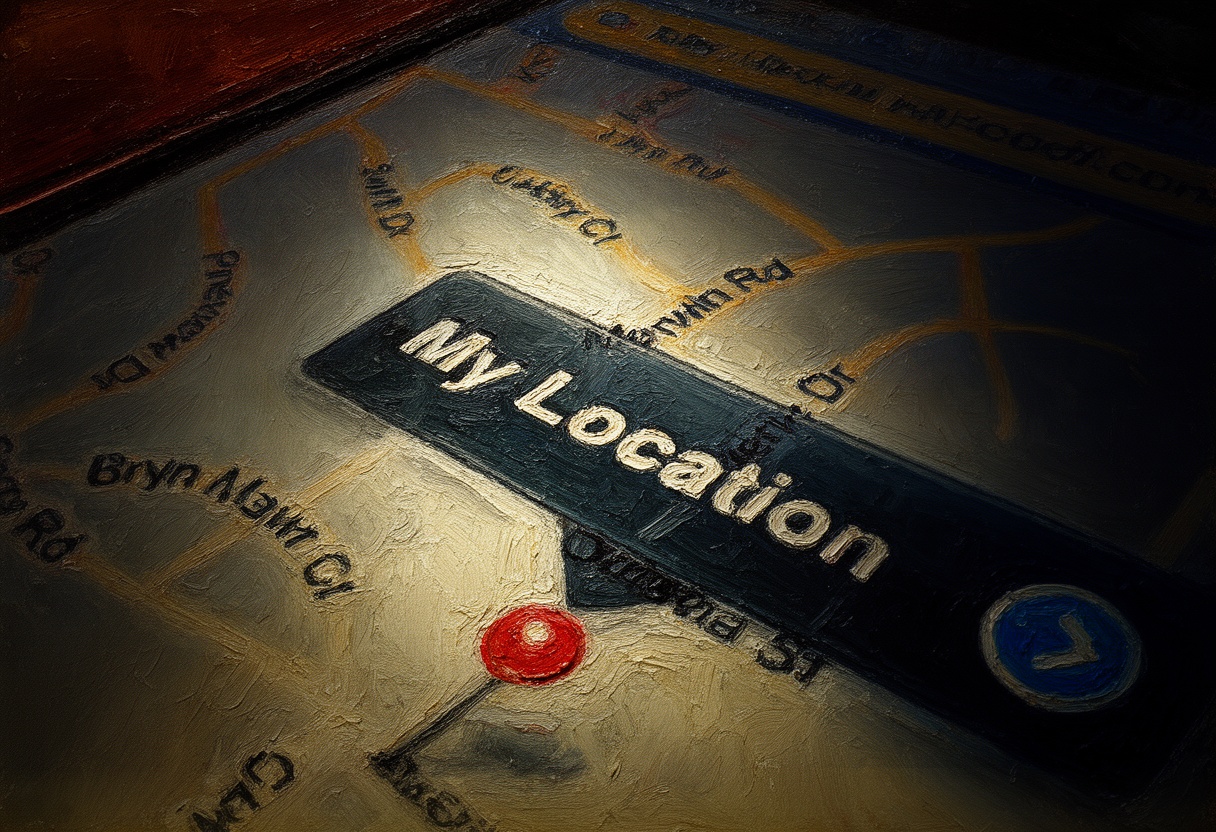
U.S. military officials have confirmed that American troops deployed to war zones are being targeted through commercially available location data. This alarming revelation suggests that adversaries may be using technology typically accessible to the public to track and locate U.S. personnel. Such targeting poses significant threats to their operational security and safety in already volatile environments.
The use of commercial location data to track military units marks a troubling trend in modern warfare. As nations increasingly rely on digital technology, the risk of adversarial actors exploiting this data has grown. Notably, this method might lessen the boundary between traditional surveillance and targeting, transforming how modern conflicts are conducted.
In terms of strategic implications, such vulnerabilities challenge the effectiveness of conventional military operations. It necessitates a reassessment of tactics and security protocols to shield troops from potential strikes that could result from precise location targeting. If these vulnerabilities are not addressed, U.S. forces could face escalating risks in their missions abroad.
The Pentagon has not disclosed specific actions that could be taken to mitigate these risks, but the emphasis on enhancing operational security is likely to be paramount. Improved measures may include stricter regulations on the use of location data or the enhancement of technological countermeasures to secure troop movements and positions.
Looking ahead, the implications of this development could drive changes in future military engagements. A focus on counter-surveillance and deceptive operations may become critical as the U.S. military adapts to the evolving nature of warfare that increasingly leverages accessible technological data against it.