US Vice-President Defends Iran Deal Amidst Criticism
The defense of the US-Iran agreement highlights significant shifting dynamics in international diplomacy. Critics remain concerned over vague provisions, but the deal suggests a potential end to hostilities.
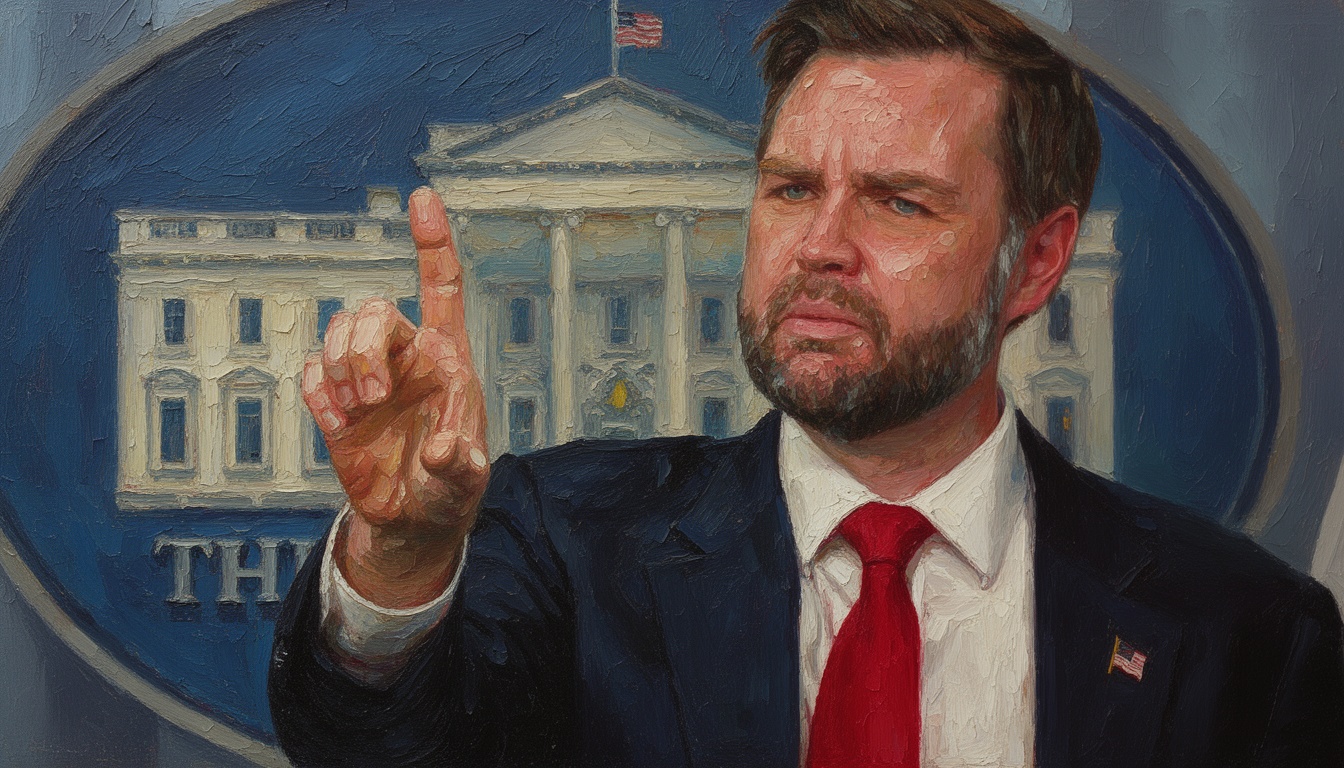
On Thursday, Vice-President J.D. Vance publicly defended the recent US-Iran agreement, labeling it a 'win-win' situation during a press briefing at the White House. His remarks came in response to increasing criticisms regarding the ambiguities within the deal's provisions. Despite dissenting voices, Vance emphasized the potential benefits of the agreement for both nations, asserting that it could signal an end to an expensive and controversial military engagement.
The US-Iran agreement, criticized by some as lacking clarity, has been welcomed by others who see it as a way to cease hostilities that have long strained relations between the two countries. Observers note that such a diplomatic shift is significant, particularly given the history of tensions and conflicts rooted in misunderstandings and miscalculations. Vance's assertion that the US has 'all the cards' indicates confidence in the negotiating position and a willingness to pursue dialogue over conflict.
Strategically, a working relationship between the US and Iran could alter the balance of power in the Middle East. For years, tensions has led to increased military presence and expenses for both nations. Analysts suggest that this agreement could enhance regional stability, leading to more constructive political engagements.
Details of the deal, though still vague, reportedly include various aspects of trade and military de-escalation, although specific terms are not widely publicized. Such agreements often require careful scrutiny, and the lack of transparency is one of the prominent points raised by critics. However, proponents argue that any step toward peace is commendable given the current climate of hostility.
Consequently, the future implications of the US-Iran agreement remain uncertain. While critics urge caution, the possibility of reduced military confrontation could shift dynamics significantly within the region. If effective, this could pave the way for broader dialogues, fostering a new trajectory of diplomacy that prioritizes partnership over adversity.