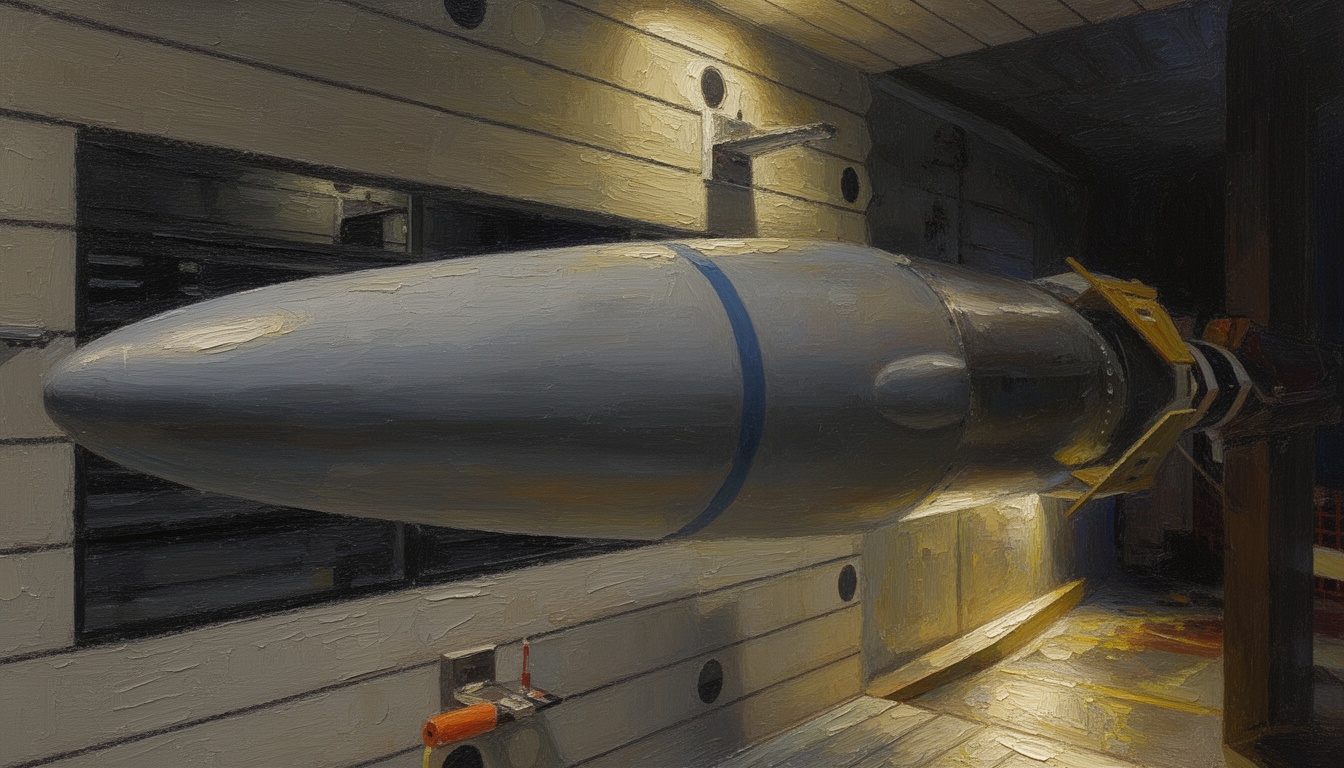
USAF Develops New ARRW Hypersonic Missile to Target Ships
The United States Air Force is advancing plans for a new variant of the ARRW hypersonic missile, designed to engage moving maritime targets. This development aims to enhance capabilities for potential conflicts in the Pacific region.
The United States Air Force (USAF) has initiated plans to develop a new variant of the Air-launched Rapid Response Weapon (ARRW) hypersonic missile, aimed specifically at targeting naval vessels. This missile variant is expected to significantly enhance the USAF’s strike capabilities against maritime threats during potential combat operations in the Pacific theater.
Historically, the ARRW missile has been a critical component of the USAF's strategy to ensure rapid global strike capabilities. With the growing assertiveness of naval powers in the Pacific, the USAF recognizes the necessity for more precise and effective weapons that can engage fast-moving sea targets, which the current missile version may not adequately address.
This upcoming missile variant is anticipated to feature enhanced targeting systems that will enable it to lock onto and strike agile maritime targets, likely including destroyers and aircraft carriers. The USAF's move is set against the backdrop of increasing tensions with rival nations, notably in the Indo-Pacific region, necessitating advanced offensive capabilities.
Technical specifications for the new ARRW variant remain under wraps, but the missile is expected to maintain its hypersonic speed, which exceeds Mach 5, thus allowing minimal response time for enemy forces. The USAF aims to integrate these systems into ongoing air combat operations by the mid-2020s, ensuring that it can sustain a competitive edge.
As the development of this new missile advances, the implications for maritime security are considerable. The USAF's investment in hypersonic technology may alter the dynamics of naval engagements and deterrence, compelling adversaries to adapt their strategies in response to the enhanced lethality of U.S. forces in the Pacific.