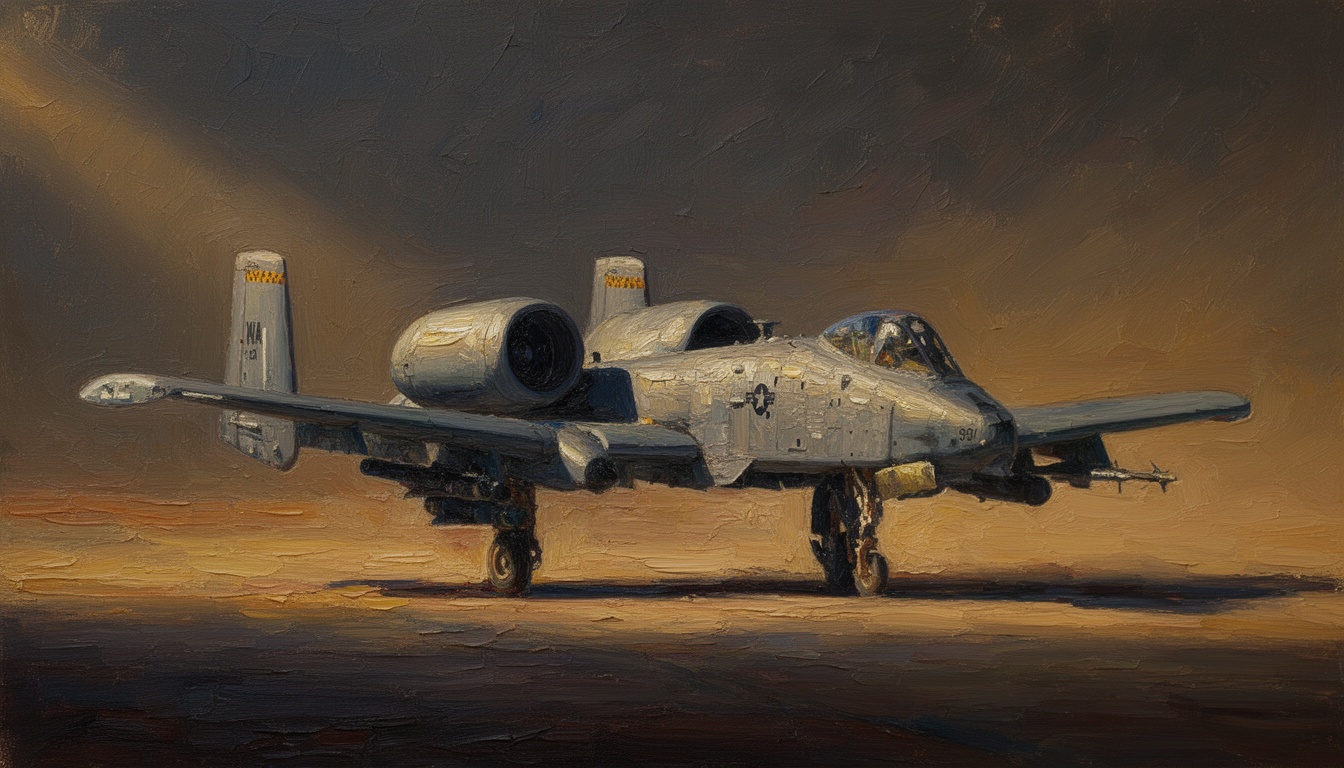
USAF Funding for A-10 Extension Remains Uncertain
The U.S. Air Force's commitment to extend the A-10 Thunderbolt II service through 2030 faces significant funding and planning challenges. This raises questions about the aircraft's operational future and readiness.
The United States Air Force (USAF) has announced plans to extend the operational service of the A-10 Thunderbolt II attack aircraft until at least 2030. However, the reality of funding allocations and strategic planning does not align with this commitment, leading to concerns about the aircraft's future effectiveness and readiness.
The A-10, renowned for its close air support capabilities, has undergone various upgrades over the years, enhancing its survivability and lethality. Yet, as the USAF faces potential budget cuts and shifting priorities towards more advanced platforms, the fate of the A-10 becomes increasingly uncertain. The debate around its continued use pits traditionalist views against advocates for newer systems like the F-35 Lightning II.
Strategically, the A-10's role remains vital in countering asymmetric threats and supporting ground troops, particularly in environments where close air support is crucial. This operational necessity raises questions about maintaining resources for the A-10 amid pressures to invest in next-generation technology that promises greater capabilities, such as unmanned systems and advanced fighter jets.
Currently, no specific funding initiatives have been firmly established to support the A-10's extension beyond stated timelines. The USAF has provided updates on modernization projects, but concrete spending plans have yet to be detailed. Analysts warn that without a clear financial strategy, the USAF may face operational gaps as existing airframes age and are sidelined.
In light of these challenges, the future of the A-10 Thunderbolt II might be at a crossroads. If the USAF does not address these funding and planning issues urgently, the aircraft’s legendary status in modern warfare may not be sufficient to ensure its longevity in an evolving combat landscape.