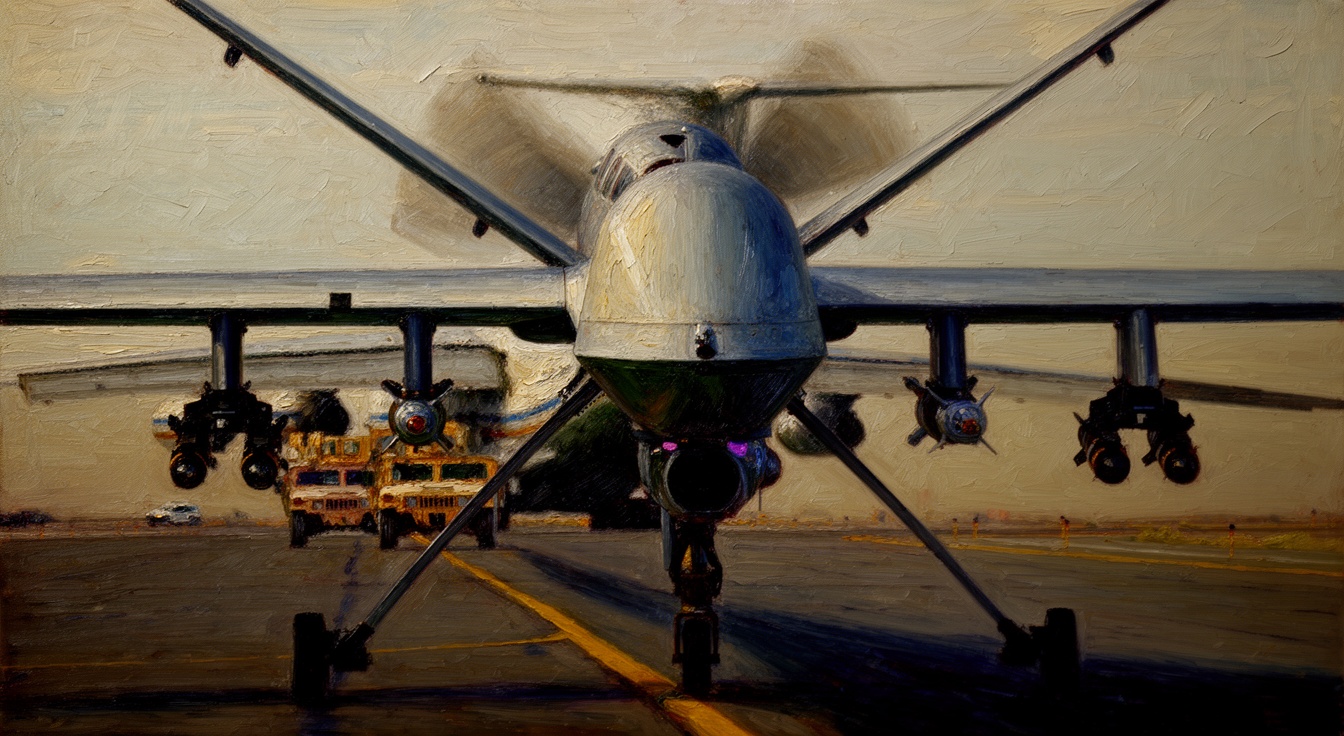
USAF Seeks Replacement for MQ-9 Reapers after Significant Losses
The United States Air Force (USAF) is aggressively pursuing procurement of available MQ-9 Reaper drones. This need arises from heavy losses incurred in engagements against Iranian forces and Houthi insurgents.
The United States Air Force (USAF) is scrambling to procure any remaining MQ-9 Reaper drones still in existence following substantial losses amid combat operations against Iranian military units and Houthi forces. Reports suggest that the USAF is in urgent discussions to acquire drones that are no longer in production to replace these lost assets.
The MQ-9 Reaper has been a critical asset for the USAF, providing advanced reconnaissance and strike capabilities. In particular, the losses during recent operations have raised concerns regarding the USAF's ability to sustain its drone fleet, especially in volatile regions where both Iran and Houthi forces operate. With a substantial number of Reapers lost, the USAF's current operational capability is under significant strain.
The strategic implications of these losses could be profound, as the USAF relies heavily on unmanned aerial systems for intelligence, surveillance, and reconnaissance (ISR). The increasing prevalence of hostile engagements in regions like Yemen challenges the USAF's operational readiness and deterrent postures, necessitating rapid acquisition strategies.
The MQ-9 Reaper itself is equipped with advanced avionics and is capable of conducting both reconnaissance and strike missions. The Air Force has previously operated dozens of these drones, which are critical for their precision strike capabilities against ground targets. Each Reaper costs approximately $16 million, highlighting the financial commitment required to maintain this capability.
As the USAF continues to face operational challenges and combat losses, the urgency to replenish its drone inventory is expected to intensify. The increased tension in the region may necessitate a strategic reassessment of drone deployment and capability enhancement, impacting future engagements against adversarial forces.