USS Gerald R. Ford Deployment Sparks Navy Rethink
The USS Gerald R. Ford's unprecedented deployment raises critical strategic questions for naval operations. This debate over carrier deployment tempo could reshape future naval readiness.
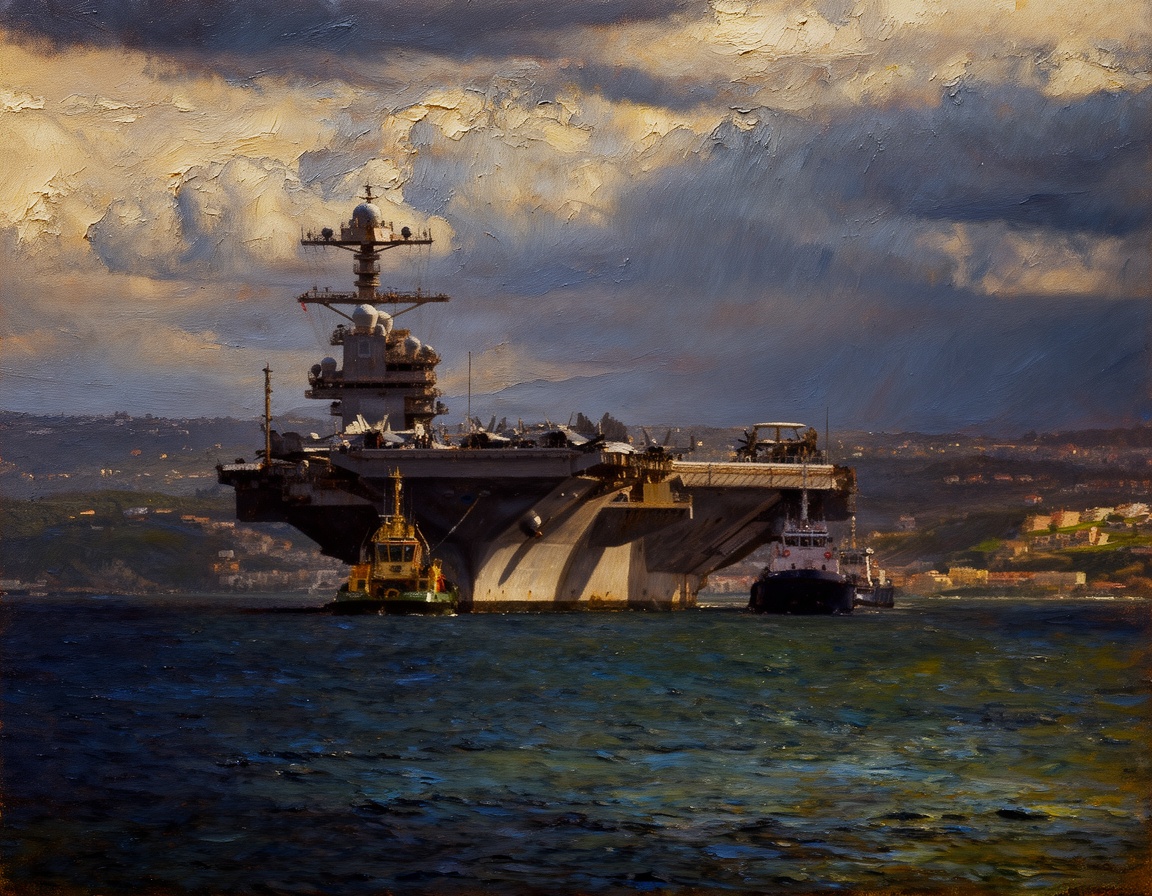
The USS Gerald R. Ford (CVN-78) has completed a record-breaking deployment, prompting the United States Navy to reconsider carrier deployment intervals. This deployment, which lasted over 10 months, has highlighted challenges in balancing operational readiness and maintaining personnel morale for sailors. The unprecedented length of the Ford's mission raises significant questions about the sustainability of current naval strategies.
Historically, aircraft carriers have operated under a deployment model that typically accommodates a six-month stint at sea followed by an equivalent period of maintenance and rest for the crew. However, the extended duration of the USS Gerald R. Ford's deployment has sparked discussions among naval leaders regarding the implications for future operations, particularly as global maritime tensions escalate.
The strategic significance of this deployment cannot be overlooked. Carrier strike groups remain a cornerstone of U.S. naval power projection, and adjusting deployment schedules could enhance the Navy's responsiveness to crises while ensuring the well-being of sailors on board. With rising geopolitical threats, ensuring that aircraft carriers are available when and where they are most needed is crucial.
Technical aspects of the Gerald R. Ford class include advancements like the Electromagnetic Aircraft Launch System (EMALS) and improved flight deck capacity. These innovations aim to enhance the operational capabilities of the carriers and their ability to conduct sustained missions. Future deployments will need to take these technological improvements into account, balancing them against the logistical and personnel demands of carrier operations.
As the Navy reviews its deployment framework, the experience from the USS Gerald R. Ford will likely influence future policy decisions. An adjustment in how carriers are utilized could redefine the role of naval aviation in modern warfare, ensuring that forces remain agile and capable in an increasingly complex international security landscape.