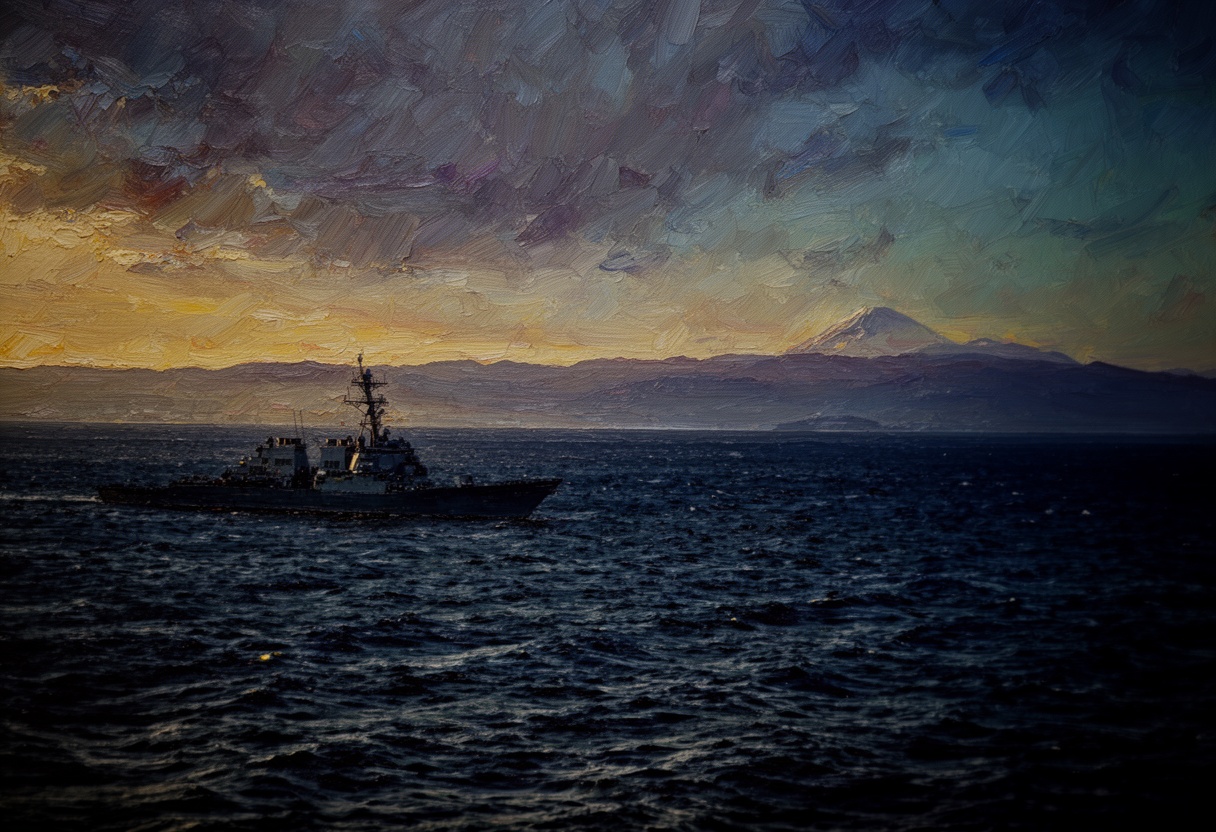
USS Higgins Loses Power and Propulsion Due to Engineering Casualty
An engineering failure left USS Higgins incapacitated, impacting operational readiness. The incident raises concerns about maintenance and reliability in U.S. naval forces.
The USS Higgins, a guided missile destroyer, suffered a significant engineering casualty that knocked out both its electricity and propulsion systems. This critical outage left the 300 sailors aboard the ship unable to maneuver effectively, rendering them vulnerable during the incident.
USS Higgins is equipped with advanced systems, yet this failure raises serious questions about the vessel's maintenance and overall reliability. Such incidents are concerning for the U.S. Navy, particularly given increasing operational demands in various regions.
Strategically, the incapacitation of a vessel like USS Higgins could impact naval operations in areas of tension, particularly in the Indo-Pacific region where U.S. naval presence is crucial for deterrence. The incident underscores the importance of robust maintenance protocols to ensure readiness and operational capability.
Operationally, the USS Higgins, as a part of the Arleigh Burke-class, is normally armed with Aegis Combat System, Tomahawk cruise missiles, and anti-aircraft defenses. However, being momentarily rendered immobile compromises its effectiveness as a deterrent force within a potentially hostile environment.
Moving forward, investigations will likely focus on identifying the cause of the failure to prevent future occurrences. The U.S. Navy must navigate these challenges carefully to maintain its strategic advantage in maritime operations.