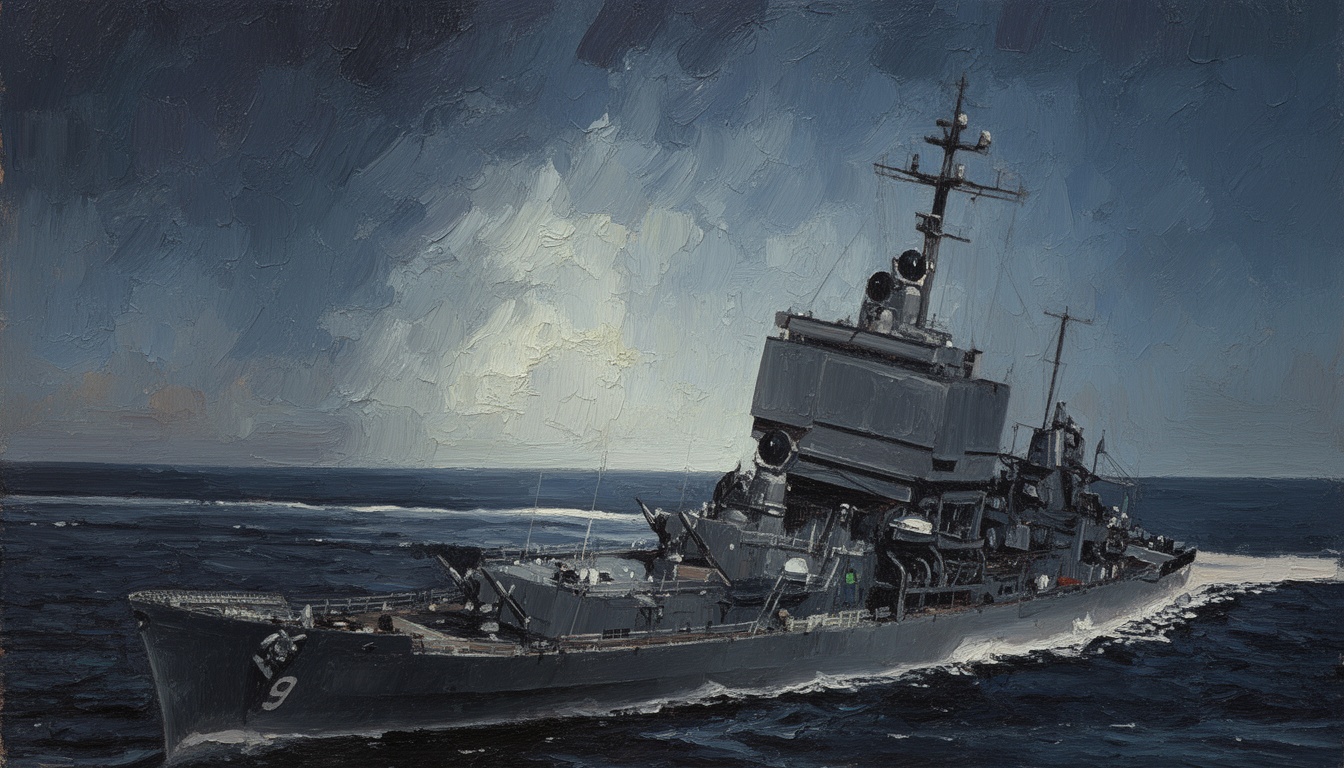
USS Long Beach, First Nuclear Cruiser, Set for Disposal
The US Navy plans to dispose of the USS Long Beach, facing high costs and time demands. This marks a significant step in naval decommissioning strategy.
The United States Navy has initiated plans to dispose of the USS Long Beach, the world’s first nuclear-powered cruiser. This decision marks a pivotal moment in the Navy's efforts to retire aging ships from its fleet that no longer serve operational purposes. The process of dismantling a nuclear vessel is notably more complex and costly compared to conventionally powered ships due to stringent safety and environmental regulations.
Commissioned in 1961 and decommissioned in 1994, the USS Long Beach served as a guided-missile cruiser and played a vital role in strategic naval operations during the Cold War. Its nuclear propulsion system allowed for extended deployments without the need for refueling, making it a significant asset during its operational years.
From a strategic standpoint, the disposal of the USS Long Beach reflects broader trends in the decommissioning of military vessels. As the US Navy modernizes its fleet in response to evolving global threats, retiring older ships includes making room for newer platforms equipped with advanced technologies.
The dismantling process for nuclear-powered vessels involves rigorous protocols due to the handling of radioactive materials and the need to ensure environmental safety. Estimates suggest that the overall cost for disposing of the USS Long Beach could reach into the hundreds of millions of dollars, which poses a challenge for defense budgeting considerations.
Moving forward, the decision to retire and dismantle the USS Long Beach may influence other nations' naval strategies as they assess their own fleets. It underscores the complexities involved in managing legacy nuclear naval technology and may prompt discussions on future vessel designs and sustainability practices in naval operations.