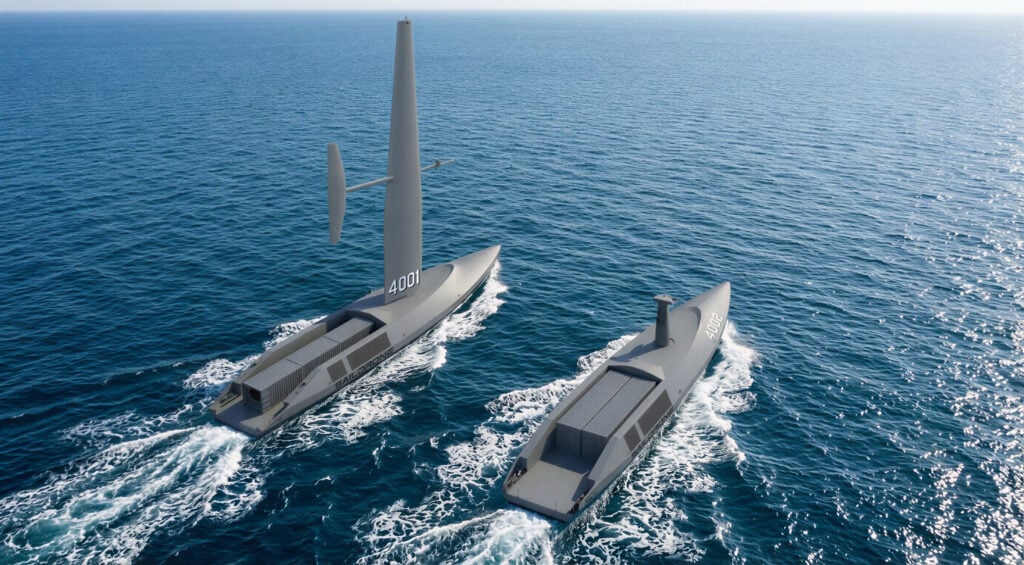
USVs Offer Alternatives for Strained Manned Fleet, Navy Official Says
The development of Unmanned Surface Vessels (USVs) is changing naval operations. They provide flexible options when deploying manned ships is impractical or expensive.
Unmanned Surface Vessels (USVs) are increasingly being recognized as viable alternatives for naval missions, according to a U.S. Navy official. The growing demand for maritime security and the strained capacity of manned fleets are pushing the Navy to explore modular and cost-effective options. USVs can be deployed in situations where sending a large combatant ship is considered too costly or disproportionate, thus enhancing operational flexibility.
The U.S. Navy is currently evaluating the capabilities of USVs to augment its existing fleet. These vessels could be used for various missions, including surveillance, reconnaissance, and even combat operations. The concept of USVs aligns with ongoing efforts to develop a more distributed fleet that can operate effectively in contested environments while minimizing risk to crewed assets.
The strategic significance of integrating USVs lies in their ability to extend operational reach without overstretching manned vessels. This shift not only addresses immediate logistical challenges but also enhances the Navy's overall combat readiness. As naval conflicts evolve, the capability to operate unmanned systems becomes a crucial aspect of modern maritime warfare.
From a technical perspective, USVs are designed to be modular, allowing for rapid mission reconfiguration as needed. This versatility can include deploying different payloads or sensors tailored to specific mission requirements. The operational deployment of USVs could significantly reduce costs associated with traditional manned operations, which often require extensive maintenance and logistics support.
As the U.S. Navy continues to explore the role of USVs, the potential implications for future naval strategies are profound. The introduction of these vessels may not only reshape fleet composition and deployment patterns but also redefine how naval forces engage in various theaters of operation, ultimately leading to a more resilient and adaptive naval force.