Vietnam to Procure BrahMos and Naval Vessels from India
Vietnam is enhancing its defense capabilities through agreements with India, including the acquisition of BrahMos missiles and naval vessels. This partnership signifies a growing military cooperation in the region.
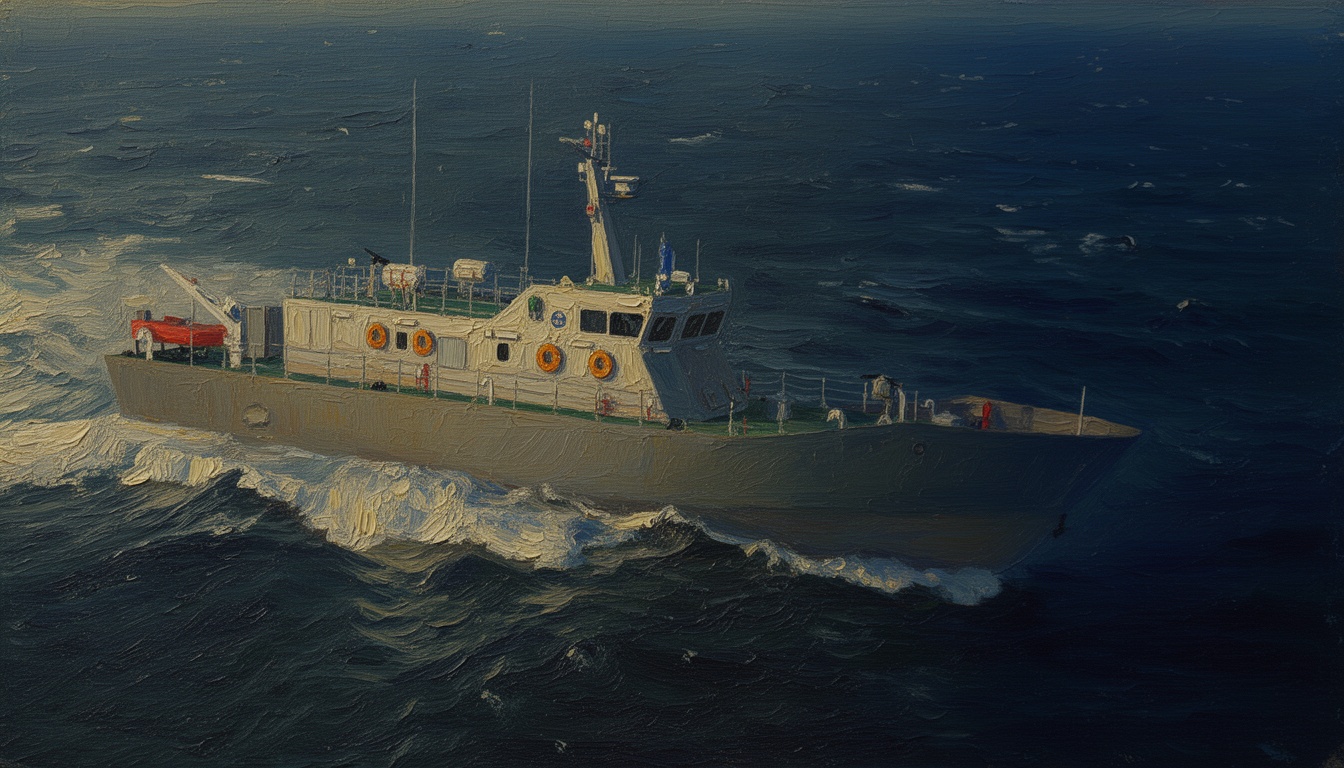
Vietnam is poised to strengthen its defense collaboration with India by procuring BrahMos missiles and several naval vessels, including three to four Offshore Patrol Vessels (OPVs) and 14 patrol boats. This development is part of a broader strategy to enhance Vietnam's military capabilities amid growing regional tensions.
The improved defense ties were discussed during a visit by Indian Prime Minister Narendra Modi to Vietnam, where he announced a $500 million line of credit aimed specifically at fulfilling Vietnam's defense requirements. This financial commitment highlights India's intention to solidify its position as a significant defense partner for Vietnam as both nations face security challenges in the Indo-Pacific region.
Strategically, the acquisition of BrahMos missiles, known for their speed and precision, will significantly enhance Vietnam's deterrence capability against potential threats. The addition of naval vessels, particularly OPVs and patrol boats, will bolster Vietnam's maritime security, especially in the South China Sea, where territorial disputes have heightened tensions.
The BrahMos missile system, developed by India and Russia, is regarded as one of the fastest cruise missiles in the world, capable of targeting land and sea-based threats. The OPVs and patrol boats will be crucial in enhancing the operational reach of the Vietnam People's Navy, allowing for improved maritime surveillance and patrolling capabilities.
In conclusion, the increased military cooperation between India and Vietnam is likely to alter the defense landscape in Southeast Asia. As both countries strengthen their strategic ties, they may pave the way for a more robust regional security architecture aimed at addressing shared concerns over maritime security and regional stability.