Violence Escalates in Israel During Military Draft Protests
Ongoing protests over military service threaten Israel's coalition government and shift political discourse. The escalating violence underscores deep societal divisions.
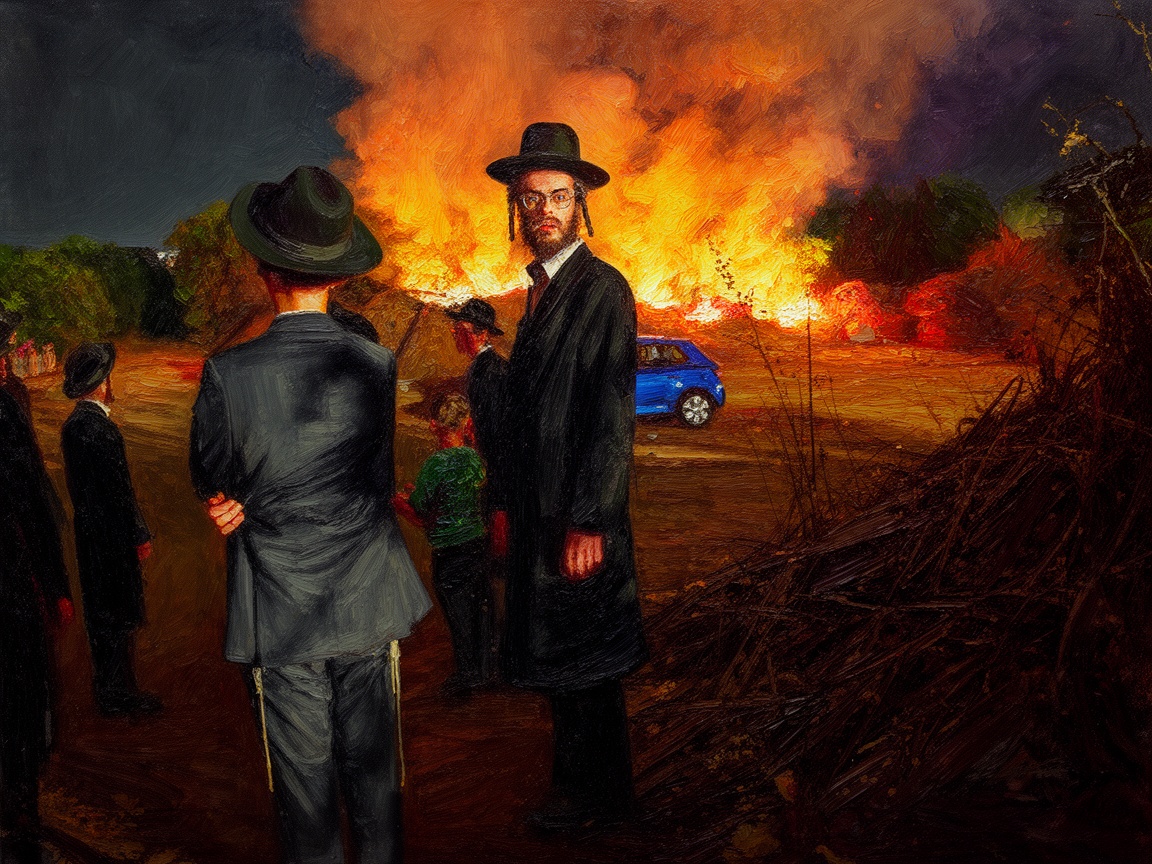
Recent protests in Israel over the ultra-Orthodox military draft have turned violent, reflecting a significant societal rift. Demonstrators, primarily from the ultra-Orthodox community, are opposing the draft, which many perceive as an infringement on their traditional values and way of life. On multiple occasions, confrontations with police have escalated, resulting in injuries and arrests.
This struggle over military service involves critical issues surrounding national identity, obligations, and the role of different communities within Israeli society. The ultra-Orthodox community's resistance has prompted intense debates within the Knesset, Israel's parliament, threatening the stability of the ruling coalition government led by Prime Minister Benjamin Netanyahu.
The situation has reached a boiling point, with protests spreading across major cities. As clashes become more frequent, the potential for broader unrest grows, drawing in political figures who support or oppose the draft. This conflict highlights the tensions between secular and religious segments of Israeli society and poses a challenge to the government's ability to maintain order.
Operationally, the Israeli military's draft policy is pivotal in maintaining its defense capabilities. Should the protests continue and escalate, it could lead to significant implications for Israel's national security strategy, particularly if there are disruptions in recruitment.
Going forward, the Israeli government faces a critical juncture. It must navigate the delicate balance between enforcing the draft and addressing the grievances of the ultra-Orthodox community. The outcome of this situation may redefine the political landscape in Israel, influencing future policies on military service and cohesion within Israeli society.