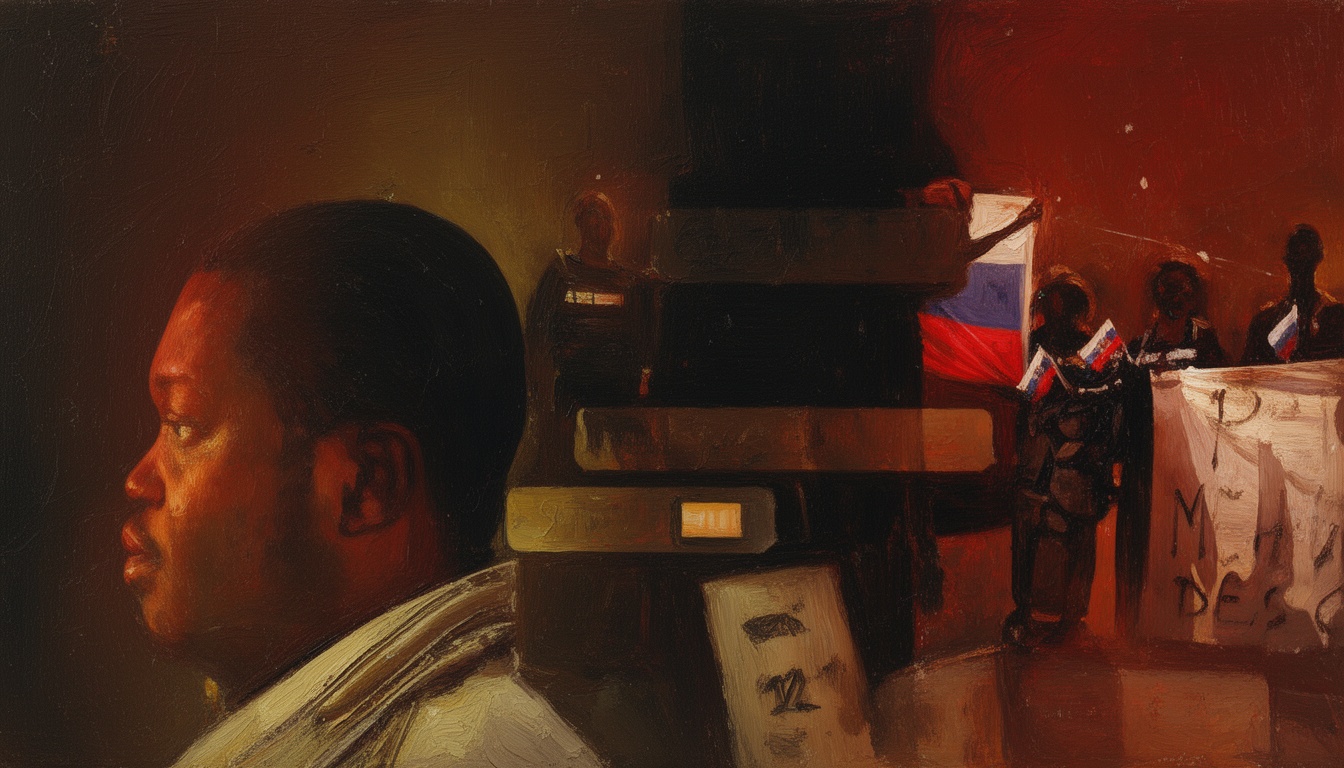
Wagner's Disinformation Network Exposed as France Denies Asylum
A whistleblower reveals the Wagner Group's operations in Africa, facing asylum denial in France. This raises questions about national security and journalism ethics.
Ephrem Yalike-Ngonzo, a former operative within Russia's disinformation campaign in the Central African Republic, has provided critical insights into the Wagner Group's vast disinformation network across Africa. His revelations highlight the complex layers of interests intersecting between journalism, national security, and asylum policies. Despite his contribution to exposing manipulation tactics employed by the Wagner Group, French authorities, initially supportive of evacuating him from perceived threats, unexpectedly denied his asylum application.
This shift followed an intervention reportedly backed by the French presidency, which had intended to extract Yalike-Ngonzo and his family from a dangerous situation. The abrupt reversal has raised significant concerns over France's asylum policies, especially regarding individuals involved in critical disclosures about national security threats. Such actions open a dialogue about the balance between government operations and the protection of whistleblowers, particularly those exposing foreign disinformation campaigns.
Strategically, the denial may reflect France’s apprehension about potential repercussions from Russia, as well as the broader implications for other whistleblowers within similar contexts. The European Union has emphasized the necessity of protecting whistleblowers who contribute to exposing disinformation, yet this episode demonstrates the limitations and risks inherent in such protections, especially when state interests are involved.
Yalike-Ngonzo's testimony emphasizes the extensive reach of the Wagner Group and its influence on regional stability in Africa, as it engages in information warfare under the guise of military support. The disinformation campaigns have sought to undermine trust in local institutions and amplify divisions among populations, complicating efforts to maintain peace and security.
Moving forward, this incident underscores the pressing need for coherent policies that prioritize the safety of whistleblowers while effectively addressing disinformation tactics employed by foreign actors. The outcome of Yalike-Ngonzo’s case will likely set a crucial precedent for how nations handle similar circumstances in the future and could influence France's approach to asylum applications linked to national security issues.