Week in Pictures: Military Events and Political Shifts
This report analyzes key military and political events globally. Highlights include Russia's Victory Day parade.
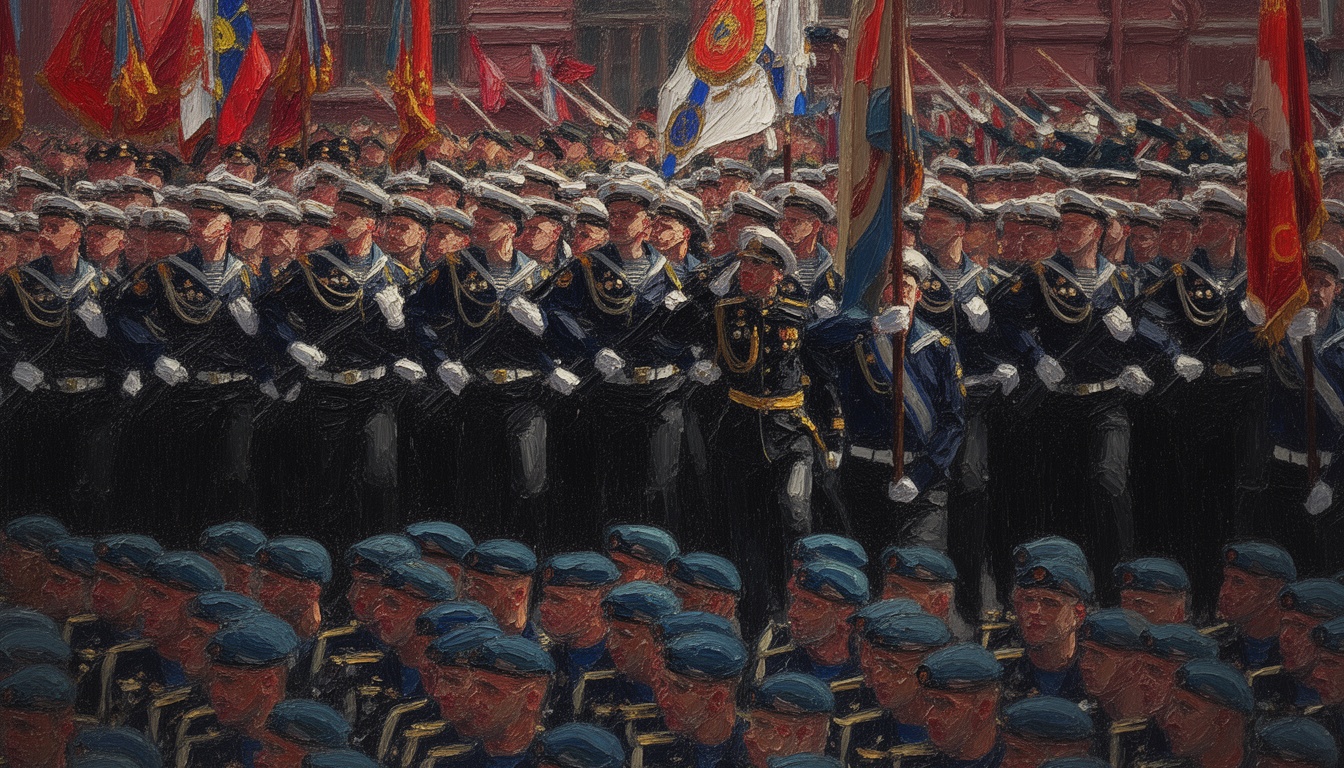
Russia hosted its annual Victory Day parade on May 9, marking the 78th anniversary of the victory over Nazi Germany. This year, the display was notably subdued, without the usual display of heavy weaponry. It marks the first time in nearly two decades that such heavy military assets, including tanks and missile systems, were absent from the event. President Vladimir Putin referenced the ongoing conflict in Ukraine during his speech, emphasizing Russian military resilience.
In the United Kingdom, the Reform UK party has reported substantial advances in local and regional elections held recently. Known for its anti-immigration stance, the party made significant gains, reflecting shifting political sentiments among the electorate. The results suggest an increasing polarization in UK politics, affecting the dynamics of traditional parties.
Across Europe, the rise of far-right parties continues to be a notable trend. In a series of local elections, right-wing parties have gained ground, prompting concern among mainstream political groups. Analysts note that this reflects broader societal anxieties about immigration and economic stability fostered by the ongoing geopolitical crises.
Military ceremonies, such as Russia's modest Victory Day parade, have gained significant attention as nations grapple with military readiness and political narratives. The absence of heavy weaponry in Russia's parade is seen as a strategic choice amid current geopolitical tensions, particularly concerning perceptions of military might.
These developments have potential implications for regional security and diplomatic relations, as the rise of right-wing movements may affect alliances and policy-making. Key players will need to monitor these shifts closely to navigate the changing landscape of international relations.