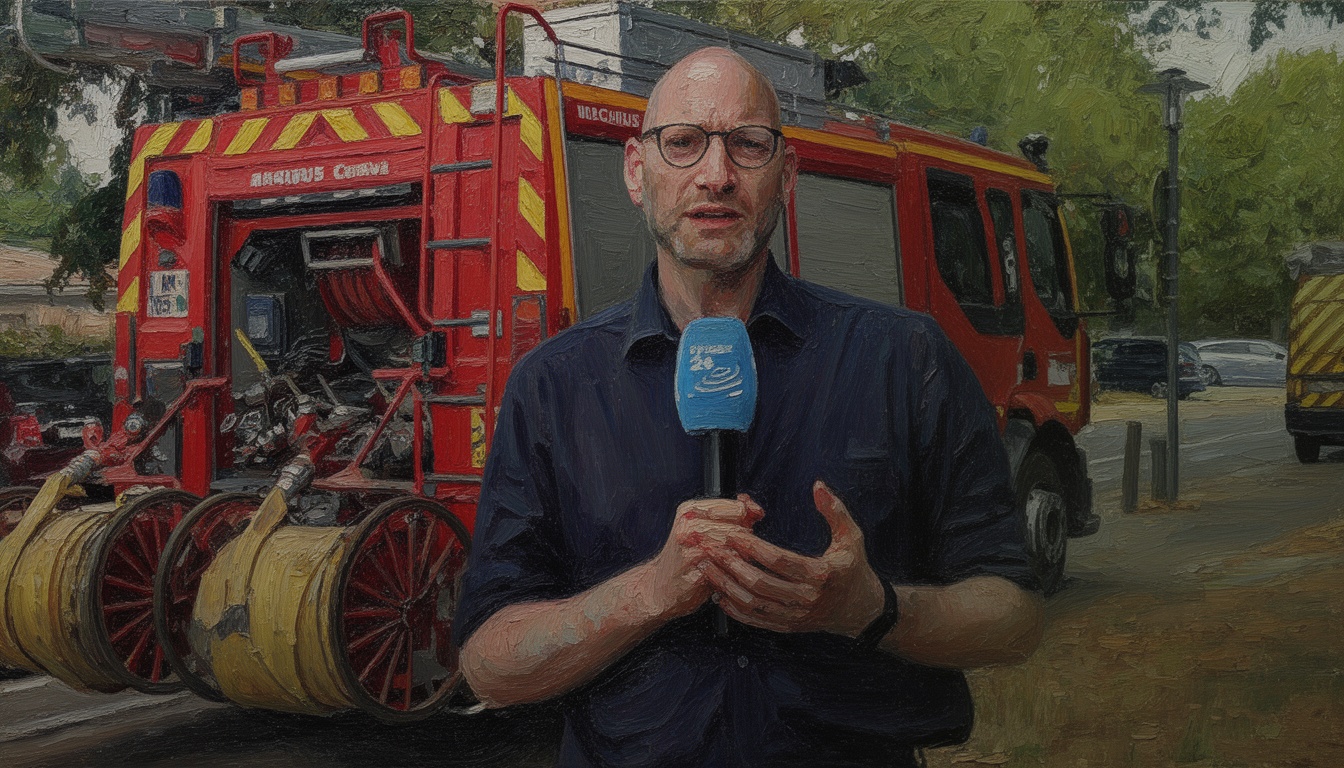
Wildfires in France Spark Major Emergency Response
Severe wildfires in France are prompting extensive firefighting efforts, with civilian farmers assisting. The situation increases risks for European forest management and agricultural stability.
Severe wildfires in France, particularly in the region of Lège-Cap-Ferret, are creating one of the most significant firefighting crises since World War II. Civilian farmers have initiated efforts to assist by supplying tankers filled with water to support the firefighters battling the flames.
These wildfires have exacerbated vulnerabilities in European forest management as they occur during a critical summer period, raising concerns about agricultural stability across the continent. The cooperative response from farmers exemplifies community strength in the face of environmental disasters that threaten local infrastructure and biodiversity.
Strategically, the wildfires challenge the effectiveness of emergency response protocols in Europe. The need for coordinated firefighting efforts emphasizes the necessity of robust regional policies to address climate-related disasters, which are becoming increasingly prevalent in the domain of international security.
Operationally, farmers transporting water tankers represent innovative grassroots participation in firefighting operations. As of now, there are no official casualty figures, but the damages to local economies and ecosystems are anticipated to be significant.
As wildfires continue to ravage areas of France, long-term consequences will affect European agricultural policies and the overall resilience of ecosystems. The ongoing situation highlights the urgent need for enhanced disaster management strategies and collaborative approaches among nations facing similar challenges.