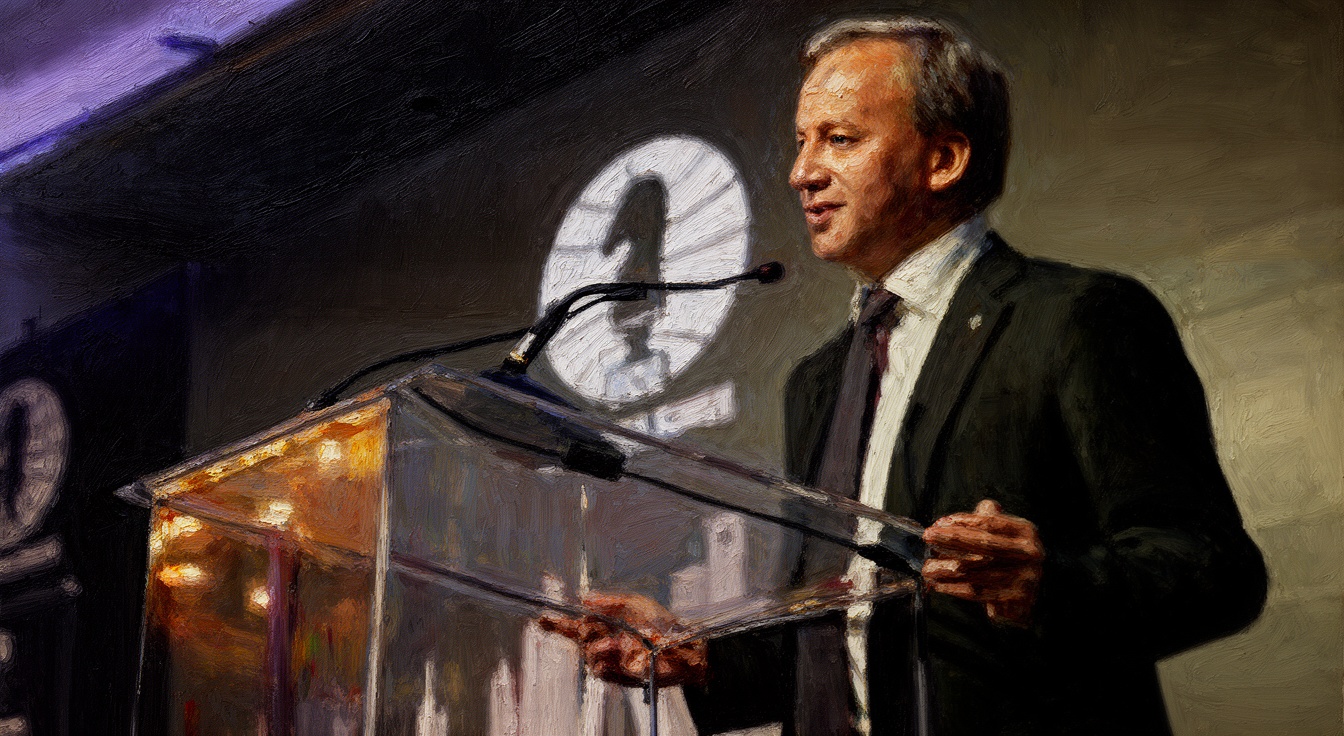
World Chess Federation President Faces EU Sanctions Over Russia
Arkady Dvorkovich, President of the World Chess Federation, is facing significant EU sanctions. The travel ban and asset freeze reflect growing pressures on individuals associated with Russia.
Arkady Dvorkovich, President of the International Chess Federation, is now subject to sanctions by the European Union due to his connections with Russia amid the ongoing conflict in Ukraine. Specifically, the EU has announced a travel ban and asset freeze against him. These measures highlight the EU's ongoing efforts to exert pressure on Russian officials and their associates.
Dvorkovich, a former Deputy Prime Minister of Russia, has been an influential figure in chess since taking over the federation in 2018. His leadership has been marked by efforts to promote chess globally, but his ties to the Russian government have now placed him under scrutiny. Following Russia's invasion of Ukraine, the EU has systematically targeted individuals perceived as enablers of the regime.
This development carries significant strategic implications as it underscores the broadening scope of sanctions affecting various sectors. The EU’s stance indicates an unwillingness to tolerate any affiliation with the Russian state, particularly from those in leadership positions within international organizations. This may extend to other officials within the chess community and lead to further disbanding of cooperation with Russian entities.
The specific sanctions against Dvorkovich involve a complete prohibition on travel within EU member states and a freeze on any assets he holds in the EU. These measures aim to limit his ability to operate free of interference and to signal to others that consequences will follow for association with the Russian leadership. This escalation in sanctions reflects the EU's commitment to its sanctions regime.
Looking ahead, the outcomes of these sanctions against Arkady Dvorkovich may reshape the leadership dynamics within the chess federation and provoke a response from other chess officials. This could catalyze a larger movement to distance international sporting organizations from Russian influence, thereby affecting the sport's global landscape in the long term.