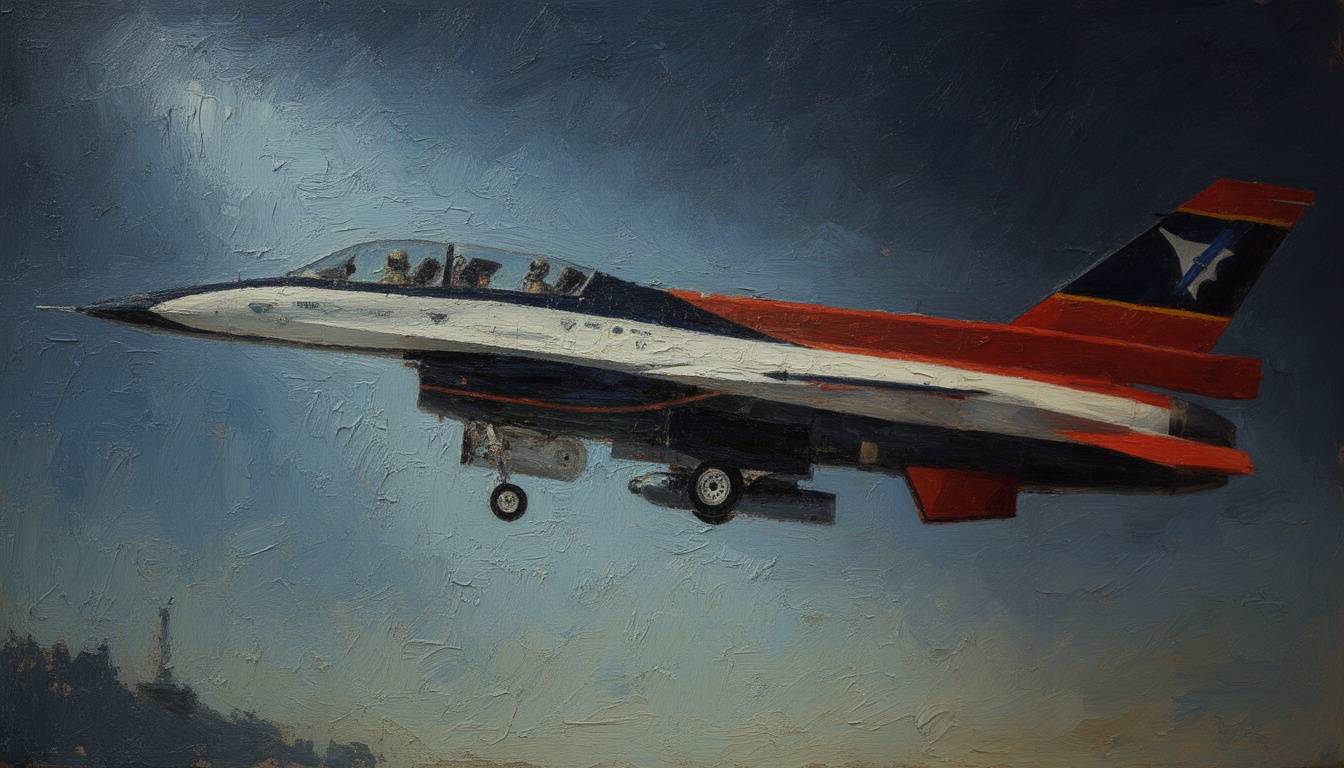
X-62A Successfully Autonomously Intercepts T-38 Using AI Pod
The X-62A demonstrated advanced capabilities by autonomously using sensor data to intercept an aerial target. This achievement holds significant implications for future unmanned aerial systems and combat air capabilities.
The X-62A aircraft successfully demonstrated its ability to autonomously intercept a T-38 training aircraft using its Infrared Search and Track pod. This capability marks a significant advancement in the integration of artificial intelligence in aerial combat systems, aligning with the US Air Force's goals for future combat capability assessment (CCA) drones.
Previous tests of the X-62A have revealed intentions to leverage onboard sensor data to engage threats without pilot intervention. By using AI-driven decision-making processes, the aircraft can identify and engage targets in complex aerial environments, a necessity for future unmanned combat missions. This current test emphasizes the shift towards automation in aerial combat, reducing the risk for human pilots.
The strategic significance of the X-62A lies in its potential to revolutionize aerial warfare. As nations increasingly develop unmanned systems, mastering autonomous target engagement could provide a decisive advantage in combat operations. Understanding the tactical landscapes and engaging swiftly will be paramount as threats evolve.
Operationally, the X-62A with its advanced Infrared Search and Track pod is designed to detect and identify enemy aircraft across various scenarios. The AI system processes vast amounts of data in real-time, allowing rapid engagement decisions while adapting to changing battlefield dynamics. This represents a leap forward in military technology, shaping the future of air operations.
Consequences of this development could reshape aerial engagements, aiming for reduced human casualties and improved mission effectiveness. As the USAF continues to refine its capabilities, the success of the X-62A could prompt other nations to accelerate their investments in similar technologies, further intensifying global competition in military aviation.