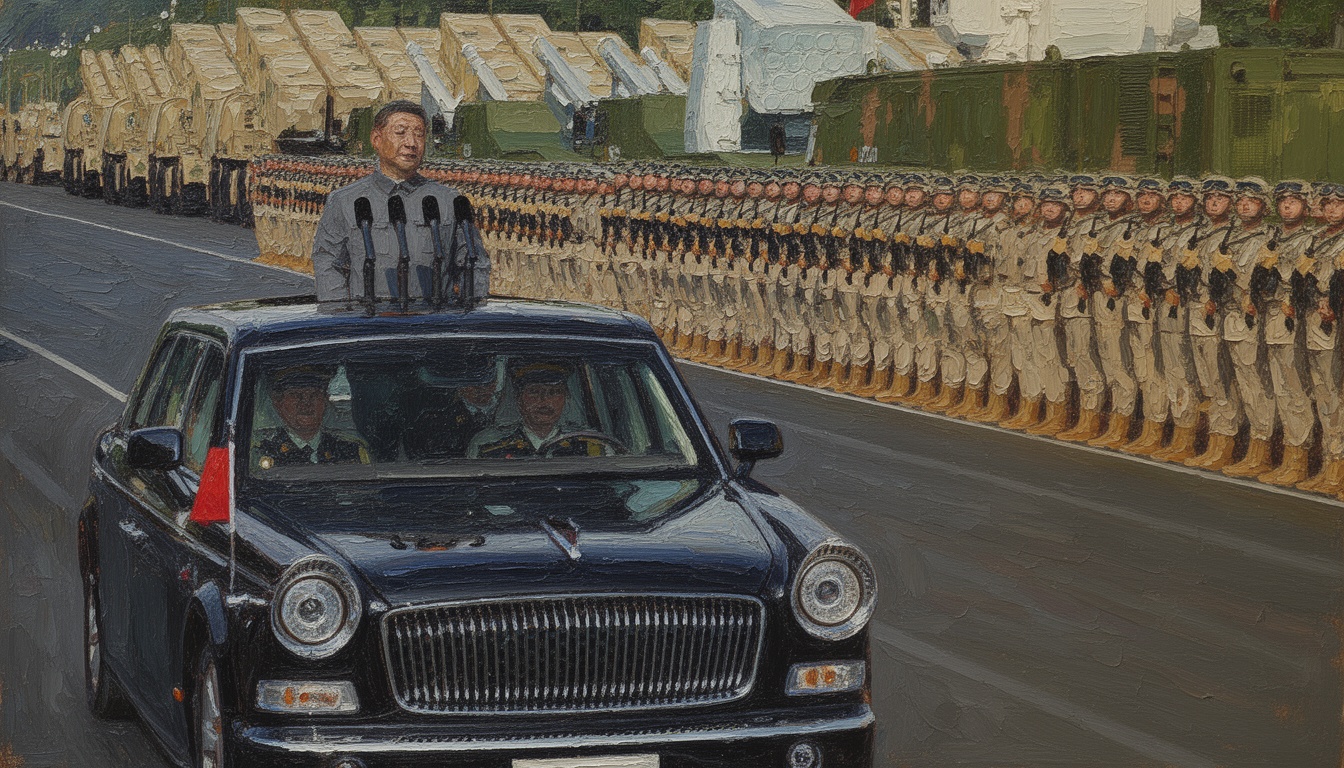
Xi Jinping Calls for Enhanced Military AI Integration
China's military modernization effort emphasizes artificial intelligence advancements. Xi Jinping's directive may reshape the PLA's strategic capabilities significantly.
Chinese President Xi Jinping has urged the People's Liberation Army (PLA) to intensify its integration of artificial intelligence (AI) to develop a modernized and intelligent military. During a study session with the Politburo, Xi emphasized the importance of strengthening the military application of unmanned intelligent technologies. He stated that the PLA should work on deepening the development and utilization of network information systems while gradually establishing a sophisticated intelligent military framework.
This directive aligns with China's broader strategy to enhance military capabilities through technological advancements, marking a pivotal moment in the PLA's modernization efforts. The emphasis on AI signals a shift towards more autonomous operational capabilities, which may alter the balance of power in regional military dynamics. By investing in these technologies, China aims to improve its combat efficiency and decision-making processes within its armed forces, reflecting a global trend towards digitization in warfare.
The strategic implications of this push for AI integration are significant. As military rivals also pursue similar advancements, China's commitment to enhancing the use of unmanned technologies and AI poses a potential challenge to established military powers. The PLA's focus on intelligent military systems could lead to improved situational awareness, rapid decision-making capabilities, and potentially transformative combat strategies.
It was noted that the PLA is celebrating its 99th anniversary, further highlighting the importance of these developments in the context of China's military history and future direction. As the global landscape continues to evolve, the PLA's adaptation of AI technologies could enhance China's deterrent capabilities and reshape military confrontations, particularly in sensitive regions such as the South China Sea and along the Taiwan Strait.
Looking ahead, the successful implementation of AI in military operations will depend on both technological innovation and strategic planning. The international community will be closely monitoring China's progress in these areas as they could influence global military strategies and alliances in the coming years.