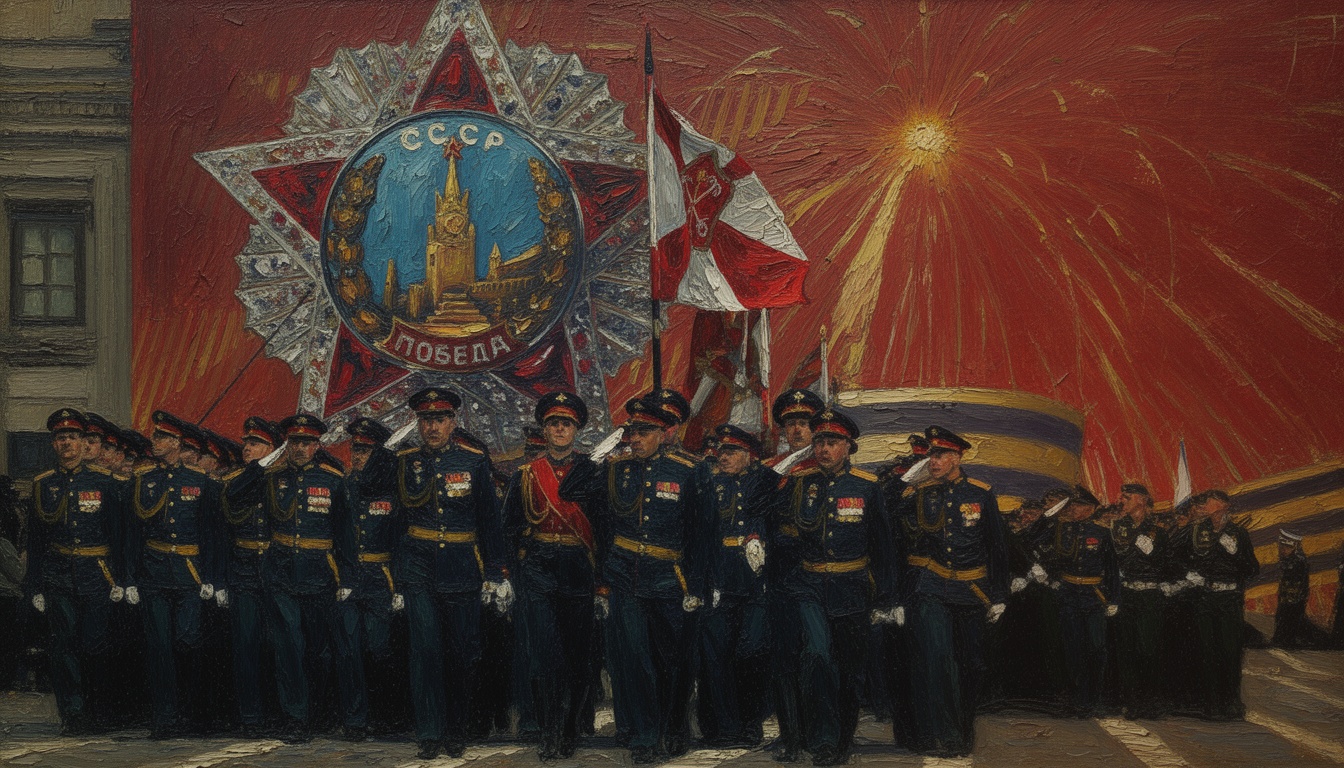
Zelensky Issues Warning to Russia's Allies on WWII Parade
Ukrainian President Volodymyr Zelensky cautions Russia’s allies against participating in the May 9 WWII victory parade. Moscow threatens to strike Kyiv, escalating tensions ahead of the event.
Ukrainian President Volodymyr Zelensky issued a stark warning on Thursday, urging Russia’s allies not to attend the upcoming World War II victory parade in Moscow scheduled for May 9. This warning comes as tensions continue to rise, particularly with Moscow reiterating its threats to target Kyiv on the same day. The warning aims to deter any participation from nations that may seek to align themselves with Russia amidst its ongoing war with Ukraine.
Amidst these developments, Moscow declared a unilateral ceasefire from May 8 to May 10. However, the Russian military has advised residents of Kyiv to evacuate the city due to the potential risk of a retaliatory strike during the parade. This announcement has heightened fears of increased hostilities and has put Ukraine on high alert for possible military actions.
The strategic implications of Zelensky’s warning cannot be understated. Emphasizing unity, Ukraine seeks to isolate Russia diplomatically and militarily, warning countries that engagement with Moscow during this sensitive period could further embolden Russian aggression. This diplomatic maneuver aims to raise awareness among the international community regarding the seriousness of the situation in Ukraine.
Technical assessments suggest that the Russian military is prepared to execute its threats if deemed necessary, and Ukrainian defense forces remain in a heightened state of readiness. As Ukraine braces for potential assaults, its military strategies appear focused on countering any sudden Russian initiatives, particularly during significant public events.
The likelihood of escalated conflict remains high as global reactions to Zelensky's warning unfold. Countries supporting Ukraine may reconsider their relationships with Russia in light of these threats and potential military actions, which could shift the balance of power in the region significantly. Analysts suggest that maintaining solidarity among NATO and allied nations will be crucial for deterrence against further Russian advances.