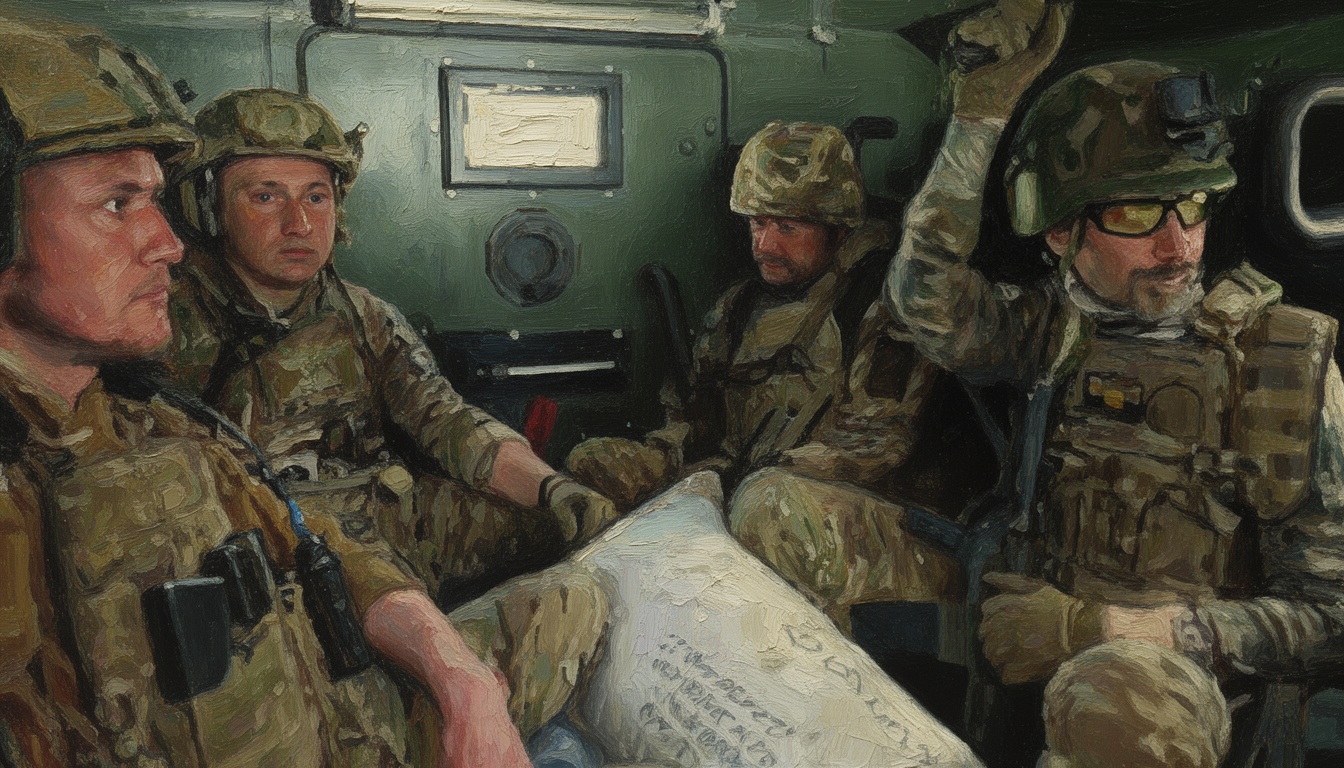
Zelensky Proposes Meeting with Putin Amid Ceasefire Call
Ukrainian President Volodymyr Zelensky has called for a face-to-face meeting with Russian President Vladimir Putin, seeking a ceasefire. The proposal comes as tensions grow following increased Ukrainian attacks.
Ukrainian President Volodymyr Zelensky has made a rare overture to Russian President Vladimir Putin, proposing a face-to-face meeting to discuss a ceasefire. This came in an open letter on Thursday, shortly after Putin acknowledged the need to strengthen Russia's air defenses due to a series of attacks from Ukraine. The Kremlin indicated that Putin had not yet been presented with the letter but suggested that Zelensky could travel to Moscow for discussions 'any time.' However, Zelensky dismissed this option in his letter, underscoring a lack of trust between the two leaders.
The proposal for a direct dialogue underscores the precarious situation in Ukraine. With Russia's recent acknowledgment of its air defense shortcomings, the potential for a discussion could signal a willingness to negotiate, though the reality remains convoluted given the ongoing conflict. Each side has faced significant pressures, with Ukraine bolstering its military capabilities in response to Russian aggression.
From a strategic perspective, Zelensky's call for a ceasefire highlights the urgency of de-escalation in a conflict that has already led to considerable civilian and military casualties. Positioning Ukraine for a robust negotiation stance while ensuring its sovereignty appears to be a principal objective for the Zelensky administration in this overture. Meanwhile, the Kremlin's conditional response accentuates the tension and distrust that envelops the ongoing conflict.
In terms of military implications, both nations are adjusting their military strategies as the conflict persists. The Kremlin's admission concerning air defenses indicates operational vulnerabilities that Ukraine may exploit, yet the prospect of meeting suggests a fragile opening for diplomacy. Both sides retain heavy artillery deployments and advanced systems, maintaining readiness for potential escalatory moves.
Looking ahead, the chances of a meaningful dialogue rest on both leaders' ability to navigate existing mistrust and on-ground realities. The international community will watch closely as the situation develops, particularly with winter approaching, which may affect strategic calculations and troop movements on both sides. A ceasefire, if achieved, could lead to a temporary reprieve from hostilities, but the pathway remains fraught with challenges.