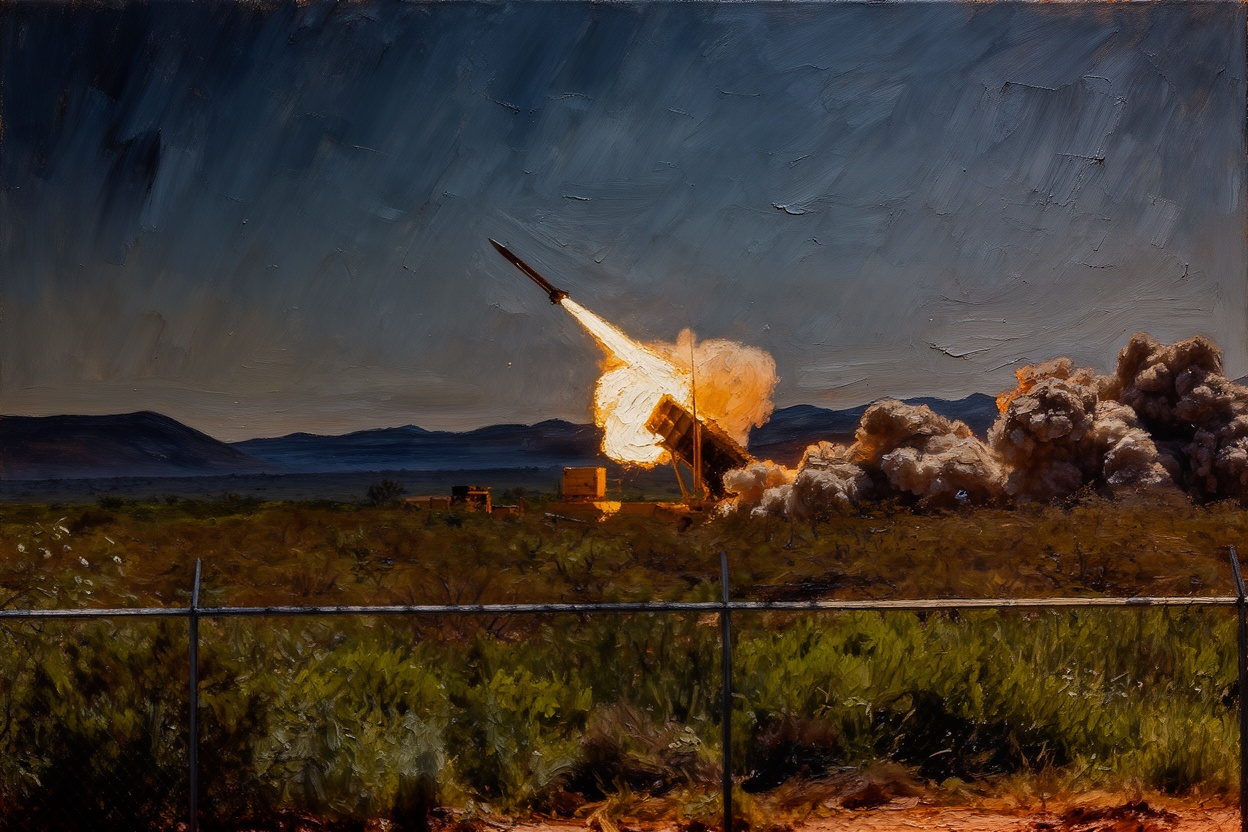
Zelenskyy Seeks European Allies for Freya Missile Defense System
Ukraine initiates collaboration for a domestic ballistic missile defense system. This move aims to provide a cost-effective alternative to existing systems against Russian threats.
Ukrainian President Volodymyr Zelenskyy is mobilizing European allies to develop a new ballistic missile defense system named Freya. This initiative is part of an effort to create a more affordable alternative to the United States’ Patriot missile systems, which have been extensively used to combat Russian missile threats. The first coalition meeting to discuss this project is scheduled to take place in France within the next few days.
The development of Freya comes amid ongoing conflicts with Russia, as Ukraine seeks to enhance its defense capabilities. The urgency for a homegrown solution has become critical due to the high costs and operational complexities associated with procuring advanced missile defense systems from outside sources. By fostering collaboration with European nations, Ukraine aims to leverage shared expertise and resources in defense technology.
Strategically, this initiative highlights Ukraine's commitment to bolster its military capability while reducing dependency on external powers. The focus on a domestic solution signifies a shift towards greater self-reliance in defense matters. Additionally, it may strengthen Ukraine's diplomatic ties with Western partners and reaffirm their collective commitment to countering Russian aggression.
Technical specifications for the Freya system are yet to be detailed, but its design is expected to include modern interceptors capable of engaging a variety of aerial threats. By working closely with European nations, it is believed that the development process will incorporate advanced technologies that align with NATO standards, enhancing interoperability with allied forces.
The implementation of the Freya ballistic missile defense system could have significant implications for regional security. If successful, this initiative may strengthen Ukraine's defensive posture against Russian missile strikes, contributing to a more stable security environment in Eastern Europe. Consequently, it could serve as a deterrent against further aggression while reinforcing Ukraine's position in the NATO framework.