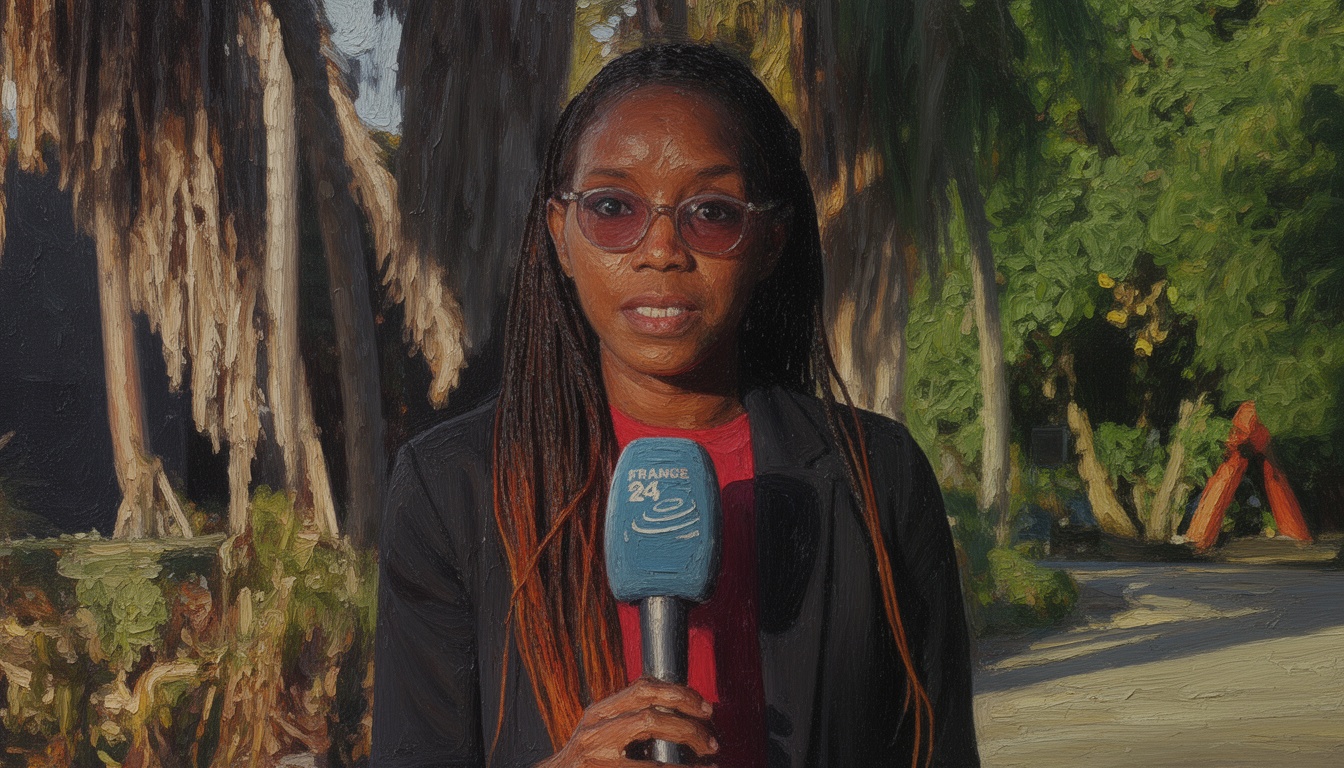
Zimbabwe Elected to UN Security Council
Zimbabwe's election marks a pivotal moment for its international role. As a member of the UN Security Council, it may influence global security policies.
The United Nations General Assembly on Wednesday elected Zimbabwe, along with Austria, Kyrgyzstan, Portugal, and Trinidad and Tobago, to the UN Security Council. These countries will serve two-year terms starting on January 1, 2027. This election adds significant voices to the 15-member body responsible for critical global security decisions. The UN Security Council holds the unique authority to impose sanctions and authorize the use of force, making its member countries influential players on the international stage.
Zimbabwe's inclusion in the Council provides an opportunity for the nation to elevate its diplomatic presence and contribute to discussions that shape international security dynamics. This is particularly significant as Zimbabwe has sought to enhance its international relations after years of isolation. Its role in the Security Council could potentially impact the country's foreign policy and global defense engagements.
This election comes at a time when the UN Security Council faces a multitude of challenges, including regional conflicts, humanitarian crises, and geopolitical tensions. Countries like Zimbabwe can bring new perspectives and insights, particularly from the African continent, which is often underrepresented in global discussions.
The weight of decisions made by the UN Security Council cannot be overstated. As a body that can enact legally binding measures, the implications of Zimbabwe's membership extend beyond its borders. Its participation might influence important resolutions regarding sanctions, peacekeeping missions, and military interventions in conflict zones.
Looking ahead, Zimbabwe's role in the UN Security Council could lead to increased diplomatic engagements and opportunities for collaboration with other member nations. The potential for its leadership in various initiatives within the UN framework could reshape its global image and enhance its leverage in international affairs.