
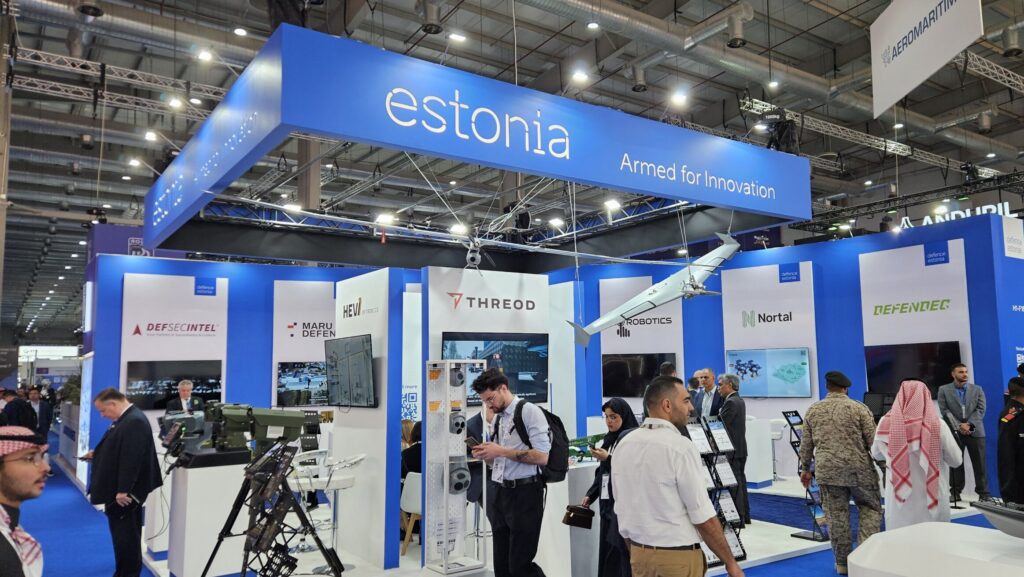
Estonian defense officials, led by Siim Sukles, have announced the initiation of discussions with Saudi Arabia regarding potential collaborative efforts in defense procurement. This exploration comes as both nations recognize the importance of aligning procurement strategies within the increasingly interconnected global defense market. Such a partnership could lead to joint ventures or procurement agreements that would benefit both countries strategically and economically.
The strategic context of this development underscores the evolving landscape of international defense procurement, where nations are increasingly interested in forming strategic alliances to enhance their military capabilities. For Estonia, a small but NATO-aligned country, this collaboration signals a shift towards diversifying its defense resources and partnerships in the Middle East. For Saudi Arabia, enhancing cooperation with European nations aligns with its Vision 2030 plan, aiming to modernize its military and defense industries.
The key players involved in this initiative include the Estonian Ministry of Defense and Saudi Arabia's military procurement authorities. Estonia aims to leverage its advanced cyber capabilities and expertise in digital governance, while Saudi Arabia seeks to bolster its military modernization efforts, focusing on cutting-edge technologies and systems. Both countries stand to benefit from shared technology, training, and possibly joint development projects.
The regional implications of this procurement collaboration could be significant. As Saudi Arabia seeks to diversify its defense procurement sources away from traditional partners like the United States, partnerships with European countries could create a new axis of defense cooperation. This shift may alter existing alliances in the Middle East and North Africa (MENA) region, prompting neighboring states to reassess their own defense ties and procurement strategies.
Historically, Estonia and Saudi Arabia have maintained minimal direct defense interactions. This initiative marks a notable turning point and may set a precedent for similar partnerships in the region, particularly as other Middle Eastern nations explore cooperation with European states. Additionally, Estonia's participation can enhance its operational readiness and adaptability through exposure to new military technologies and strategies.
In conclusion, this development represents not just a bilateral initiative but a potential widening of security partnerships that could reshape defense collaboration in the MENA region. Analysts will continue to monitor this situation closely to assess future procurement agreements and their implications for regional stability and security architecture.