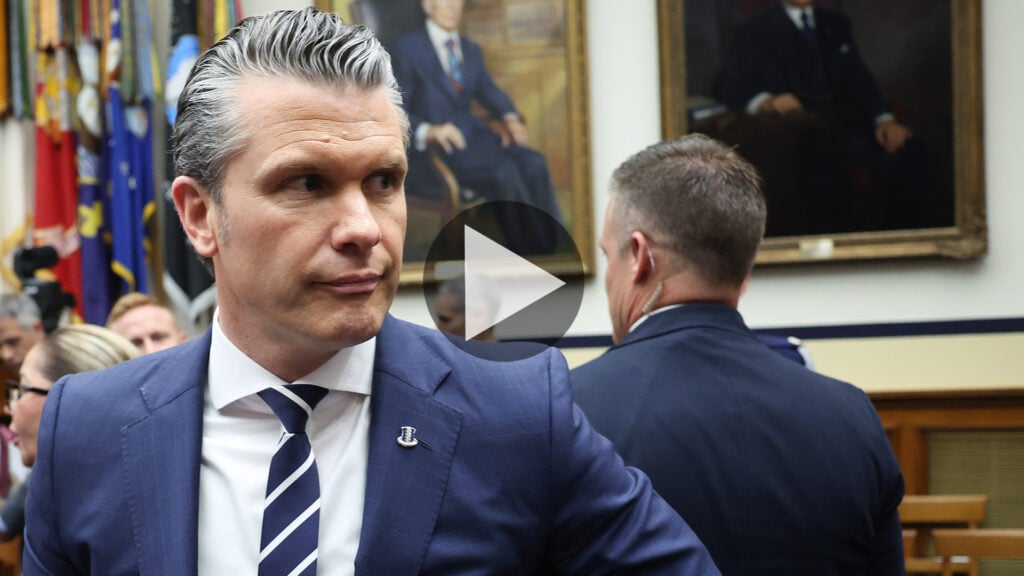
Pete Hegseth recently appeared before the House Armed Services Committee, where he provided insights on various military matters. His testimony is expected to have significant implications for defense policy debates within the committee. By addressing key issues faced by the armed forces, Hegseth’s appearance has garnered attention from multiple stakeholders, including lawmakers and defense analysts.
The House Armed Services Committee plays a critical role in shaping U.S. military strategy and funding allocations. Hegseth, known for his strong positions on military readiness and defense initiatives, likely aimed to influence committee members on pressing issues such as equipment modernization, troop welfare, and military engagement strategies. His presence signals an ongoing dialogue about the future direction of U.S. military policy.
Strategically, experts anticipate that Hegseth’s testimony could resonate beyond the committee room, potentially impacting broader discussions about defense budgets and military readiness in Congress. As the U.S. faces evolving global threats, the perspectives shared during such hearings can be pivotal in determining future resource allocation and military engagements.
Operationally, issues raised during Hegseth’s testimony included discussions about troop levels, readiness metrics, and the integration of new technologies into military operations. As Congress deliberates on these matters, Hegseth’s insights could inform legislative decisions that affect the operational capabilities of the armed forces.
The potential consequences of Hegseth’s appearance are significant. As policymakers consider adjustments to military frameworks and funding, the testimonies of influential figures like Hegseth can shape the trajectory of U.S. defense posture. Analysts will closely monitor the outcomes of the committee’s discussions to assess how they align with or diverge from current military objectives and strategies.