Mali Crisis Escalates with Attacks from Separatists and Jihadists
CONFLICTO

Mali Crisis Escalates with Attacks from Separatists and Jihadists

ÁFRICA
RESUMEN EJECUTIVO

Mali faces rising insecurity as separatists and jihadists intensify their operations, threatening regional stability. The situation warrants immediate international attention and response.

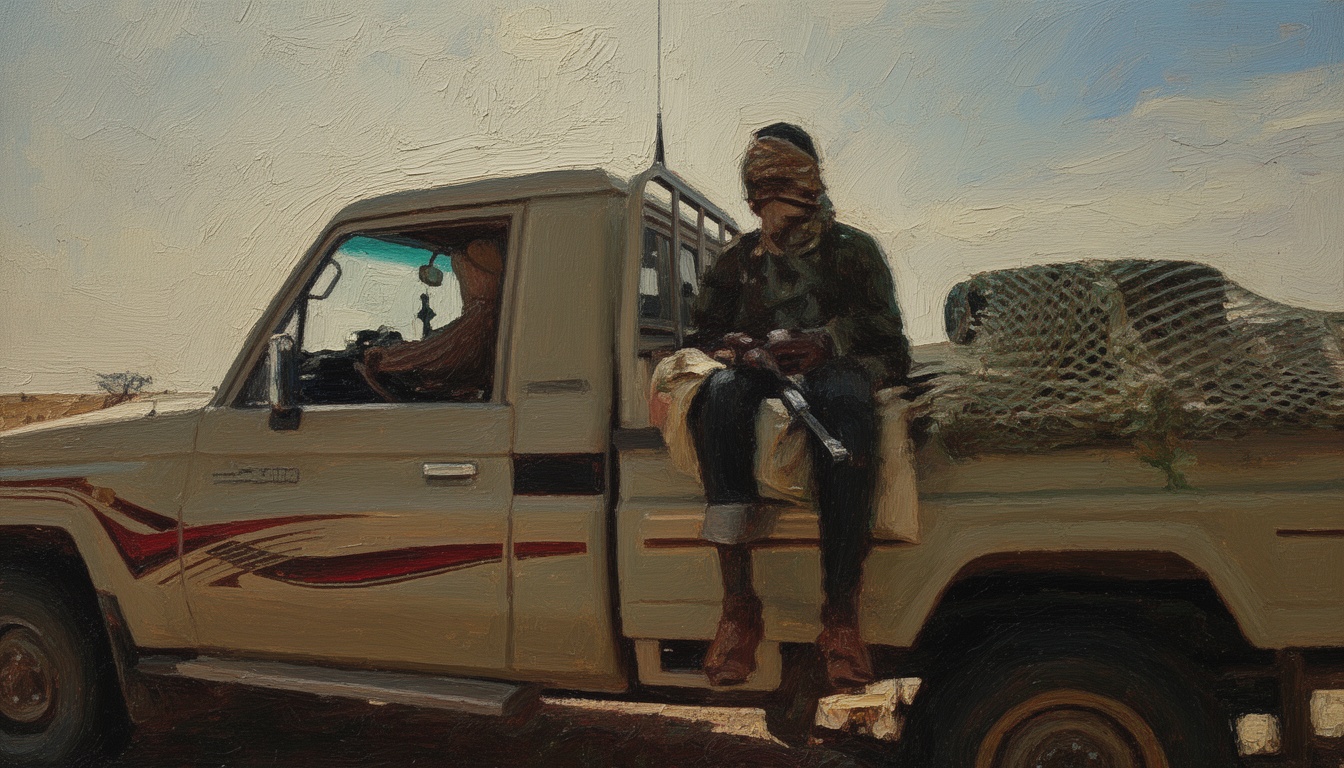
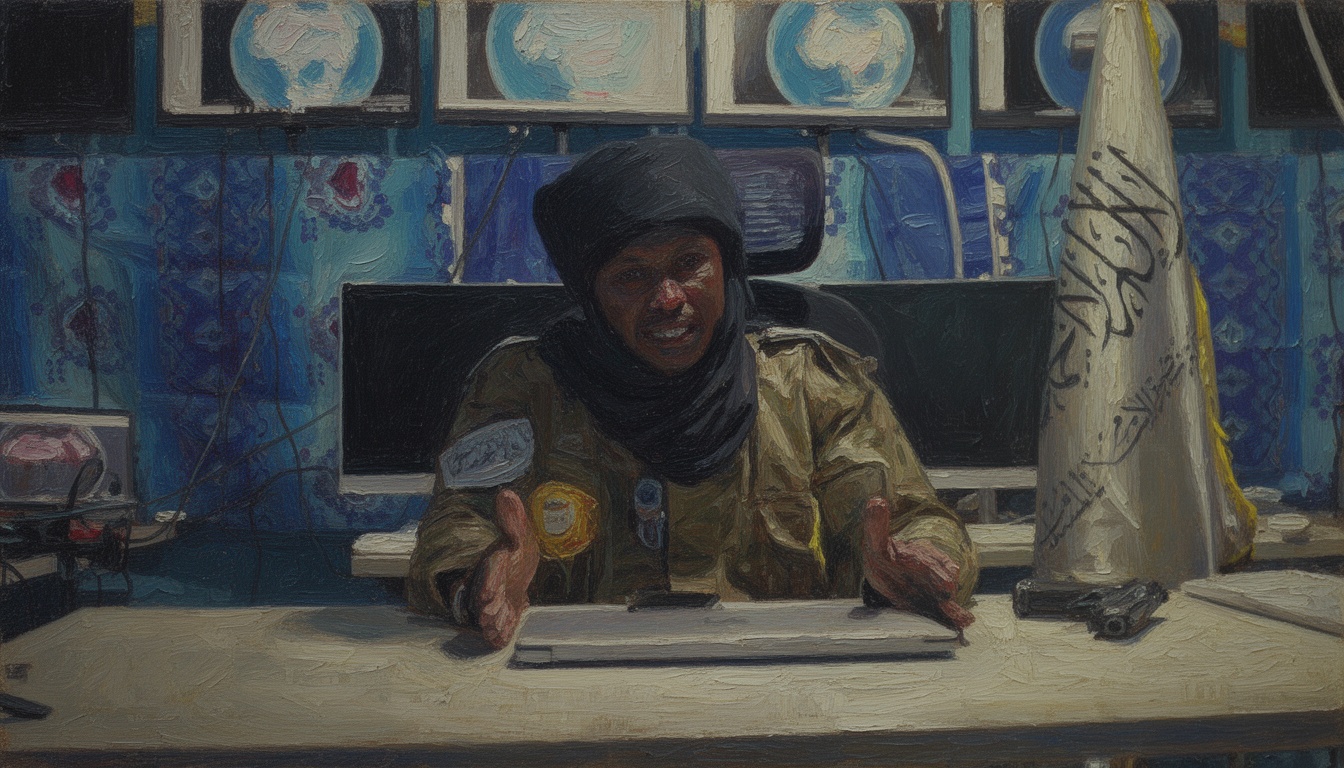
Mali’s military has launched airstrikes on Kidal in response to escalating attacks from the separatist group Azawad Liberation Front (ALF), which has claimed control over parts of the region. Concurrently, the situation has worsened with coordinated operations by the jihadist group JNIM, which has been actively challenging the government's authority and increasing the threat to civilians.

Historically, Mali has faced a complex tapestry of conflicts driven by ethnic tensions, separatist ambitions, and jihadist insurgencies. The Azawad Liberation Front's resurgence highlights the fragile state of governance in northern Mali, where the influence of these non-state actors has grown significantly. The lack of effective governance and security has provided fertile ground for both separatist and extremist movements to flourish.

The strategic implications of this crisis cannot be overstated. As the rebels push for greater territorial control and the expulsion of Russian military personnel assisting the government, the blockade of roads into the capital Bamako threatens to further isolate the city and strain supply lines. This might lead to significant humanitarian challenges as resources dwindle and struggles for survival heighten among the civilian population.

Operationally, the Malian armed forces are likely to increase their military efforts amidst these challenges. Recent strikes in Kidal are an indication of a broader strategy to reassert control. However, with the escalating insurgency from jihadist groups, especially as they collaborate with separatists, the Malian military may struggle to maintain any semblance of order and peace. The presence of Russian forces, seen as a counterbalance, raises questions about their future role.

In the foreseeable future, Mali may experience further escalations in violence and instability. If the international community fails to respond promptly, the nation could descend into deeper chaos, affecting not just Mali but also the broader Sahel region, already troubled by extremism and political instability.
INTELIGENCIA DE FUENTE
INTELIGENCIA RELACIONADA
Mali Crisis Deepens as Defence Minister Killed, Town Captured
ÁFRICA
POLÍTICA GLOBAL

Mali Crisis Deepens as Defence Minister Killed, Town Captured

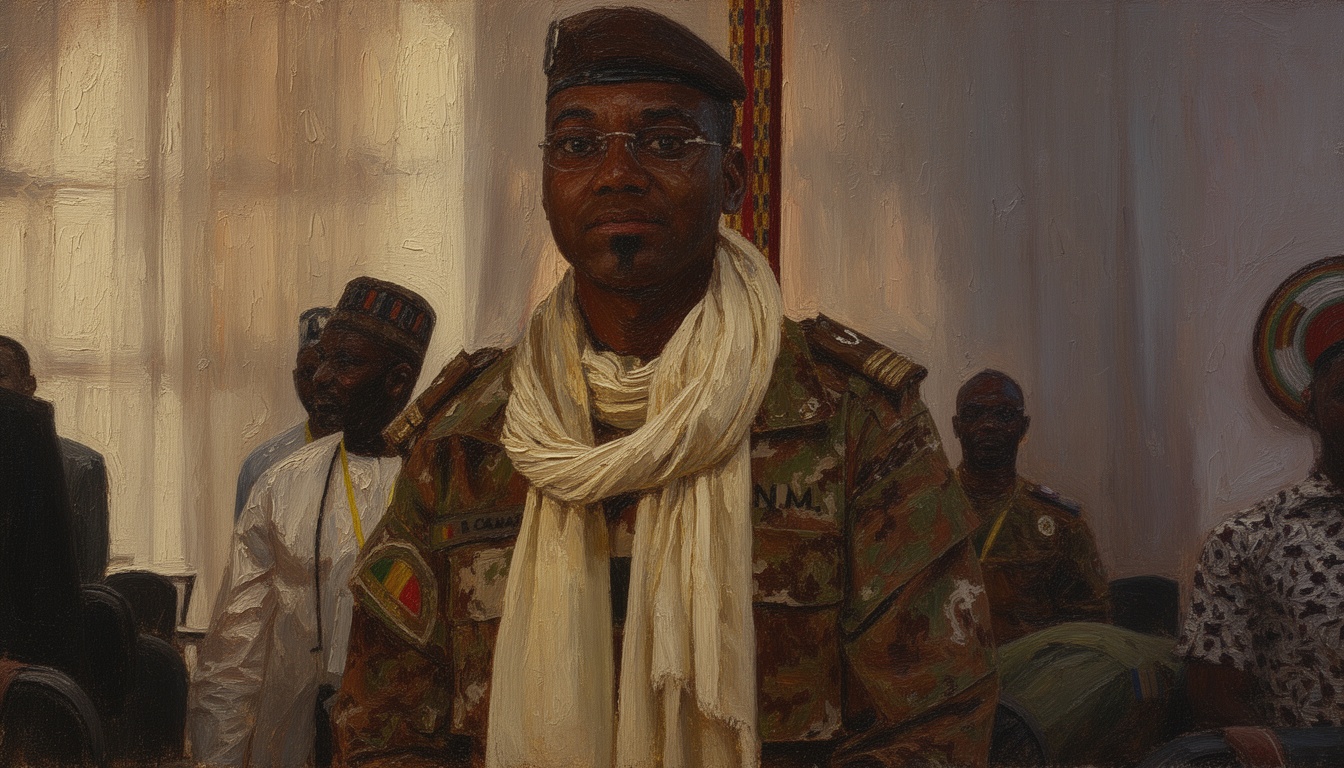
Mali’s ruling military junta faces a fresh security crisis following coordinated weekend attacks by jihadists and Tuareg rebels. The defense minister was killed, and a northern town reportedly fell under rebel control. With the junta’s leadership conspicuously absent, the situation signals a widening challenge to Mali’s fragile state stability and regional security dynamics.

HACE 3DLEER
Mali Attacks Across Bamako, Kati, Kidal Escalate Crisis
ÁFRICA
POLÍTICA GLOBAL

Mali Attacks Across Bamako, Kati, Kidal Escalate Crisis

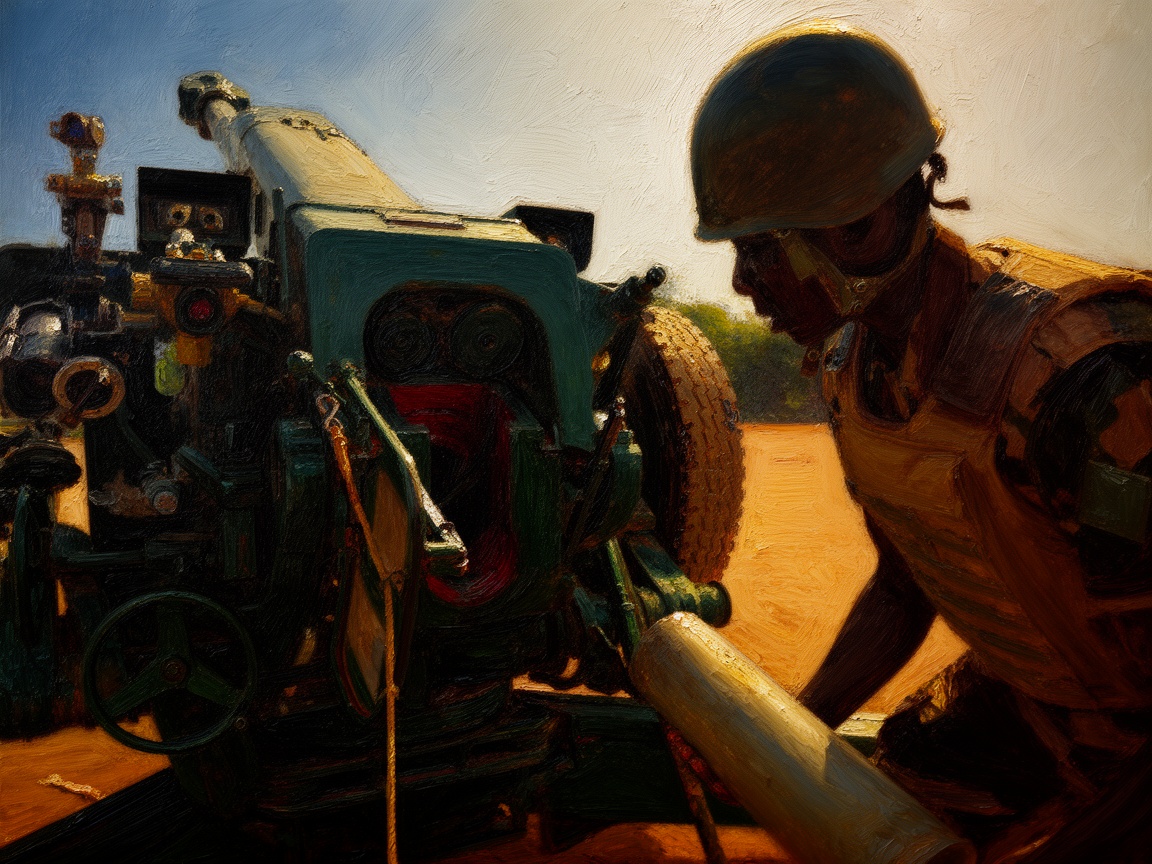
Coordinated assaults strike multiple Malian urban centers, including the capital. The army reports armed groups targeted strategic locations, signaling a deliberate escalation in the Sahel. The incident raises regional security concerns and tests Bamako’s resilience and international support mechanisms.

HACE 5DLEER
Armed groups claim attacks across Mali
ÁFRICA
POLÍTICA GLOBAL

Armed groups claim attacks across Mali

A coalition of an Al-Qaeda-linked group and Tuareg rebels launches a multi-site assault on Malian security forces. The operation targets Bamako's outskirts and a key military base, signaling a major escalation in the country’s insurgency. The attacks underscore the country’s fragile security environment and complicate junta-led governance amid regional volatility.

HACE 4DLEER
Unprecedented Scale and Coordination in Mali Attacks
ÁFRICA
CONFLICTO

Unprecedented Scale and Coordination in Mali Attacks

Mali confronts clashes between its army and rebel groups across multiple cities, with the scale and coordination of assaults described as unprecedented. The development signals a potential shift in regional security dynamics and raises questions about state capacity and counter-insurgency efforts.

HACE 5DLEER