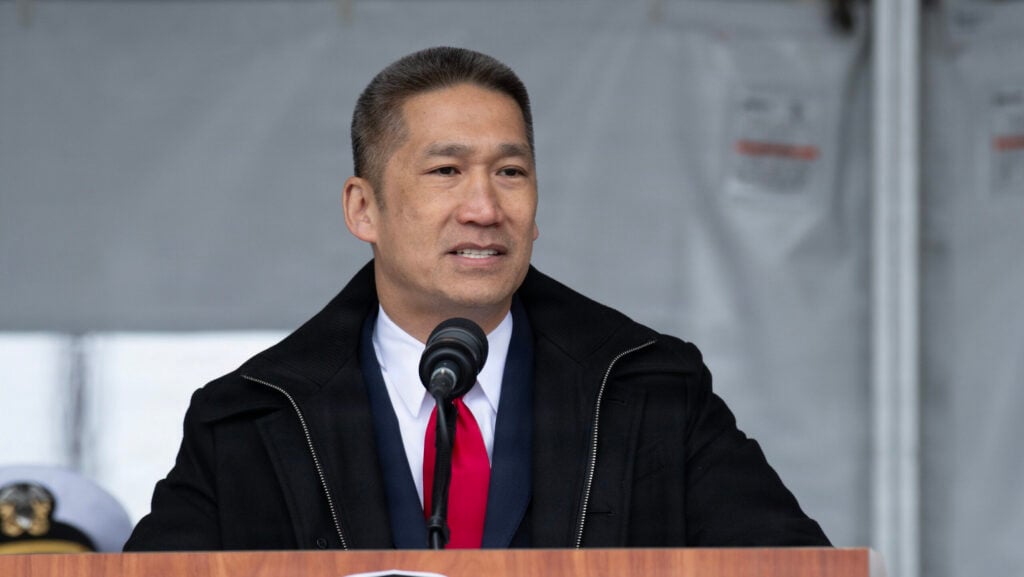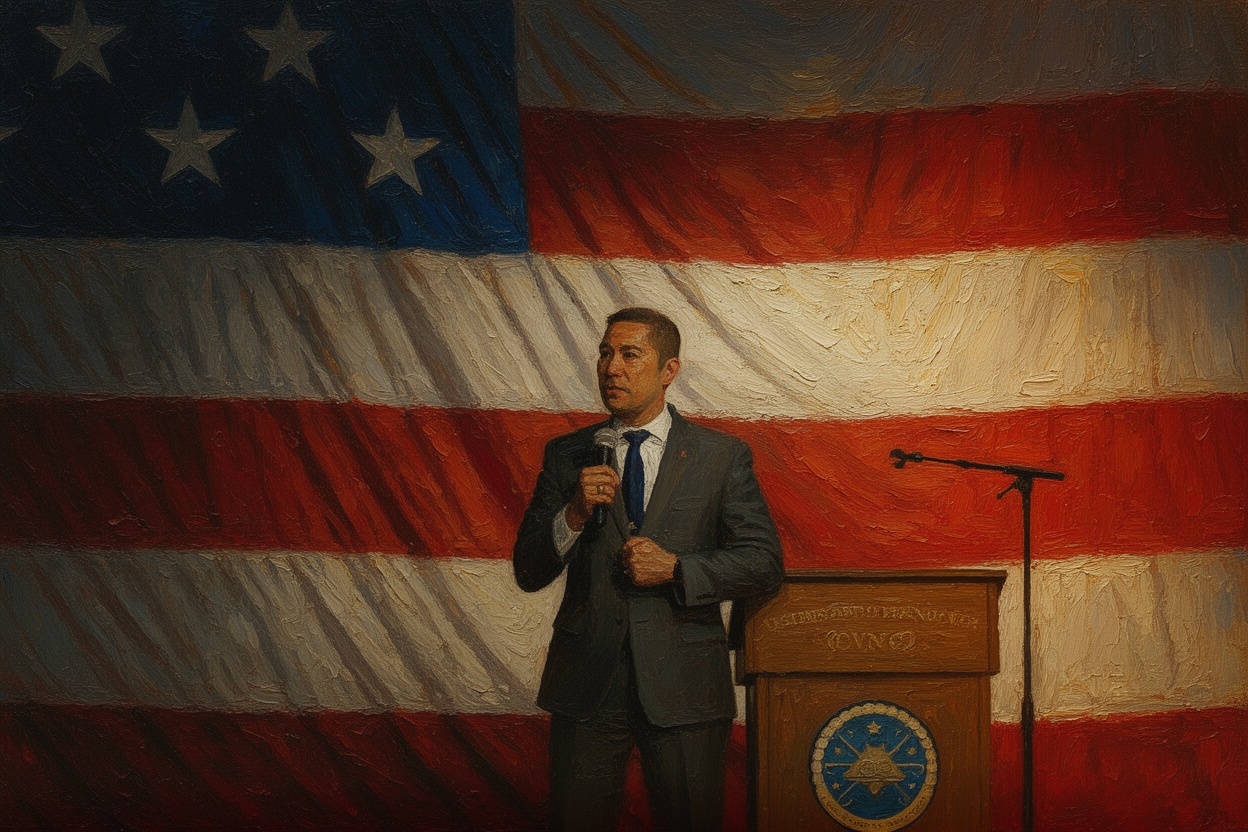
In a significant address, Acting Navy Secretary Hung Cao asserted a vision focused on enhancing the U.S. Navy's combat readiness and personnel standards. This strategic direction includes a call for a more capable fleet and the promotion of 'Alpha' troops, underscoring a preference for rigorous criteria in personnel selection. Cao explicitly rejected the inclusion of 'cross-dressers' and 'leaf eaters', terms indicating a desire to prioritize what he perceives as traditional military values over inclusivity initiatives.
Background context reveals a Navy undergoing scrutiny over recruitment and retention challenges. The service faces the dual pressures of increasing global threats and a changing social landscape that demands a delicate balance of diversity and operational capability. These remarks reflect a broader tension within U.S. military policy as it navigates inclusion while striving for enhanced battlefield effectiveness.
Strategically, this stance may align with certain factions within the military and public that advocate for a return to conventional military standards amidst rising geopolitical threats. As U.S. adversaries bolster their naval capabilities, a focus on traditional military ethos could serve to unify critical support from segments of the military as well as the electorate that prioritizes security over diversity initiatives.
Operationally, the implementation of Cao's vision could lead to changes in recruitment practices and training programs aimed at developing what he categorizes as 'Alpha' troops. This would likely involve reevaluating current selection criteria and reshaping how naval personnel are evaluated and trained, potentially constraining the scope of recruitment campaigns designed to attract a broader, more diverse applicant pool.
The potential consequences of this approach raise questions regarding the Navy's capability to adjust to future operational demands while maintaining personnel levels. The effectiveness of such a retracted approach, particularly in the context of heightened recruitment challenges and evolving threats, remains to be seen. Achieving a balance between maintaining traditional military standards and meeting social expectations will be crucial as the Navy looks to enhance its global standing and operational prowess in increasingly contested environments.