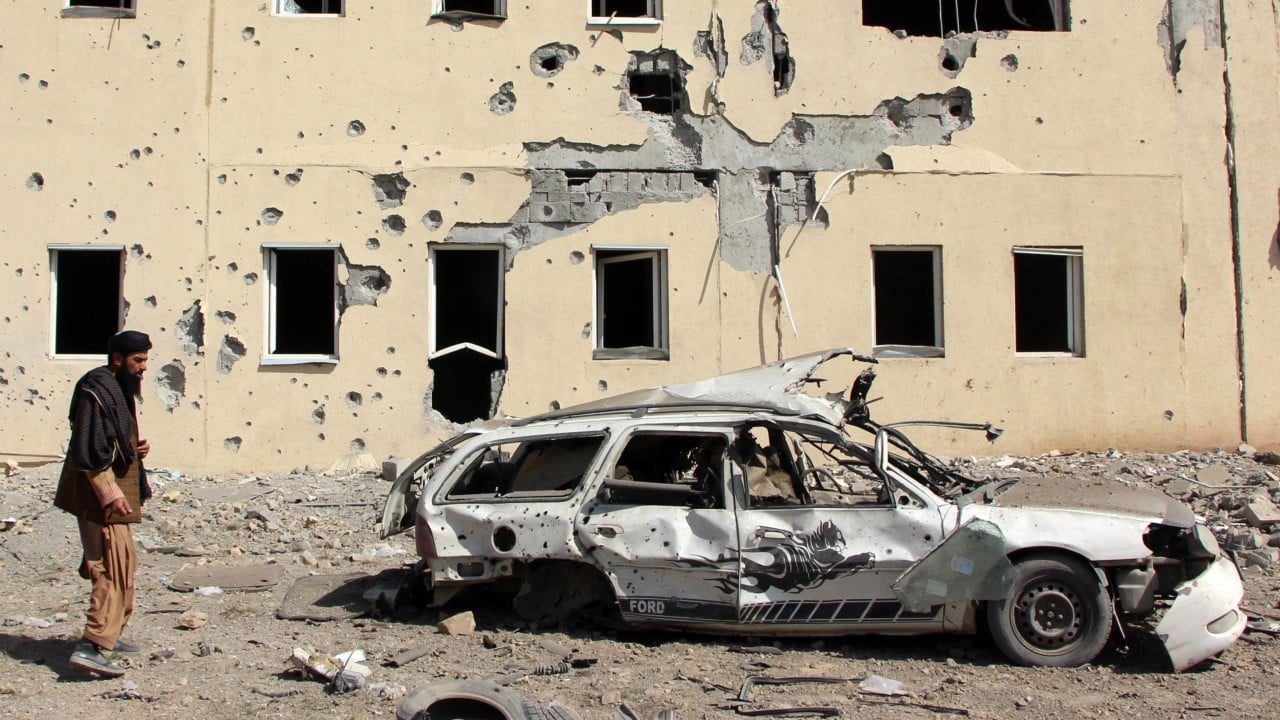
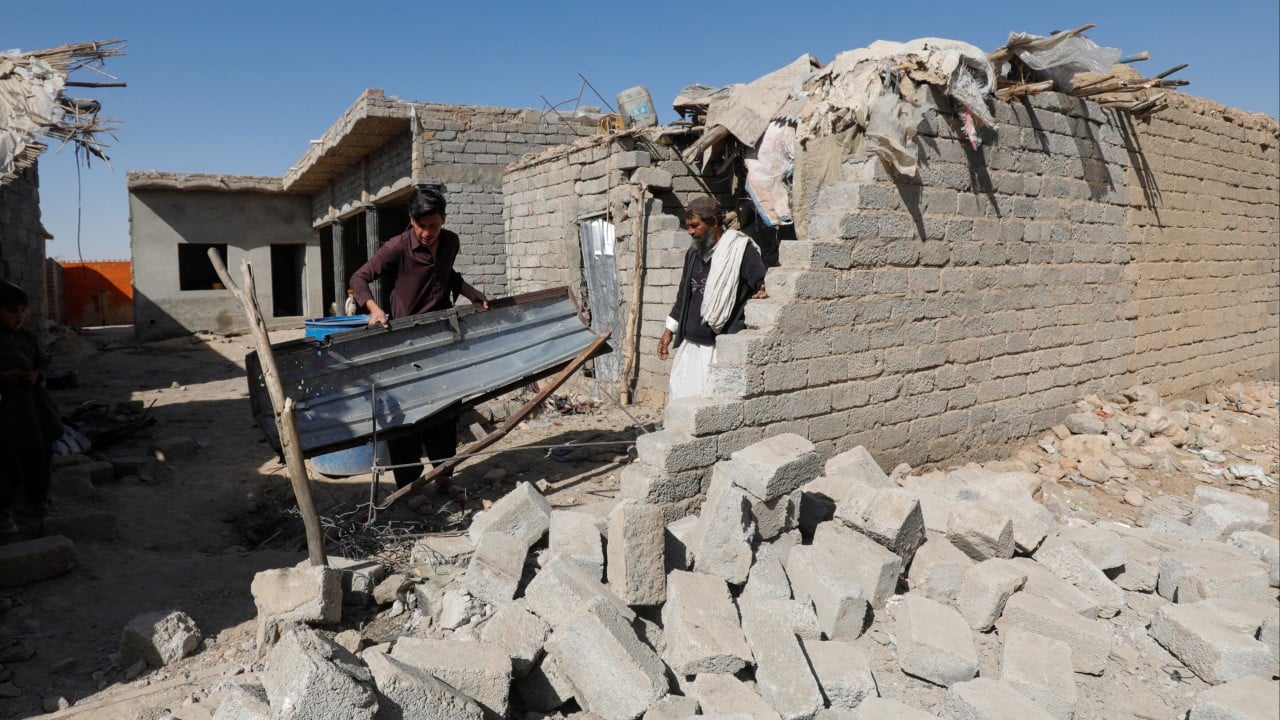
Pakistan's president, Asif Ali Zardari, declared a crisis following the Taliban's drone strikes targeting civilian areas within Pakistani territory, denouncing the assaults as having 'crossed a red line.' These strikes are part of a surge in violence that has resulted in significant civilian casualties. The situation has escalated tensions between the two countries, fueling fears of a broader conflict in South Asia.
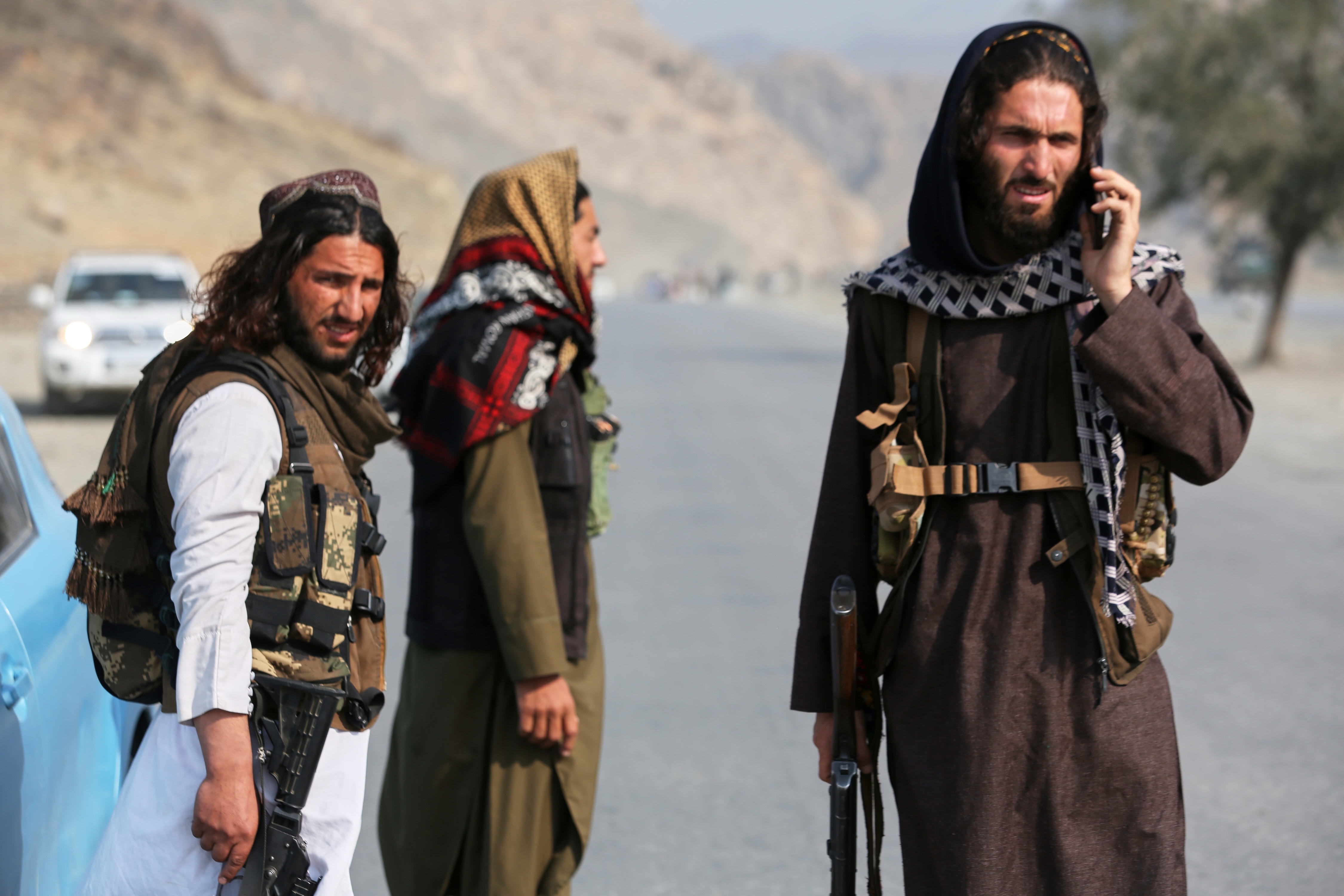
The current wave of violence stems from long-standing grievances between the Taliban and Pakistan, with border skirmishes increasing in frequency since the U.S. withdrawal from Afghanistan in 2021. The Taliban's resurgence has emboldened them to conduct operations beyond their borders, specifically against ethnic Pashtun populations and alleged militants harboring in Pakistan. The escalation of drone warfare reflects a shift in the Taliban's tactics, prioritizing strikes against perceived enemies even within civilian contexts.
Significantly, these drone strikes highlight the fragile security environment along the Afghanistan-Pakistan border, where militant activities are rampant, and the governance structure is weak. Increased attacks on civilians not only destabilize the region but also put Pakistan's security forces on alert, forcing them to recalibrate operational strategies. This development opens the door to possible retaliatory strikes from Pakistan, which may further militarize the border area.
Key actors in this crisis include the Taliban, driven by a desire for regional dominance and internal legitimacy, and Pakistan, which fears the erosion of its influence in Afghanistan and the risk of a spillover of militant activity into its territory. Zardari's warning serves as a clear signal that Pakistan will not tolerate incursions that threaten its national security, indicating the potential for imminent military action if the Taliban do not curb their operations.
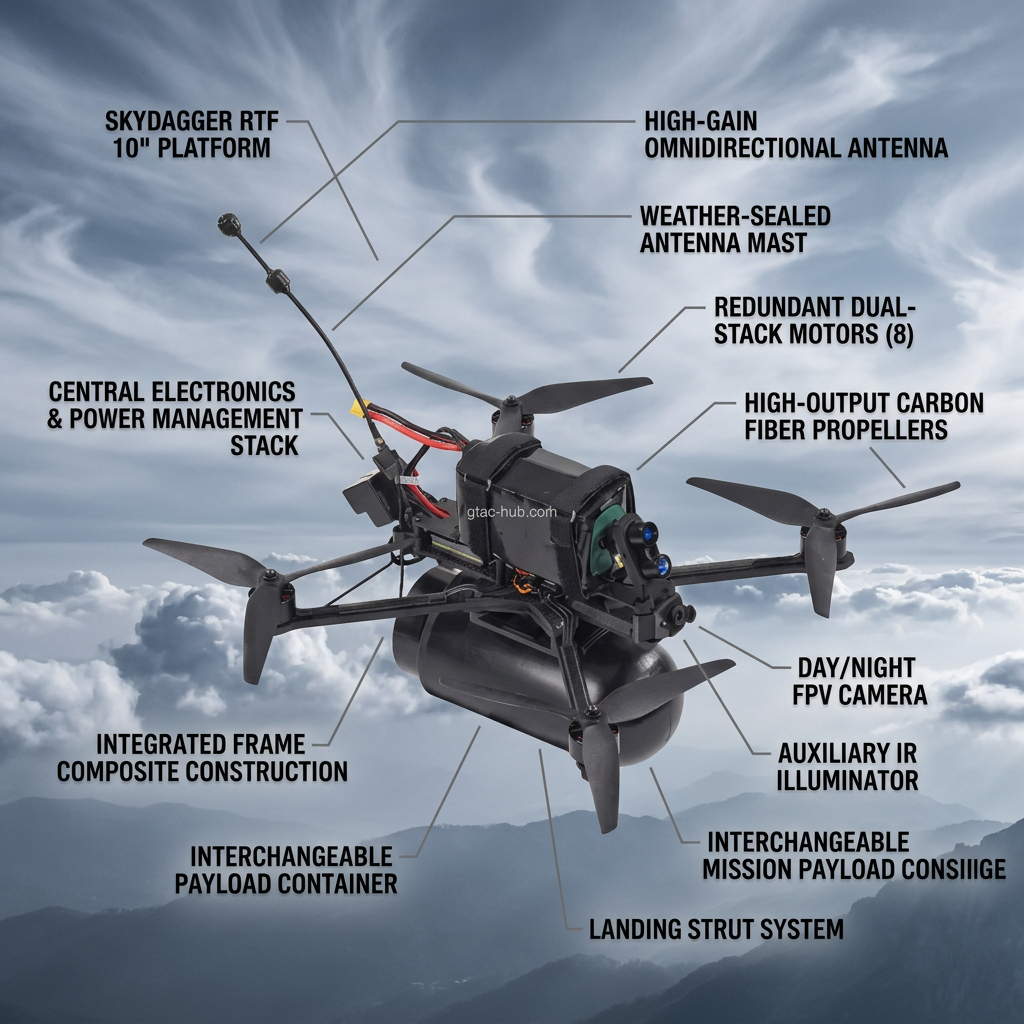
The technical capabilities of the Taliban, now reportedly possessing armed UAVs capable of launching precision strikes, raise alarm bells internationally. These drone attacks mark a paradigm shift in asymmetric warfare tactics across the region. Estimates of casualty figures range from dozens to over a hundred, underscoring the severity of the ongoing clashes and further escalating the humanitarian crisis along the border.
The prospects for peace appear bleak; as tensions continue to rise, both nations risk deepening their hostilities. The potential for escalation could lead to a significant military confrontation, as Pakistan retains extensive air force assets and may view retaliatory strikes as imperative to restore its sovereignty. Diplomatic interventions by powers like China may not suffice to quell the mounting violence.
Historically, this situation draws parallels with past Pakistan-India conflicts, wherein provocations have led to a rapid military escalation and prolonged tensions. The Pakistani government's firm stance against third-party involvement—particularly U.S. influence—adds another layer of complexity to these dynamics.
In the near term, intelligence watchers should focus on troop movements near the border, shifts in drone capabilities, and any changes in Taliban leadership rhetoric. Monitoring local civilian impacts from these military actions will also be critical, as civilian dissent could emerge as a wild card that may further destabilize the region in the long run.