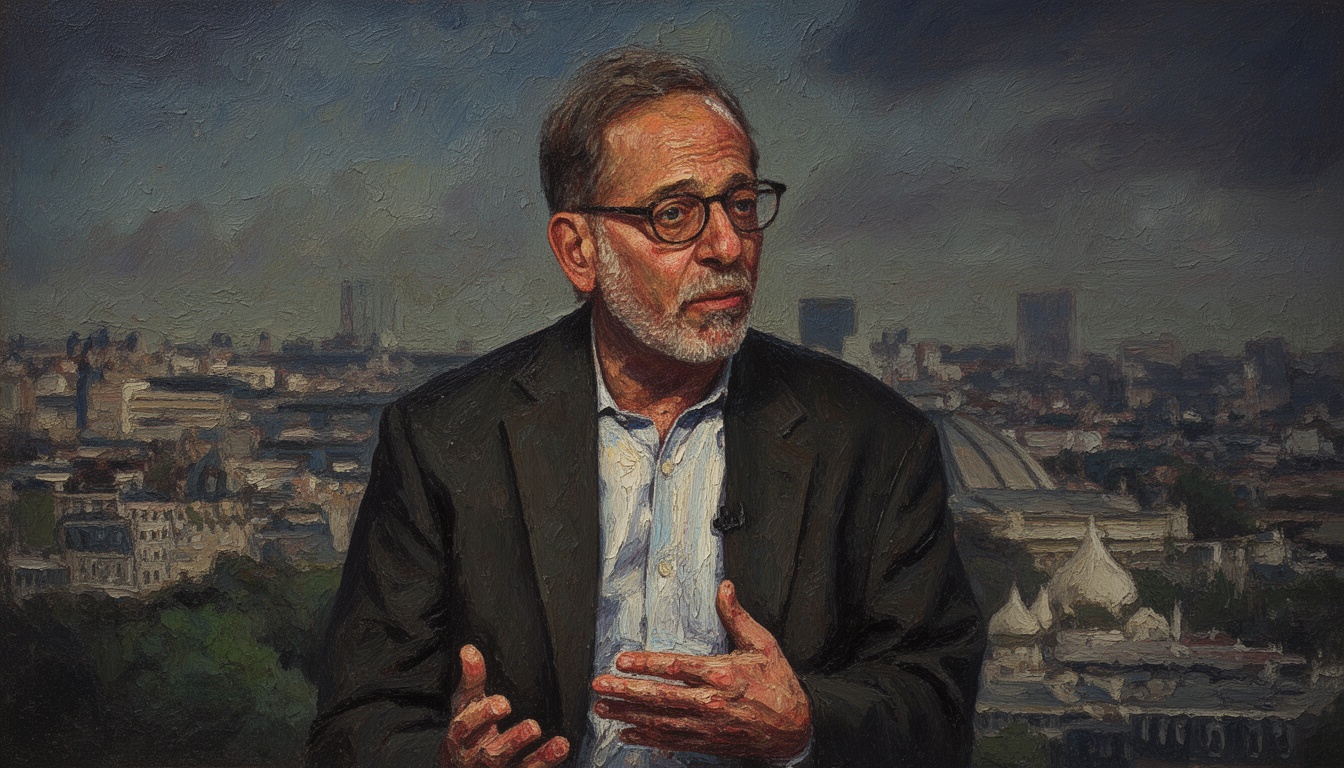
Historian Rashid Khalidi, a prominent voice on Palestinian history, asserts that despite ongoing challenges, the Palestinian people remain steadfast in their commitment to their land, which he believes can serve as a basis for future peace between Israel and Palestine.
Khalidi has dedicated significant time to documenting the Palestinian narrative, often referencing personal experiences from his own family. He argues that the attachment of millions of Palestinians to their homeland strengthens the possibility for dialogue and compromise between the two groups, as these individuals are not likely to abandon their claims to the land.
The historical context surrounding Khalidi's work reflects a deep-seated conflict that has persisted for decades, stemming from territorial disputes, historical grievances, and political struggles. The refusal of the Palestinian people to relinquish their heritage and connection to the land underlines a critical aspect of the broader conflict in the Middle East.
Khalidi’s insights come during his visit to Paris, where he engages with various audiences through appearances at cultural institutions such as the Arab World Institute. His discussions focus on the importance of understanding the Palestinian experience and the socio-political dynamics that shape it, highlighting an often-overlooked perspective in international discourse.
Looking forward, the ongoing resilience of the Palestinian people, as described by Khalidi, suggests a glimmer of hope for peace negotiations. As both sides are compelled to consider the realities on the ground, the potential for dialogue remains, albeit fraught with challenges that require sustained engagement and commitment from international stakeholders.