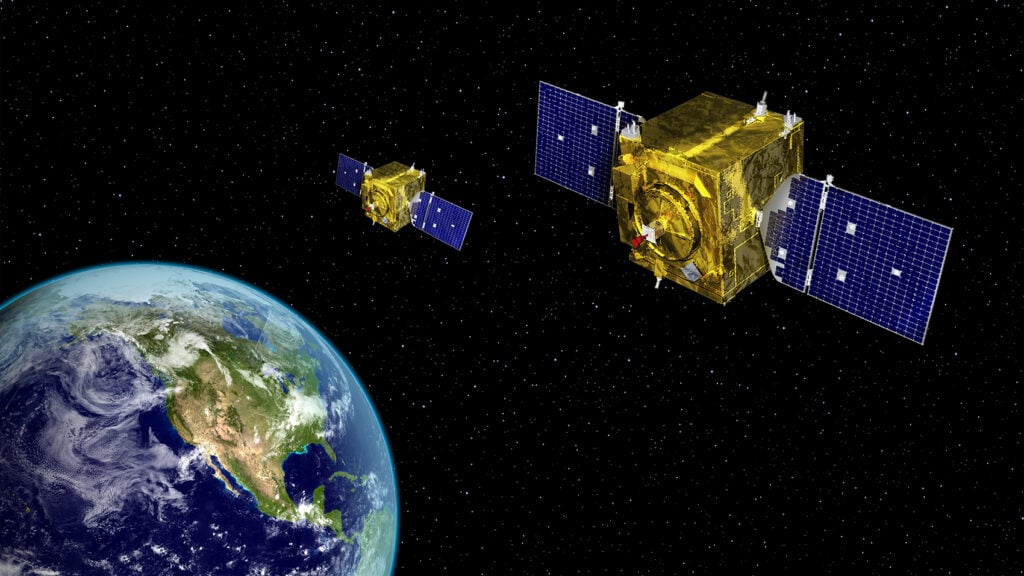
The Defense Innovation Unit (DIU) has announced its GHOST-R initiative aimed at deploying commercially developed high-resolution imagery satellites for military surveillance purposes. This program seeks to have operational satellites in orbit within a two-year timeframe, potentially providing the U.S. military with advanced real-time reconnaissance capabilities that can significantly impact operational planning and execution. The DIU's focus on leveraging commercial satellite technology underscores a strategic pivot towards innovation and efficiency in military operations.
The GHOST-R program emerges in a geopolitical climate marked by increasing tensions and competition in various theaters, notably in the Indo-Pacific and Eastern Europe. By enhancing surveillance capabilities through commercial partnerships, the U.S. aims to maintain strategic advantage over adversaries who are rapidly expanding their own reconnaissance and military capabilities. This approach may position the U.S. to counter threats more effectively while also streamlining costs associated with developing proprietary military satellite systems.
Key players in this initiative include the U.S. Department of Defense, various commercial satellite companies, and other defense contractors specializing in satellite imagery and data analysis. The DIU is motivated by the need for rapid innovation in technology and a more agile military framework. Collaboration with commercial entities allows for quicker development cycles and potentially lower costs, while promoting a competitive market that could yield advanced imaging technologies.
The global implications of this move cannot be overstated. Increased reliance on commercial satellite systems may lead to faster deployment of capabilities that support military operations worldwide. Other nations, witnessing the U.S. pivot towards commercial satellite solutions, may also accelerate their own military satellite programs, thereby intensifying the satellite arms race. Nations such as China and Russia have been keen on developing their surveillance capabilities, and this shift may compel them to respond by enhancing their own reconnaissance assets.
Historically, the integration of commercial technologies in military applications has seen varying degrees of success. Programs that encouraged public-private partnerships have led to significant advancements in areas like drone technology and cybersecurity. The success of GHOST-R could set a precedent for future DOD initiatives, reshaping the landscape of military logistics and intelligence gathering.
Analyst assessment indicates that if GHOST-R is successfully implemented, it could herald a new era of integrated military and commercial satellite operations, enhancing the U.S. military's situational awareness globally. However, challenges remain, including ensuring the security and reliability of commercial systems against potential adversary countermeasures. Stakeholders must also be vigilant about the potential for these technologies to proliferate to hostile entities, necessitating robust oversight and management frameworks.