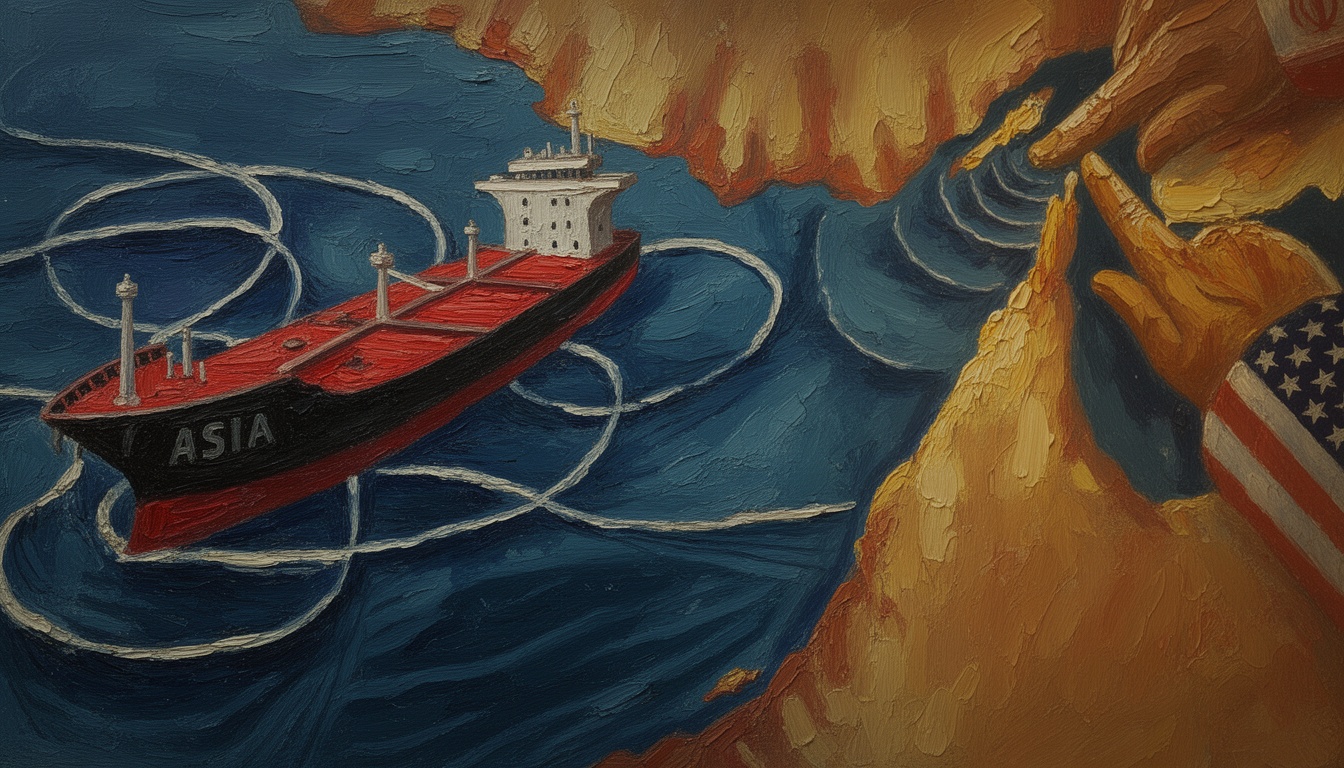
The core development is blunt: the Pentagon and allied logistics planners are directing a large jet fuel cargo from Cherry Point/Blaine, Washington, to Subic Bay, Philippines, via an unconventional Pacific itinerary. A formal offer to transport 235,000 barrels of jet fuel was circulated, indicating deliberate use of nonstandard routings to sustain U.S. and partner operations. The move comes as the Hormuz closure constrains crude and product flows, pressuring bases and fleets across the Indo-Pacific to maintain high readiness with limited certainty about supply chains.
Background context centers on a growing strategic shock to maritime oil transit routes. Iran’s actions surrounding Hormuz have amplified volatility in regional energy markets and raised the threat of further sanctions or countermeasures that disrupt tanker traffic. The United States has repeatedly stressed the importance of maintaining uninterrupted access to fuel for forward-deployed forces and regional allies. In this environment, atypical cargo movements become a routine tool of deterrence and sustainment in the absence of a reliable open market.
Strategic significance lies in the signal to adversaries and partners alike. The use of alternate Pacific conveyances demonstrates a willingness to fracture conventional basing and supply chains to keep air and naval operations in a high-state of readiness. It also tests alliance resilience, since partners in the Western Pacific rely on predictable support through shared logistics hubs and access to U.S. fuel stocks. The broader implication is that energy security has become a central element of strategic signaling and deterrence in the Indo-Pacific theater.
Technical and operational details reveal the scale and complexity of the maneuver. The destination, Subic Bay, is a long-standing logistical hub for U.S. naval activities in the region, offering port loading, fuel handling, and quick-access overwater transit links to carrier strike groups and dispersed air wings. The source’s Cherry Point/Blaine corridor involves a refinery tie-in—BP operates a key facility in the region—that enables the pooling of domestic jet fuel into international supply streams. The monetary and contractual mechanics likely hinge on interagency coordination with defense logistics agencies and commercial partners facing premium rates and longer transit times under constrained routes.
Likely consequences and forward assessment point toward a more diversified energy posture for the alliance. We should expect continued use of nonstandard shipping corridors and pre-positioned fuel stocks to cushion potential shocks from Hormuz or allied chokepoints. This trend may accelerate investments in regional energy resilience, including additional peacetime pre-stocking, more robust fuel pipeline infrastructure, and closer coordination with partner navies to secure alternative port access. In the near term, higher transport costs, longer lead times, and greater exposure to weather, piracy, or port disruption will shape operating tempo and readiness calculations for forward-deployed units.