
IRIS Shahid Bagheri Drone Carrier
Iran's first purpose-modified drone carrier vessel, converted from a container ship to operate as a mobile base for unmanned aerial and surface systems. The Shahid Bagheri (named after the "father of Iranian missiles" Hassan Tehrani Moghaddam) displaces approximately 4,000-5,000 tonnes with helicopter deck, drone launch and recovery facilities, command and control centre, and maintenance workshops. Capable of deploying Mohajer, Shahed, and Ababil-series UAVs for intelligence, surveillance, reconnaissance, and strike missions at extended ranges from Iranian shores. The vessel also reportedly carries fast attack craft and unmanned surface vessels (USVs) for swarm attacks against enemy naval vessels. Commissioned in 2023-2024, the Shahid Bagheri represents Iran's asymmetric naval strategy — using low-cost unmanned systems to counter superior conventional naval forces. The ship extends Iran's operational reach beyond the Persian Gulf into the Arabian Sea, Red Sea, and potentially the Mediterranean through deployment to Syrian ports. The drone carrier concept provides persistent surveillance and strike capability without exposing high-value manned platforms.

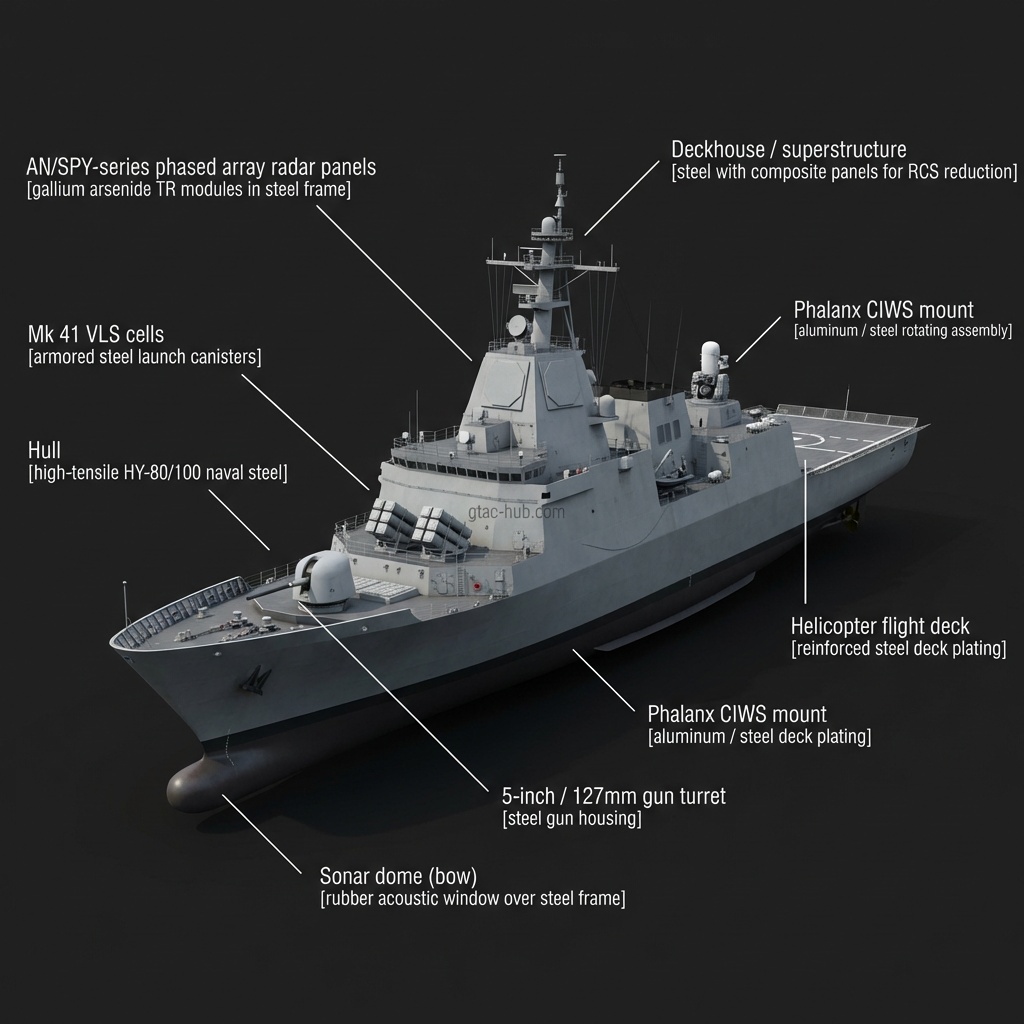
- Unique asymmetric concept; extends UAV operational range into open ocean
- Low-cost conversion from commercial hull; easily replaceable
- Provides persistent maritime ISR over Strait of Hormuz and Arabian Sea
- Difficult to classify as a warship; creates gray-zone ambiguity
- Converted cargo ship with no armor, damage control, or self-defense systems
- Extremely vulnerable to any conventional naval attack
- Limited drone recovery capability in rough seas
- More of a political signaling tool than a genuine force multiplier
Sign in to join the discussion and rate this weapon system
SIGN INMain gun accuracy at extended range requires stabilization and fire control maturity that few systems achieve.
The powerplant choice gives logistics planners flexibility in contested fuel environments.