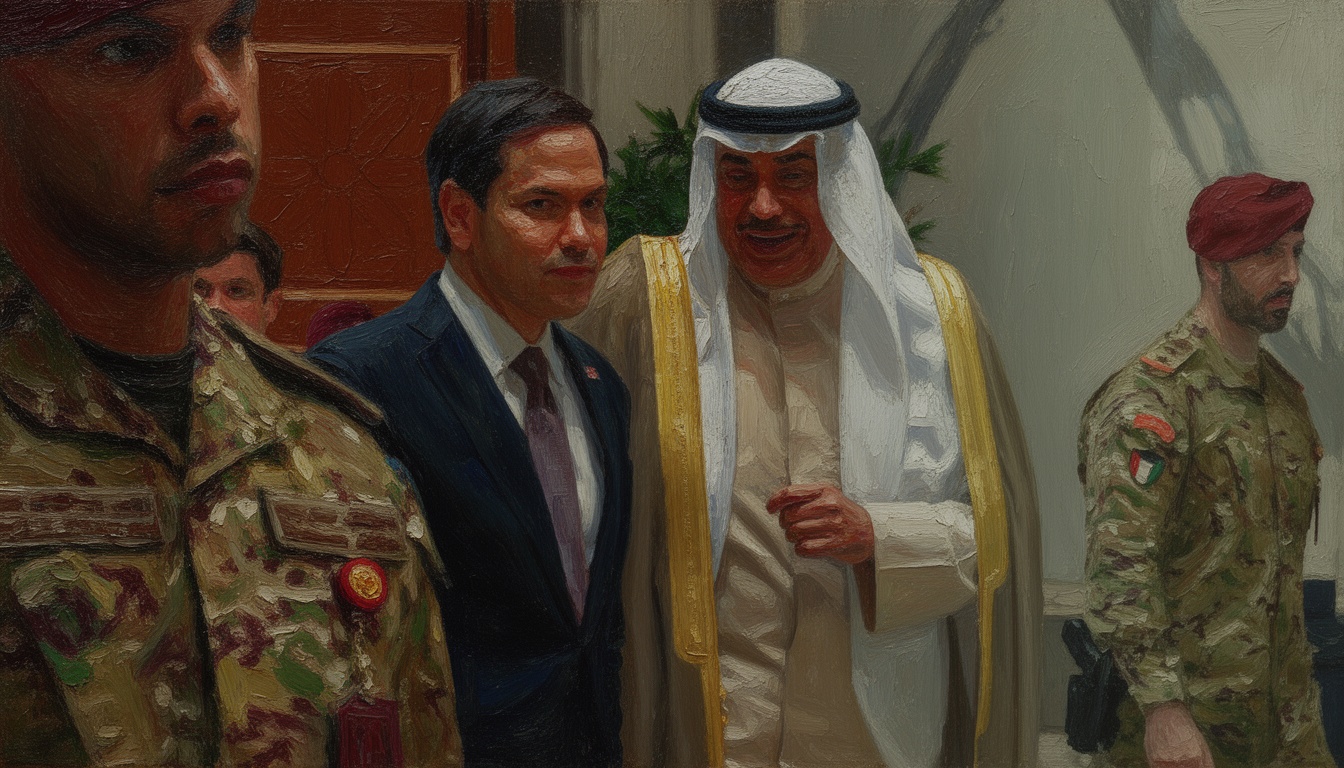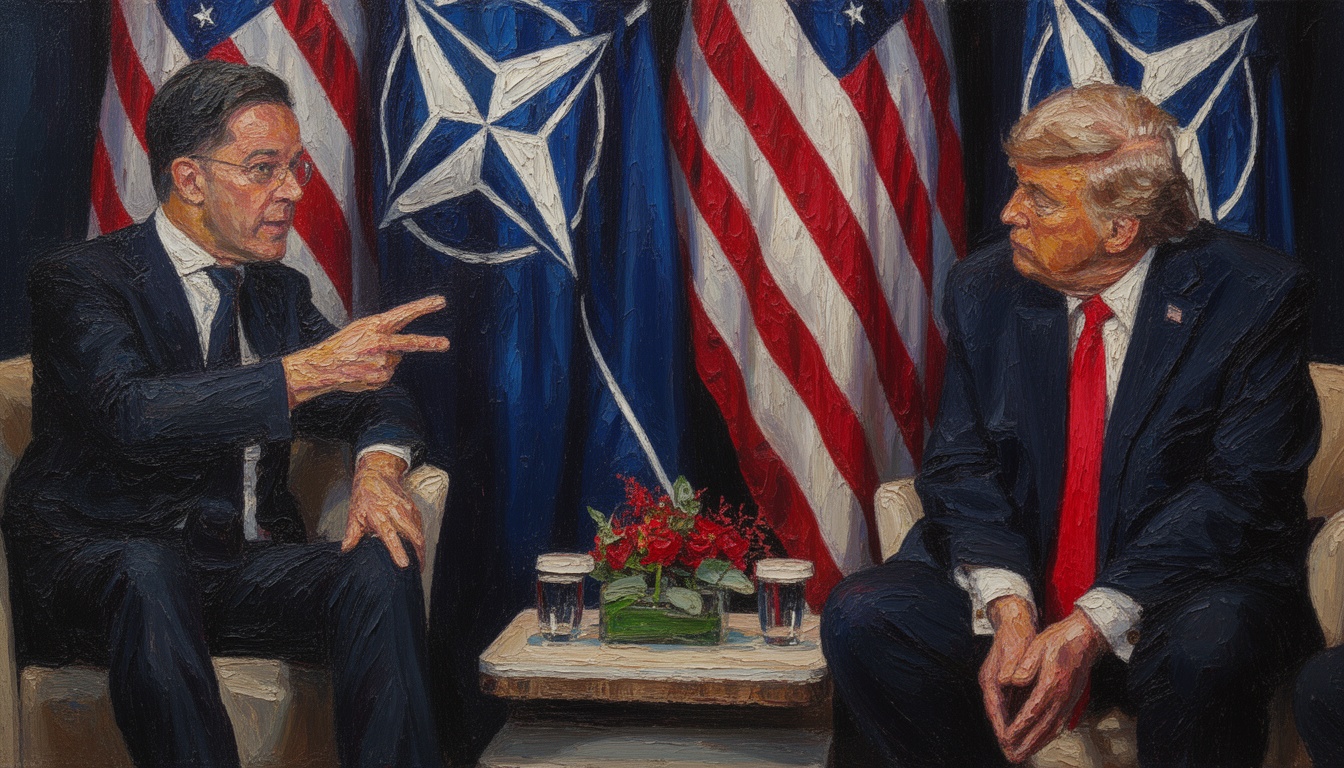
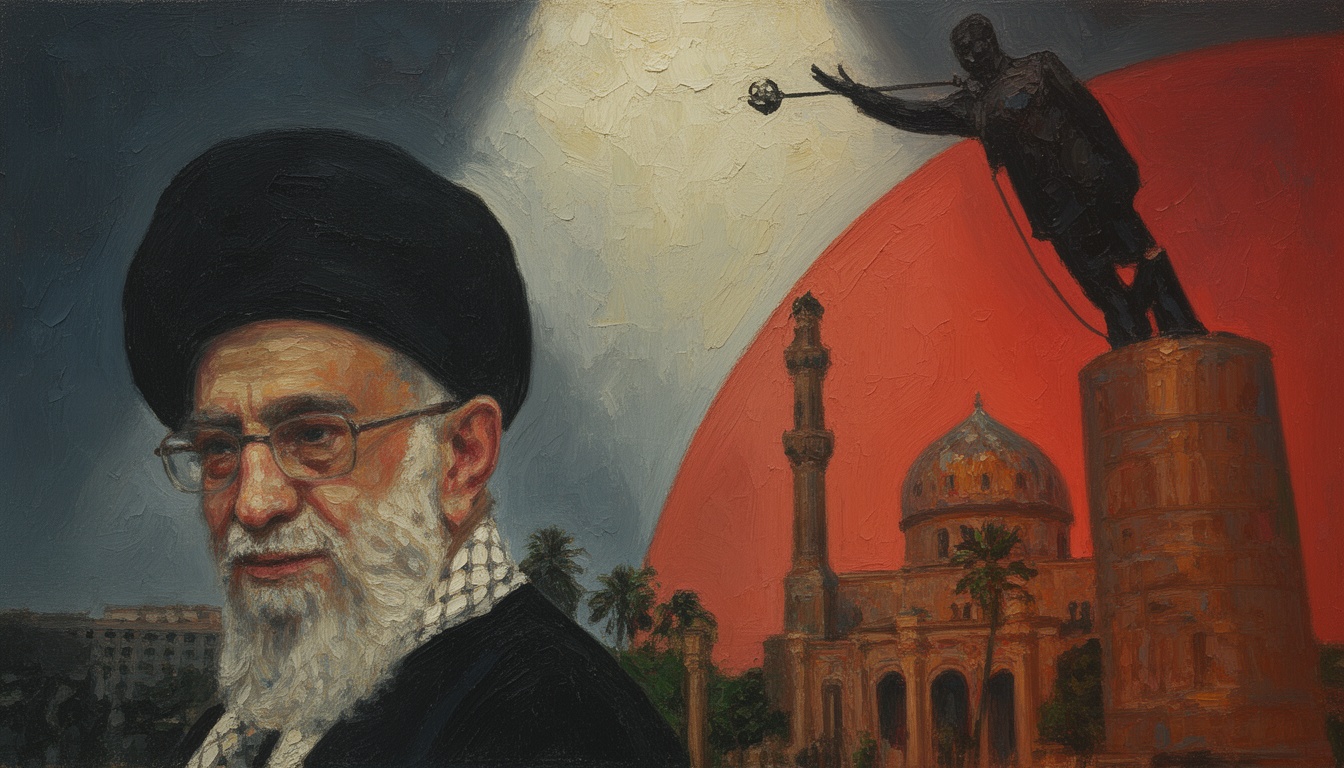
The specter of the 2003 Iraq invasion looms large over the escalating conflict with Iran, as tensions rise alarmingly following recent provocations by Iranian forces. In a critical incident, a US drone strike in Iraq has eliminated a high-ranking Iranian official linked to militia attacks, prompting Tehran to threaten retaliation that could easily spiral into a larger war in the region. This dangerous move reflects deep-seated animosities that have only intensified since the chaotic aftermath of the Iraq War.
The US-led invasion of Iraq in 2003 toppled Saddam Hussein but unleashed a nightmare scenario of sectarian violence and power struggles, allowing Iranian influence to grow significantly. Since then, Iran has methodically expanded its reach through proxy militias across Iraq, Syria, and Lebanon, effectively altering the balance of power in the Middle East. The 2003 claims of a quick victory and democratic transformation now stand in stark contrast to the protracted crises that characterize the region today.
Strategically, the current state of affairs is perilous, as the ongoing chaos invites unwanted intervention from major power players, including the US, Russia, and various Gulf states. This crisis not only threatens to destabilize Iraq further, where sectarian groups may clash violently but could also extend Iranian influence into neighboring territories, degrading US and allied interests across the region. The risk of miscalculations leading to open conflict is significantly heightened by the historical baggage of the previous military engagements.
Key players in this ongoing crisis are driven by conflicting interests that complicate the geopolitical landscape. Iran seeks to consolidate its power by exploiting the US's focus on other global priorities, while the US grapples with setbacks in containment strategies after years of costly military involvement. Meanwhile, Iraqi leaders, caught between their Iranian allies and demands for US military support, find themselves in an increasingly precarious position.
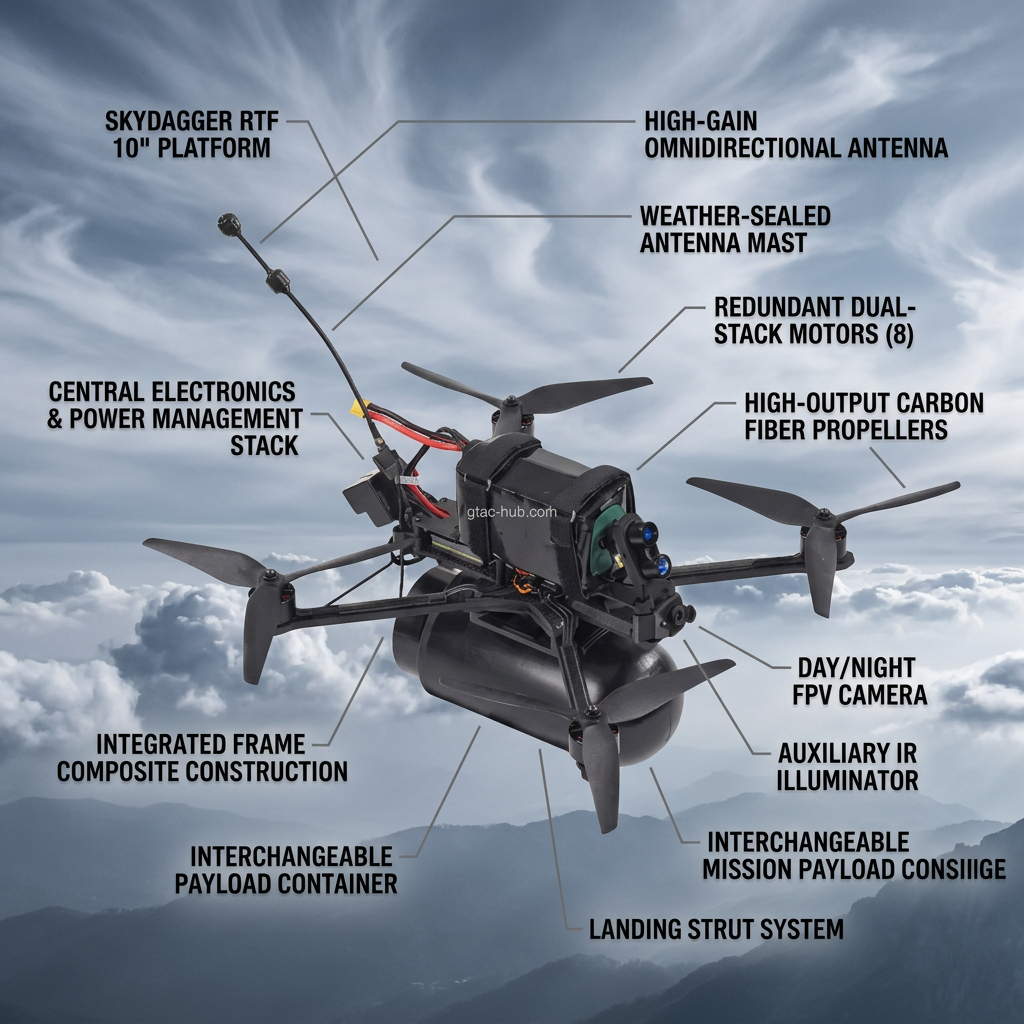
The operational environment is fraught with uncertainty. The recent drone strike, likely conducted by advanced MQ-9 Reaper UAVs, showcases the US's increased willingness to execute precision strikes against Iranian proxies. Such actions are indicative of a broader military posture, with the Pentagon requesting an additional $5 billion in defense budgets to bolster forces in the region, which could include troop deployments and enhanced anti-air capabilities.
This escalation carries potential for dire consequences, with a full-scale conflict looming on the horizon. Iran's threats of reprisals could push US forces to respond decisively, thus igniting a cycle of violence that engulfs Iraq and the neighboring regions. Moreover, any substantial Iranian retaliation could lead to closed maritime routes in the Strait of Hormuz, vital for oil exports, thus impacting global energy markets.
Historically, the Iraq War's aftermath serves as a cautionary tale. The power vacuum left by the US's rapid withdrawal post-invasion not only destabilized Iraq but also led to the birth of ISIS, reflecting the peril of misjudging regional complexities. Echoes of this failed intervention resonate today, as old tensions resurface in an increasingly volatile environment.
In the near term, observers should focus on Iran's military maneuvers and any aggressive posturing by US forces in response. The potential for rapid escalation underscores the urgent need for vigilance in monitoring troop deployments, missile test reports, and emerging alliances within the region. Intelligence on Iranian militia activity within Iraq and their objectives is crucial to anticipate the next potential flashpoints in this brewing conflict.