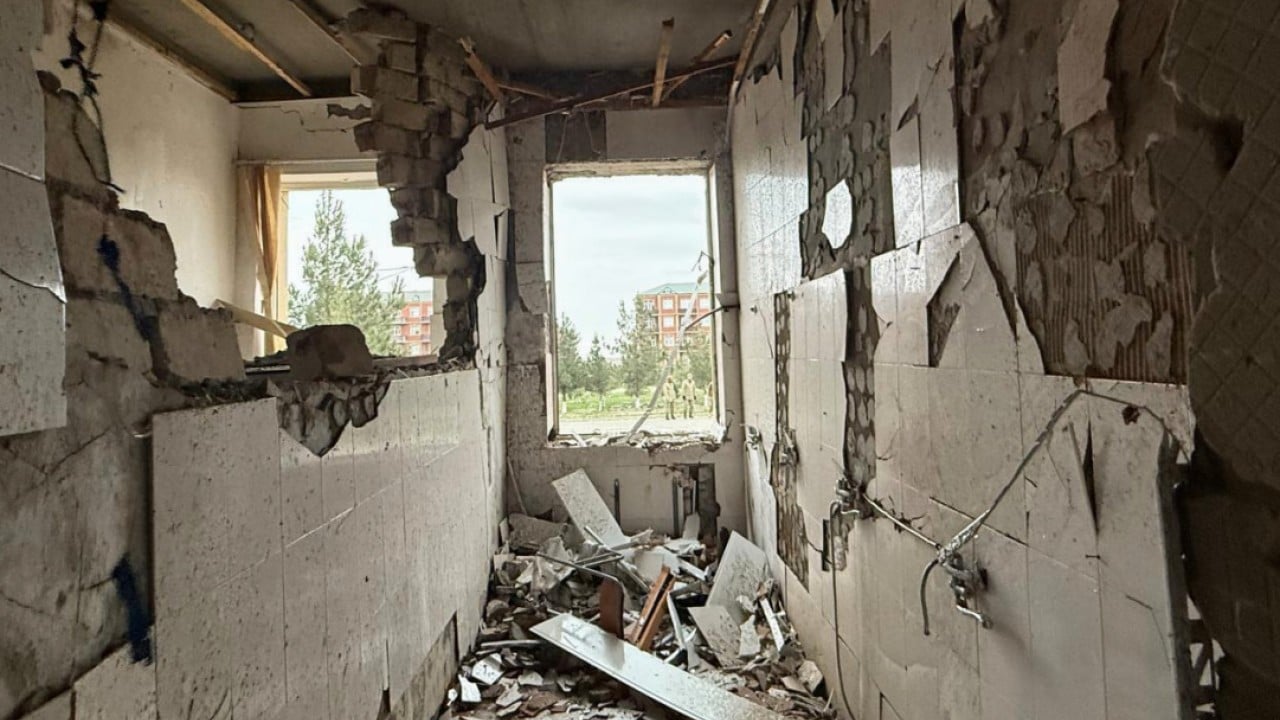
Azerbaijan's Defense Ministry announced a potential military response after Iranian drones violated its airspace and injured four civilians in the Nakhchivan exclave. The drones reportedly transgressed the border, triggering immediate security concerns for a region already fraught with geopolitical tensions. This aggressive act positions Iran in direct confrontation with Azerbaijan, escalating an already volatile dynamic in the South Caucasus.
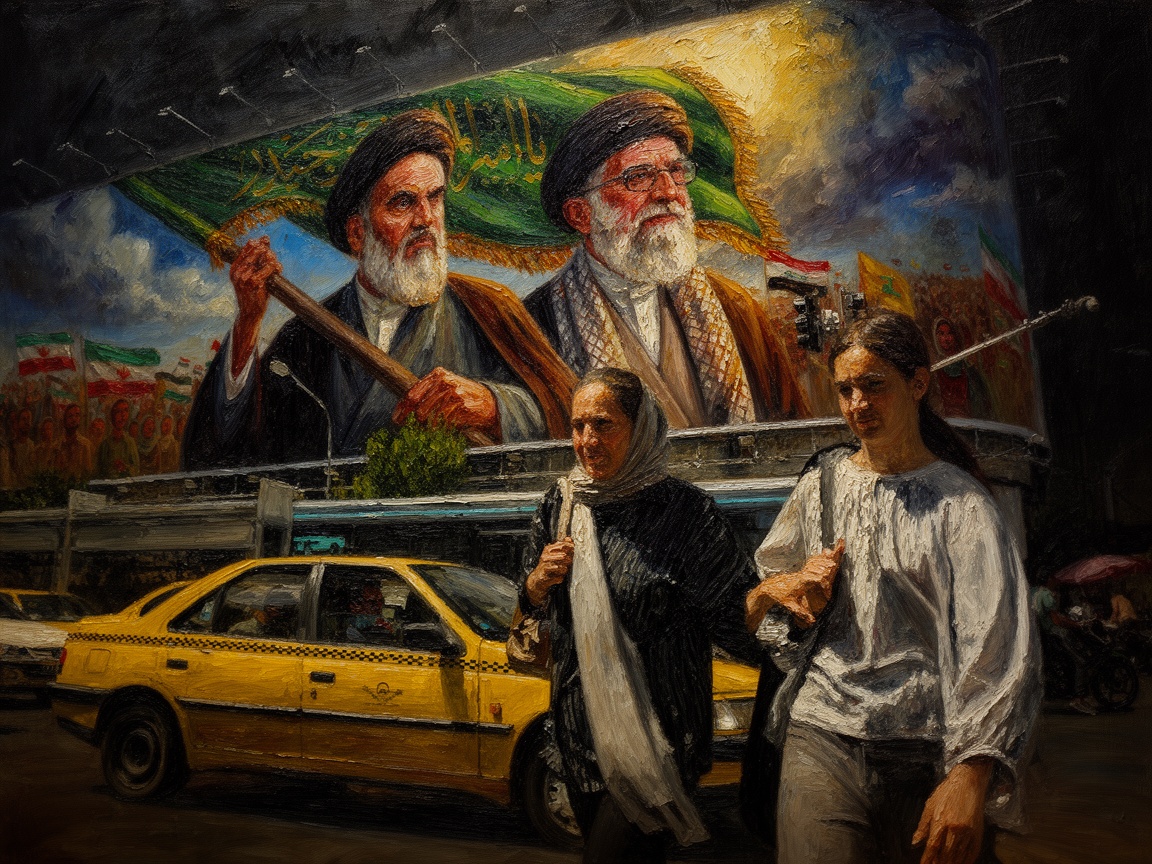
The historical context of this incident is critical, as Azerbaijan's relations with Iran have been tumultuous for decades. Tensions escalated recently due to Azerbaijan's strategic partnerships with Israel and Turkey, perceived by Iran as a threat to its territorial integrity and regional influence. As both nations grapple with internal and external pressures, skirmishes like this one threaten to destabilize an already delicate balance, drawing in external powers and complicating local alliances.
This incident holds significant implications for regional security. The breach not only raises the specter of retaliation but also highlights Azerbaijan's increasing military capabilities and readiness to confront its neighbors. As both countries navigate a landscape rife with ethnic and religious tensions, this crisis risks spiraling out of control, potentially involving regional players like Armenia, which has historically clashed with Azerbaijan over disputed territories.
Key actors in this situation include the Azerbaijani government, determined to assert its sovereignty and reinforce its defense posture, and the Iranian regime, which may see its actions as necessary to counter perceived encroachment by Azerbaijan’s military alliances. The Iranian government’s motivations seem rooted in a desire to maintain influence over the South Caucasus, where it views Azerbaijan's cooperation with Israel—particularly in defense technology—as a direct challenge.
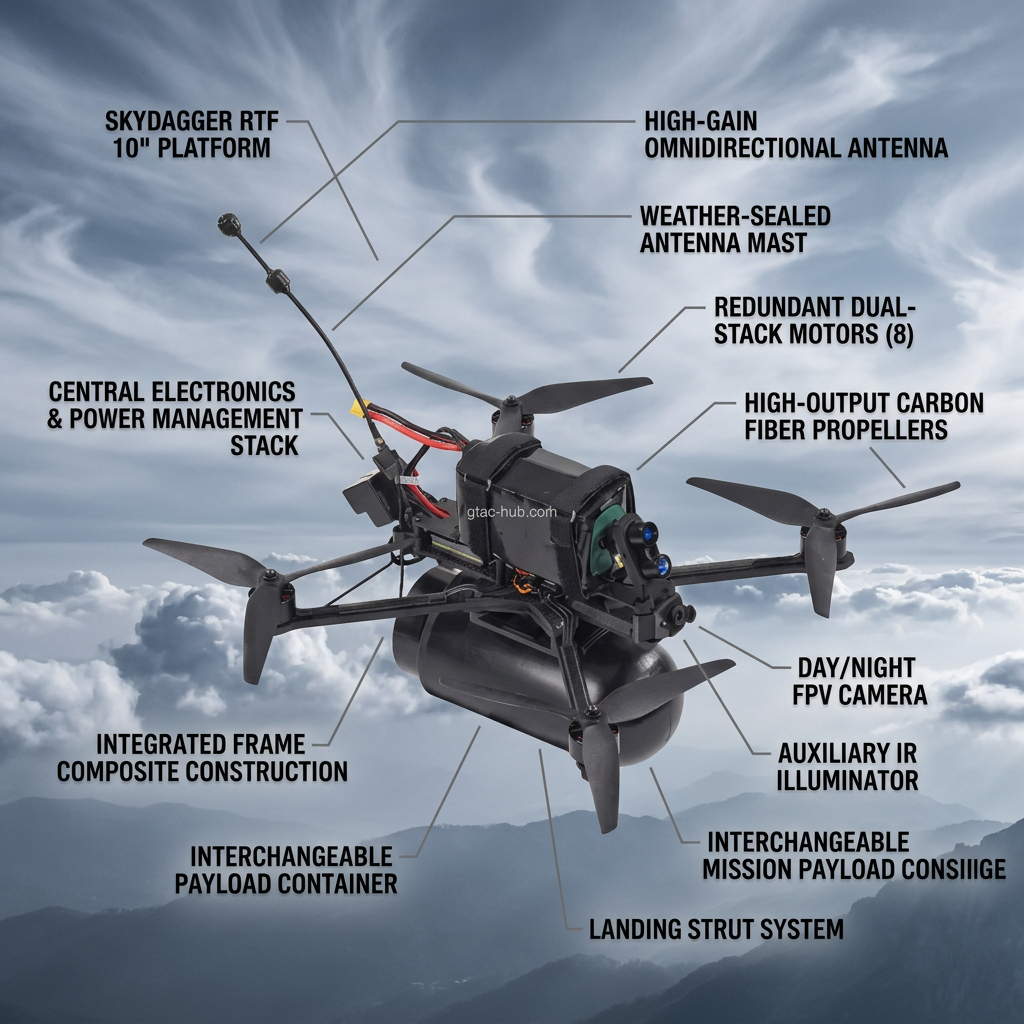
On a technical level, the incident involves advanced drone technology, which underscores a troubling trend of unmanned systems being employed in asymmetric conflicts. Reports indicate that these Iranian drones could be of the Shahed-136 type, known for their precision and lethality. Azerbaijan's investigation into the types of drones used will likely determine its subsequent military posture and preparedness, which could involve air defenses and counter-drone measures.
The likely consequences of this engagement include increased militarization along the Azerbaijan-Iran border and potential military maneuvers by both nations. Azerbaijan's vow of a decisive response could lead to targeted strikes against Iranian military assets, further escalating tensions. The situation holds a precarious potential for broader conflict, especially if either side miscalculates or if any external power intervenes under the guise of support.
Historically, incidents like this have often led to greater military engagements. The 2016 clashes between Azerbaijan and Armenia over Nagorno-Karabakh serve as a parallel, highlighting how localized tensions can spiral into larger military confrontations. The evolving Iran-Azerbaijan situation jeopardizes peace in the region, as historical grievances intertwine with current geopolitical maneuvers.
Moving forward, analysts should observe Azerbaijan's military readiness and the Iranian response to any retaliatory actions. Key indicators to watch include increased military activity along the border, public rhetoric from both nations, and potential third-party engagements, including actions from Russia or Turkey. This incident represents a clear flashpoint that could reshape the security landscape in the South Caucasus.