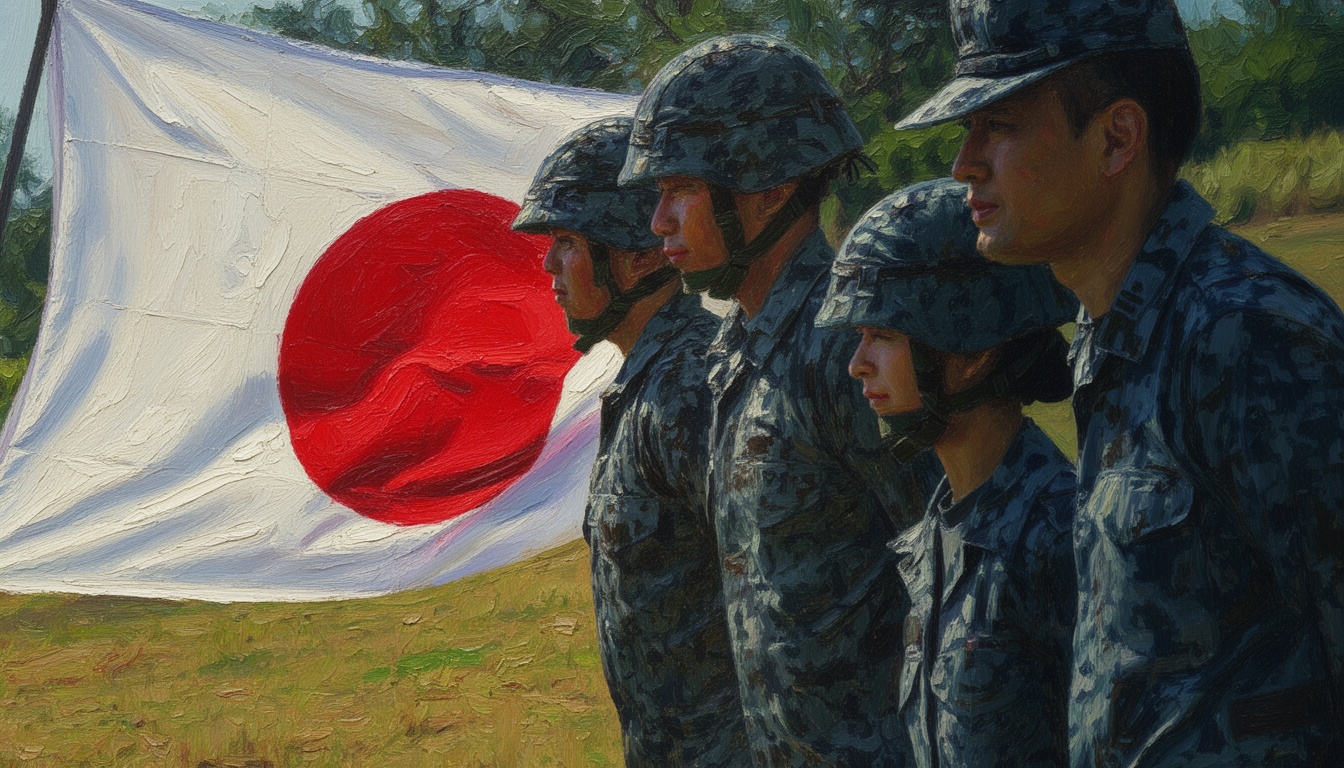
Japanese Prime Minister Sanae Takaichi has initiated a significant overhaul of the country's security policies, focusing on strengthening military capabilities in response to regional threats, notably from China. This move reflects a critical juncture in Japan's defense posture, as the government seeks to adapt to a rapidly changing geopolitical landscape.
Historically, Japan's defense policies have been shaped by pacifist principles post-World War II; however, increasing tensions with neighboring China and North Korea have prompted a reevaluation of this stance. Takaichi's emphasis on military enhancement is supported by ongoing debates within Japan about its role on the international stage, especially concerning collective security arrangements and regional partnerships.
The strategic significance of this policy shift cannot be understated. A more aggressive military approach from Japan could alter the security dynamics in East Asia. Such moves might escalate tensions with China, which has been increasingly assertive in its territorial claims and military activities in the region. Japan's enhanced military posture is also likely to impact its relationships with allies, particularly the United States, which has long encouraged Tokyo to take a more proactive role in regional security.
Operationally, the transition towards a more assertive defense strategy may involve expanding Japan's Self-Defense Forces' capabilities, increasing defense budgets, and potentially revisiting constitutional restrictions on military actions. Discussions around acquiring advanced military technologies, including missile defense systems and cyber capabilities, are expected to gain momentum as Japan seeks to enhance its deterrent capabilities.
The consequences of this shift in policy are profound. If Japan pursues a more aggressive military strategy, it may provoke responses from Beijing and Pyongyang, leading to an arms race in the region. Additionally, this approach could reshape Japan's defense relationships, prompting greater military cooperation with partners like the US, Australia, and India, thereby redefining the balance of power in the Asia-Pacific region. The international community will closely monitor these developments as Japan navigates its evolving security landscape.