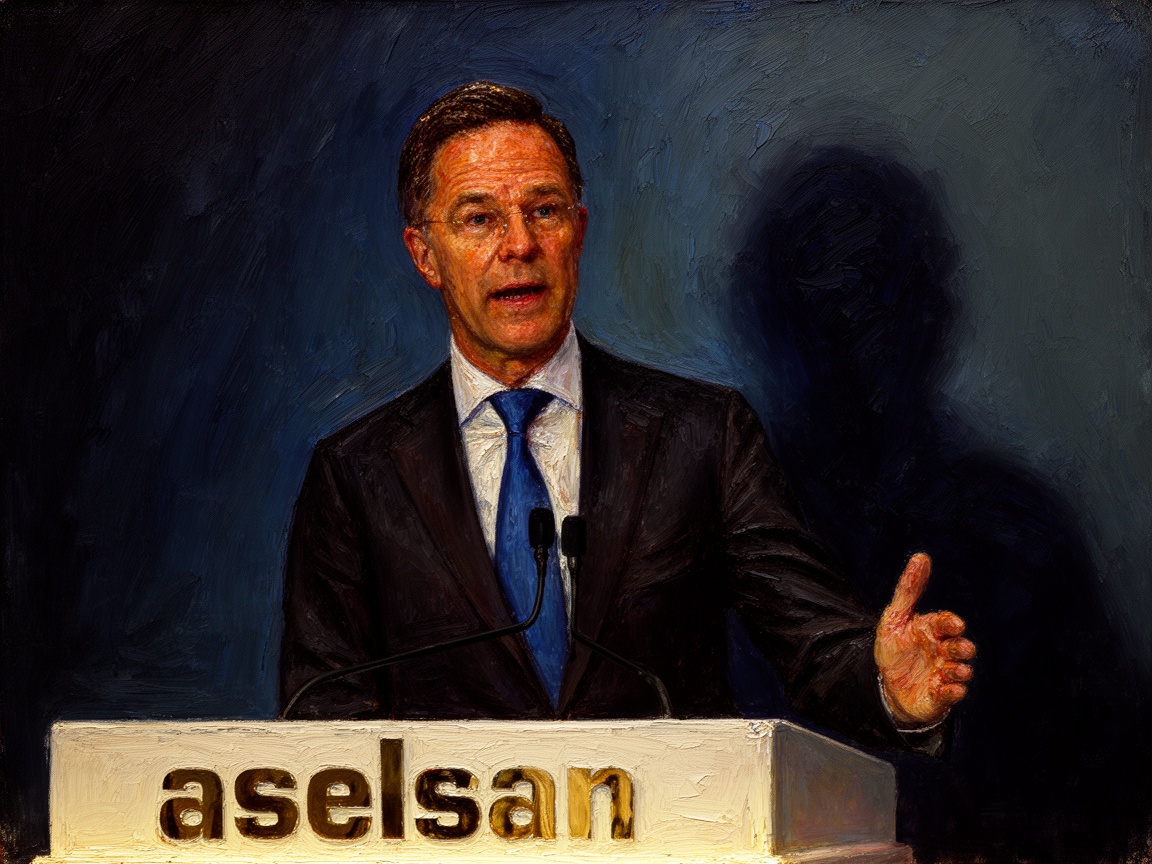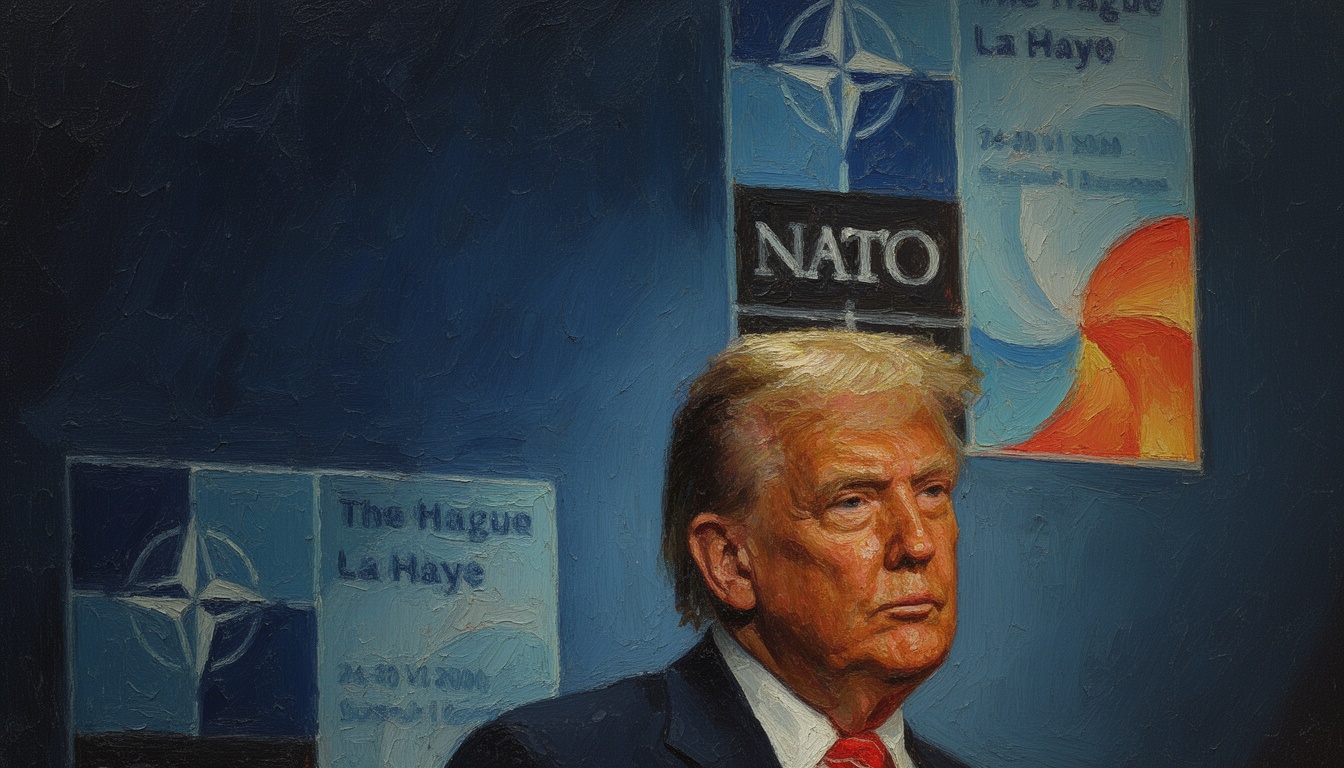
NATO is weighing a dramatic change to its traditional cadence by considering the termination of its long-standing practice of holding annual summits. The discussions reflect a broader effort to reduce friction with the United States during a period of high political volatility surrounding that country’s leadership. The potential shift would reframe how alliance decisions are coalesced and communicated to both member states and external partners. The question at hand is not merely procedural but strategic: what institutional form can sustain cohesion when the United States signals dissatisfaction with member commitments?
Historically, the alliance has used annual summits as a high-visibility forum to align political intent, set defense priorities, and reaffirm collective commitments. In recent years, however, the dynamic has grown more complicated. Washington has consistently pressed allies to escalate contributions to shared security burdens, citing criticisms of underfunding and gaps in capabilities. The friction intensified with public rebukes over steps toward Iran-related operations and broader operational support in the Middle East, underscoring a clash over burden sharing and strategic focus.
The strategic significance of this potential pivot lies in its ability to influence deterrence, alliance credibility, and regional stability. If summits are scaled back or restructured, signaling and doctrinal commitments could become more diffuse, potentially slowing consensus on high-stakes issues such as deterrence posture, cyber resilience, and advanced capabilities development. European capitals must weigh short-term political optics against long-term effects on collective defense predictability. The shift would also complicate messaging to rivals and partners about the unity and predictability of Western deterrence./n
Operationally, the possible change could affect how NATO coordinates force generation, defense spending benchmarks, and interoperability programs across 31 member states. It could also alter the cadence of coalition planning with partner organizations and non-member states in key regions. Budget approvals, modernization timelines, and theater access arrangements might move to alternative fora, risking a lull in decisive policy impulses. In the near term, expect intensified internal consultations, with defense ministries test-driving reformulated mechanisms for crisis communication and decision cycles. The balance will pivot on whether the alliance can preserve visible unity while adapting its ceremonial rhythm to a more transactional political environment.
Looking ahead, the most likely consequences include a tighter emphasis on Ministerial-level diplomacy, more frequent but lower-profile working group engagements, and a potential extension of the intervals between flagship summits. This could sharpen the focus on concrete capability milestones and funding commitments rather than showpiece gatherings. If the United States maintains its critical stance on burden sharing, European members may accelerate regional defense investments or seek clarified assurances on burden parity. The overarching question remains: can NATO sustain unified political cohesion and credible deterrence without an annual apex event to crystallize consensus under pressure from a pivotal ally?