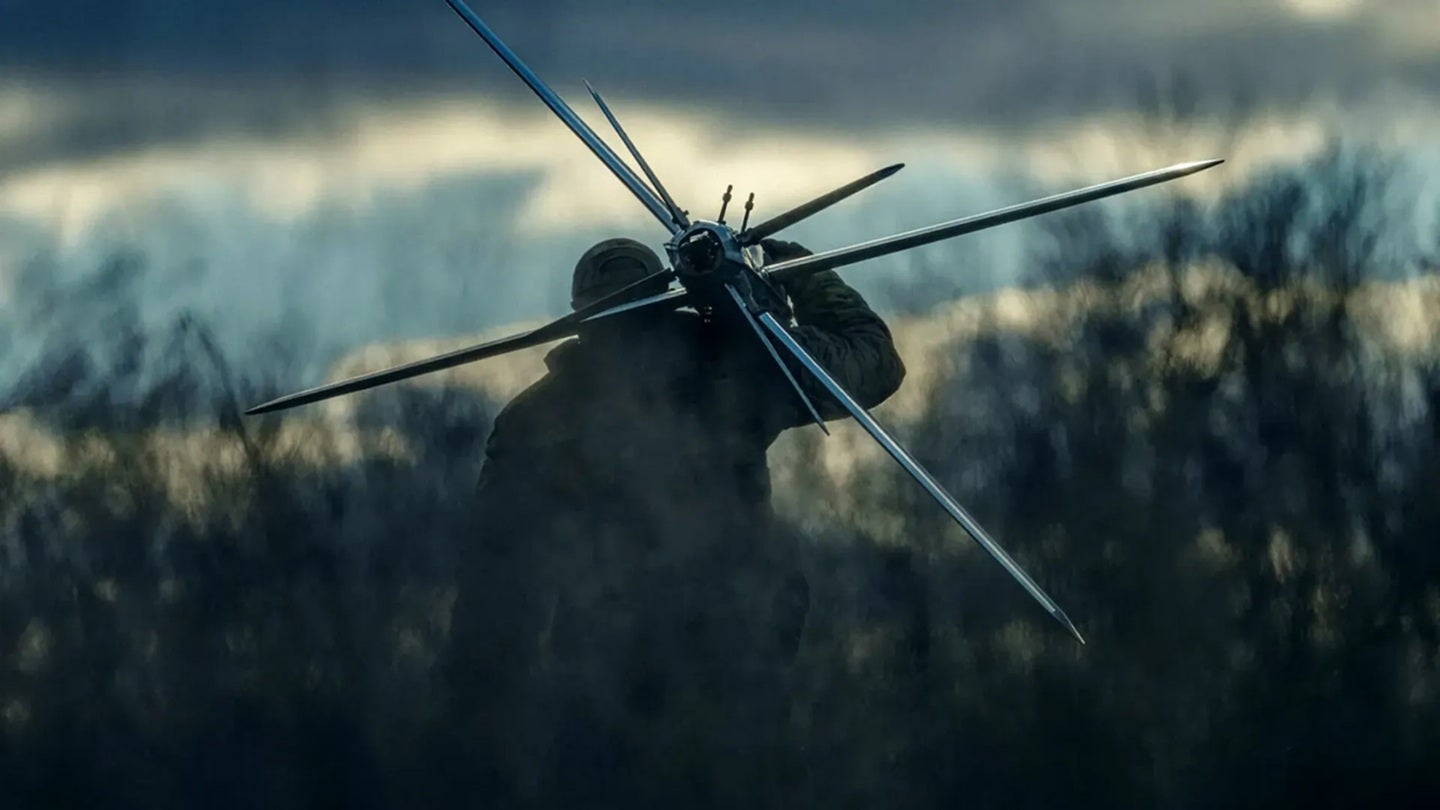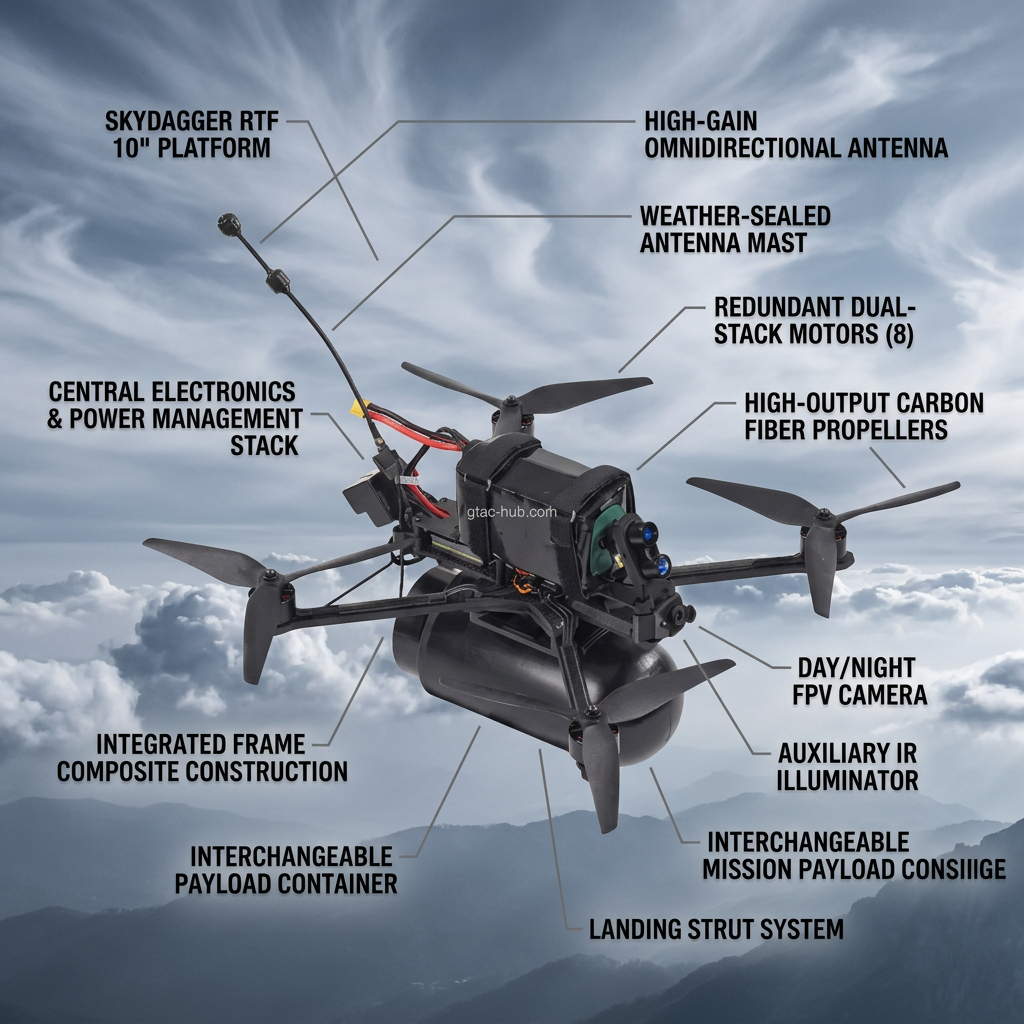

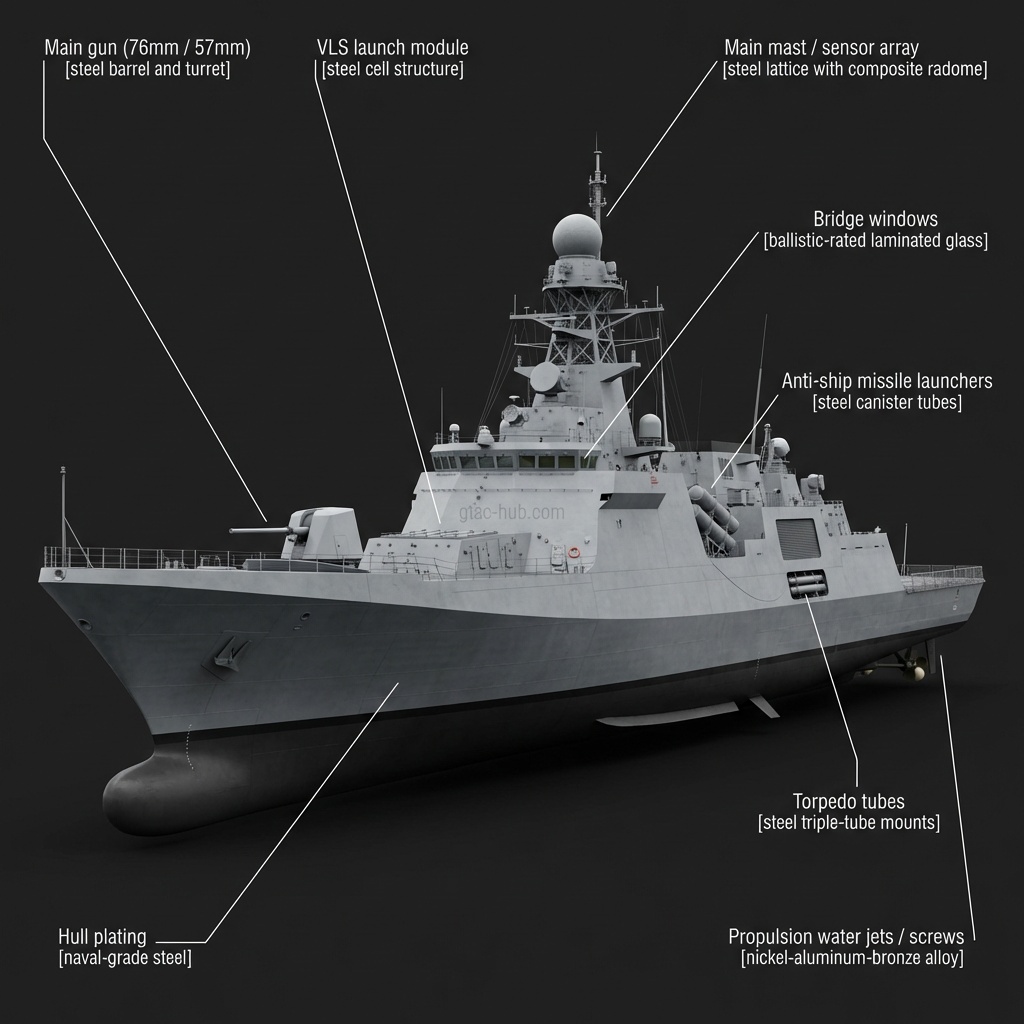
Sweden's military has confirmed it successfully jammed a suspected Russian surveillance drone operating close to the French aircraft carrier Charles de Gaulle during its visit to Malmo on Wednesday. The drone, reportedly of Russian origin, raises serious alarm bells about unauthorized aerial reconnaissance operations in proximity to allied naval forces, potentially compromising operational security and intelligence-gathering efforts.
The incident is emblematic of escalating tensions between Russia and NATO countries, particularly in the post-Ukraine invasion context. Sweden has been increasingly vigilant regarding Russian military activities in the Baltic Sea region, especially with its historical position of military nonalignment being tested following heightened aggressions from Moscow. The choice of a French warship as the target highlights the growing concerns over regional maritime security and the protection of multinational naval assets.
This crisis not only underscores the immediate threats posed by Russian aerial assets to NATO naval operations but also signals potential shifts in strategic power dynamics in the Baltic Sea. The violation of airspace by a suspected Russian drone underscores the vulnerabilities of European defense strategies and the critical need for enhanced regional air surveillance capabilities to counter the Kremlin's aggressive posturing.
Key players involved in this incident include the Swedish military, which has bolstered its surveillance capabilities in response to Russian activities, and NATO allies such as France. The motivations for Russia's actions could be multifaceted, including gathering intelligence on NATO operations and testing the defensive responses of regional powers. By pushing the envelope of airspace violations, Russia seeks to demonstrate its capabilities and fortify its influence in the region.
Details of the drone itself remain sparse, but previous Russian UAVs like the Orlan-10 have been known to operate near enemy forces for reconnaissance. Sweden has previously invested in upgraded radar systems and enhanced naval capabilities, yet this incident raises questions about the adequacy of these measures in protecting critical military assets. The frequency and proximity of suspected incursions could compel Sweden to adopt a more aggressive stance towards airspace violations.
Likely consequences of this incident include increased military readiness among Swedish and NATO forces in the region. Enhanced air patrols may be established, and diplomatic tensions between Russia and Sweden could escalate further. The potential for miscalculation remains high, particularly with increased military-to-military communications needed to avoid unintended engagements or hostile encounters over the issue of aerial reconnaissance.
Historically, this incident parallels previous episodes of Russian naval and air provocations against Western military forces, such as encounters in the Black Sea. Experiences from these incidents serve as a reminder that as military deployments evolve, so too must the strategies employed to counteract state-sponsored provocations aimed at unsettling the balance of regional security.
Moving forward, defense analysts should monitor developments surrounding Sweden's military posture and any subsequent military exercises or deployments in response to this incident. Additionally, intelligence on Russian drone activities and airspace violations must be scrutinized as nations recalibrate defensive frameworks in light of emerging threats in European airspace.