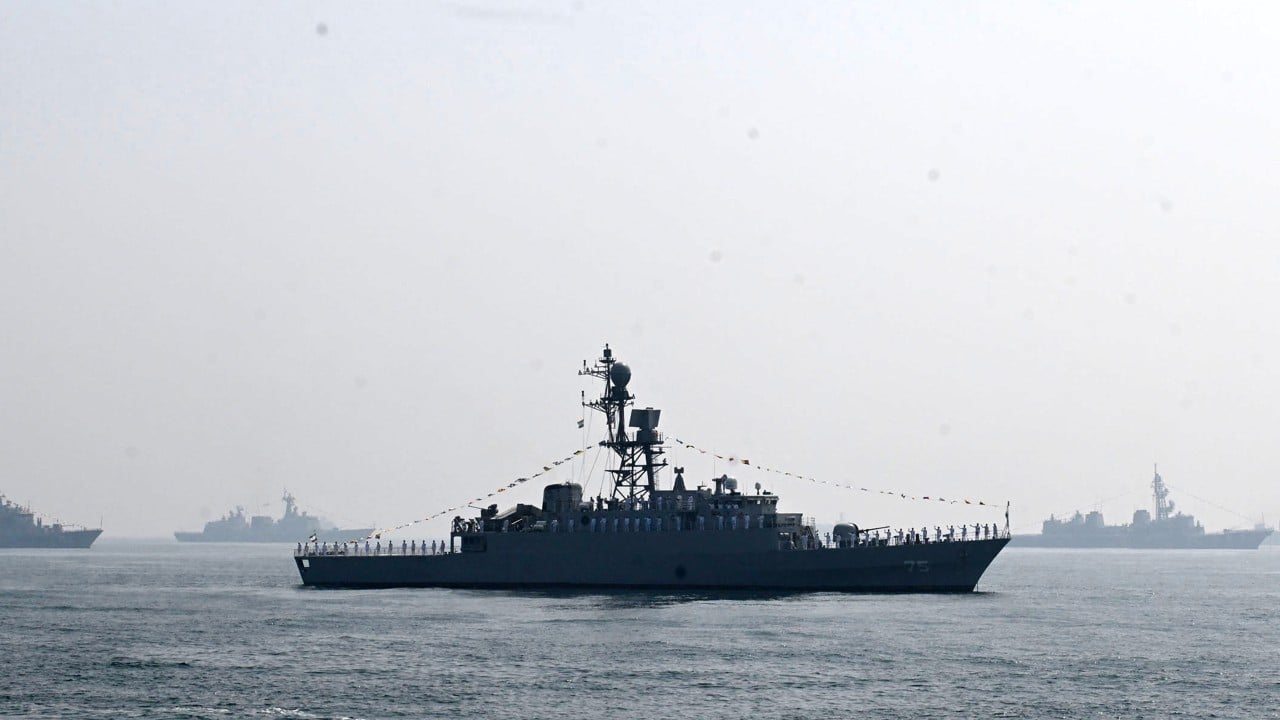

The recent sinking of an Iranian warship by a US submarine off the coast of Sri Lanka represents a serious escalation in regional tensions, directly connecting the Middle East conflict to the strategic waters of the Indian Ocean. This incident underscores the growing volatility that could affect trade routes crucial to South Asia, as analysts warn that the potential for broader conflict is now a stark reality.
Historically, the Indian Ocean has been a nexus of geopolitics, especially as trade routes connecting Asia to the Gulf face increasing threats. The US and Iran have engaged in escalating confrontations over influence in the region, particularly following the US withdrawal from the Iran nuclear deal and Iran's aggressive naval maneuvers in the Gulf. The sinking of the warship, identified as the Iranian frigate Jamaran, by a US Virginia-class submarine has introduced a new layer of complexity to an already volatile area.
This incident is significant as it destabilizes the existing balance of power in the Indian Ocean, potentially inviting retaliation from Iran, which has previously shown that it will protect its maritime interests aggressively. The sinking raises critical strategic vulnerabilities not only for Iran but also for other nations reliant on the shipping routes that connect Asia with Middle Eastern oil reserves. The threat of conflict spilling over into commercial shipping lanes presents substantial risks to regional economies, already fragile due to geopolitical tensions.
Key actors in this scenario include the United States, which is signaling a hardline stance against Iranian military capabilities in regional waters, and Iran, which is expected to respond aggressively to defend its naval assets. India's position is particularly precarious as it grapples with a robust but cautious foreign policy aimed at maintaining neutrality while needing to protect its national interests, especially in light of the increasing US presence in the Indian Ocean.
Operational details surrounding the incident reveal that the US submarine involved is capable of launching Tomahawk cruise missiles with a range exceeding 1,000 kilometers and equipped with sophisticated sonar and stealth capabilities. The destruction of the Jamaran not only symbolizes a direct military engagement but also adds fuel to the Iranian naval escalation narrative, further complicating the strategic landscape.
Consequences of this event could stretch beyond immediate military responses; a further escalation may manifest through Iran conducting asymmetric warfare tactics, such as targeting commercial vessels in the Strait of Hormuz. This incident also raises the likelihood of an increased US naval presence in the region as a deterrent, challenging India's capacity to navigate a burgeoning crisis it is not prepared to address unilaterally.
Historical parallels can be drawn with previous conflicts involving the US and Iran, particularly the Gulf of Tonkin incident, which escalated US involvement in Vietnam. Similar miscalculations today could provoke a wider regional conflict or embolden Iranian naval aggression, deeply impacting international trade and security in the region.
Moving forward, defense analysts and policymakers must closely monitor Iranian naval operations and US military assertiveness in the region. Intelligence agencies should focus on identifying any signals of Iranian retaliation and consider the impact of such responses on international maritime security and the potential for a broader confrontation in the Indian Ocean region.